

AN ACT CONCERNING DUAL ENROLLMENT PROGRAMS.
This bill requires Connecticut schools to create flexible eligibility policies for advanced courses like dual enrollment, allowing multiple pathways beyond just academic grades to determine student participation. It also establishes a new coordinator role to track dual enrollment courses and outcomes across the state while developing a model agreement between high schools and colleges for these programs. Additionally, the bill expands a fee-waiver grant program to help high-need students access advanced courses without charging their parents, with funding potentially shifting from local school districts to higher education institutions.
Bill status
signed
all 5 stages cleared
Introduction
Mar 2026
Committee Review
Mar 2026
Senate Passage
Apr 2026
House Passage
May 2026
Signed into Law
May 2026
Introduced Mar 5, 2026
Signed May 20, 2026
Maddy AI version diff · 1 comparison
What changed between versions
Raised Bill
→
HED Joint Favorable Substitute
·
4 edits
MODERATE
The bill was amended to clarify definitions for dual and concurrent enrollment courses and to expand the eligibility for fee-waiver grants to include institutions of higher education. The amendment also adds a specific prohibition preventing higher education institutions from charging parents for courses covered by these grants. Additionally, the coordinator role was updated to track both dual and concurrent enrollment courses.
Scope change
The scope of the fee-waiver grant program was expanded to include institutions of higher education as eligible applicants, whereas the original bill only allowed local or regional boards of education to apply.
DEFINITION
Added a new definition for 'dual enrollment course' and 'concurrent enrollment course' to align with existing state statutes.
ELIGIBILITY
Expanded eligibility for the fee-waiver grant program to allow institutions of higher education to apply for reimbursement, in addition to local and regional boards of education.
REQUIREMENT
Added a requirement that institutions of higher education receiving grants under this program cannot charge parents for the cost of the enrolled advanced courses.
Updated the title of the appointed coordinator role from 'dual enrollment program coordinator' to 'dual and concurrent enrollment course coordinator' to reflect the broader scope of tracked programs.
Floor votes · Senate Apr 29, 2026 · House May 4, 2026
How they voted
36–0
Passed
Total votes 36
Apr 29, 2026
D
Democratic25
100% Yea
R
Republican11
100% Yea
Vote distribution
All Yea
All Nay
Mixed
No data
Full legislative history
Actions timeline
Total actions
19
Key actions
4
Committee
2
May 20, 2026
Signed into law
SIGNED BY GOVERNOR
upper
May 4, 2026
Lower · Passed
HOUSE PASSED
lower
Apr 29, 2026
Upper · Passed
SENATE PASSED
upper
Mar 17, 2026
Upper · Passed
Joint Favorable Substitute
upper
Mar 5, 2026
Committee
REF. TO JOINT COMM. ON Higher Education and Employment Advancement
upper
4 primary · 0 co-sponsors
Sponsors
Role
Legislator
Party
State
District
P

Ken Gucker
DDemocratic/Working Families
P

Seth Bronko
RRepublican
P

Tom Delnicki
RRepublican
P
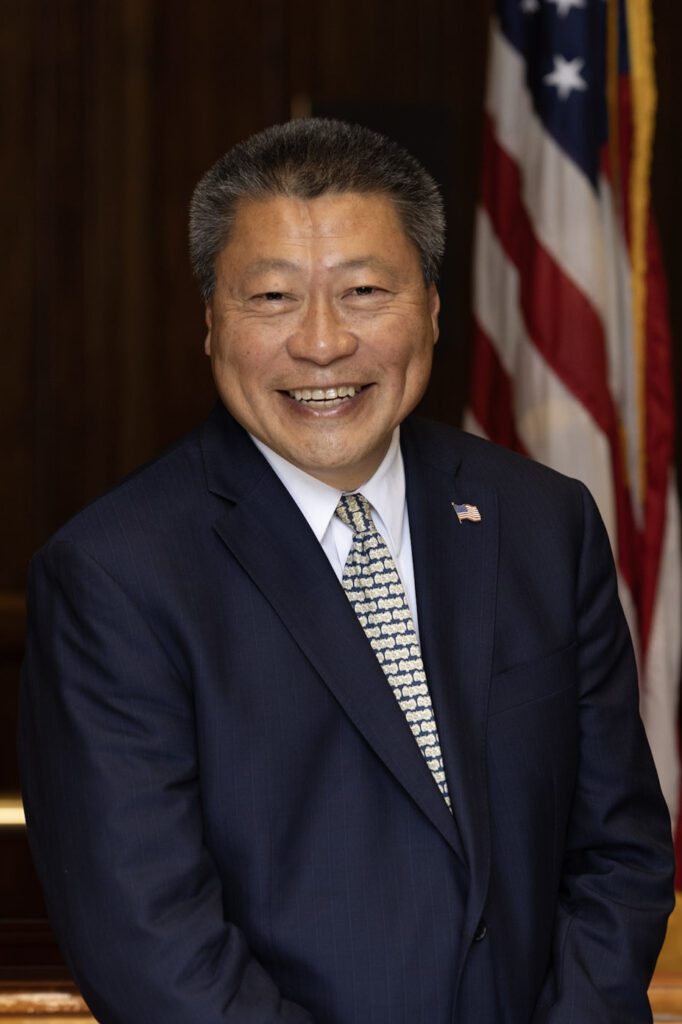
Tony Hwang
RRepublican
Ask Maddy
·
AI policy assistant
Ask Maddy about SB 427
Scope: CT
Hi! I can help you understand SB 427. What would you like to know?
Try one of these
i
Maddy answers using official bill text and legislative records. Always verify before sharing.
Sources cited inline