

Clarify Excessive Public Construction Bond Claim Penalty
Summary
Currently, a contractor on a private construction project has a statutory right to secure payment with a general mechanic's lien. However, if the contractor knowingly files on the lien for an excessive amount, the contractor forfeits all rights to the lien and is liable to the person against whom the lien was filed for costs and attorney fees. A contractor on a public construction project has a similar right to secure payment by filing a verified statement of claim, which requires the project owner to withhold funds sufficient to pay the claim, usually in the form of a bond. The act clarifies that a public construction contractor who knowingly files a verified statement of claim for an excessive amount forfeits all rights pursuant to the verified statement of claim. Thus, the act aligns, for both a private and public construction contractor, the penalty for claiming an excessive amount on a lien or verified statement of claim to the loss of rights related to that lien or verified statement of claim, respectively. The act expressly allows for a private mechanic's lien or public verified statement of claim to include costs otherwise allowed under a contract in the lien or verified statement of claim amount, including costs incurred as a result of delay, lost productivity, or other disruption to the work. The act also clarifies that an award by a court for an amount less than the amount claimed in a lien or verified statement of claim does not render the amount claimed excessive.(Note: This summary applies to this bill as enacted.)
Bill status
signed
all 5 stages cleared
Introduction
Jan 2026
Committee Review
Mar 2026
Senate Passage
Mar 2026
House Passage
Mar 2026
Signed into Law
Apr 2026
Introduced Jan 28, 2026
Signed Apr 6, 2026
Maddy AI version diff · 6 comparisons
What changed between versions
Final Act
→
Signed Act
·
3 edits
·
Apr 6, 2026
MINOR
This bill clarifies the legal penalty for contractors who claim excessive amounts in public construction bond disputes. It ensures that a claim is not considered 'excessive' (and thus not subject to penalties) if a court later awards a lower amount, provided the contractor had a good-faith basis to believe the full amount was due at the time of filing. The changes also standardize the definition of 'amount due' to include disputed or unliquidated costs.
Scope change
The scope of protection for contractors filing claims was expanded to explicitly cover situations where the final court award is less than the claimed amount, provided the claim was made in good faith.
ENFORCEMENT
Modified the definition of an 'excessive claim' to protect contractors from penalties if they reasonably believed their claim was valid at the time of filing, even if a court later awards a smaller amount.
DEFINITION
Updated the definition of 'amount due' to explicitly include amounts that are disputed or unliquidated, ensuring contractors are not penalized for claiming legitimate but unverified costs.
TECHNICAL
Corrected formatting inconsistencies, such as extra spaces and typos, in the statutory text to ensure clarity and uniformity.
Floor votes
How they voted
This bill passed the Senate by voice vote (no roll call recorded).
Full legislative history
Actions timeline
Total actions
15
Key actions
7
Committee
2
Amendments
1
Apr 6, 2026
Signed into law
Governor Signed
executive
Mar 26, 2026
Lower · Passed
Signed by the Speaker of the House
lower
Mar 26, 2026
Upper · Passed
Signed by the President of the Senate
upper
Mar 19, 2026
Introduced
Senate Considered House Amendments - Result was to Concur - Repass
upper
Mar 17, 2026
Lower · Passed
House Third Reading Passed - No Amendments
lower
Mar 10, 2026
Lower · Passed
House Committee on Judiciary Refer Amended to House Committee of the Whole
lower
Feb 18, 2026
Introduced
Introduced In House - Assigned to Judiciary
lower
Feb 17, 2026
Upper · Passed
Senate Third Reading Passed - No Amendments
upper
Feb 9, 2026
Upper · Passed
Senate Committee on Judiciary Refer Unamended - Consent Calendar to Senate Committee of the Whole
upper
Jan 28, 2026
Introduced
Introduced In Senate - Assigned to Judiciary
upper
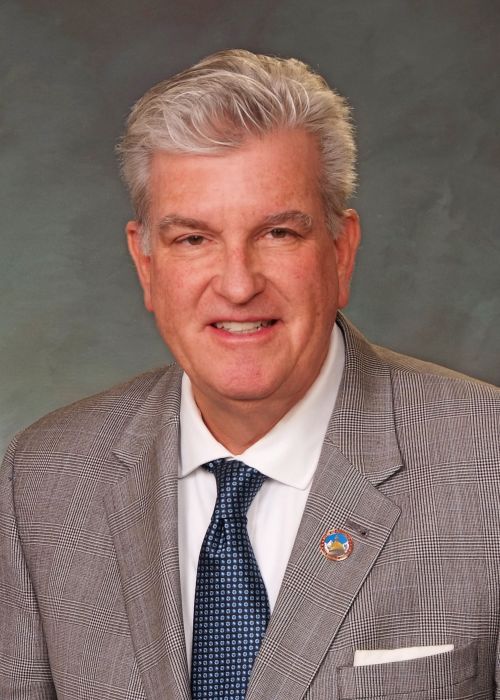
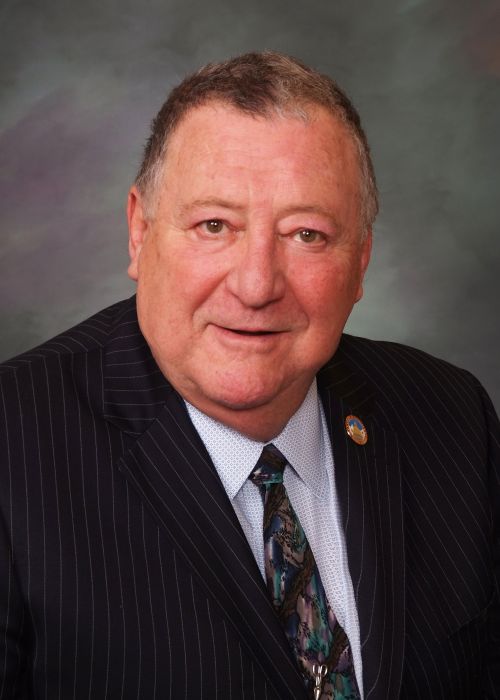
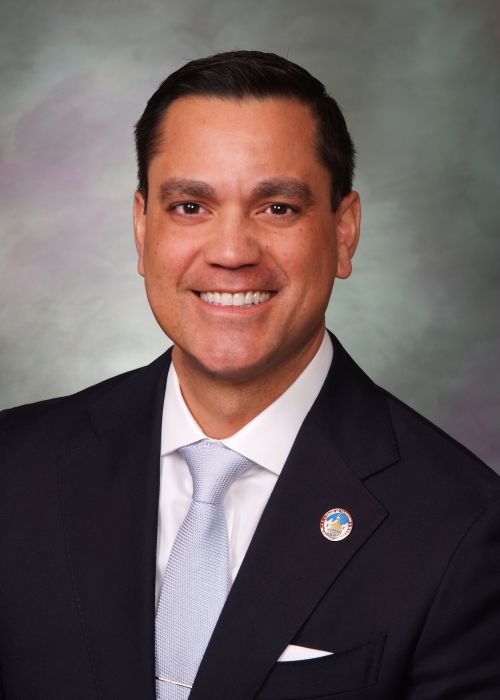
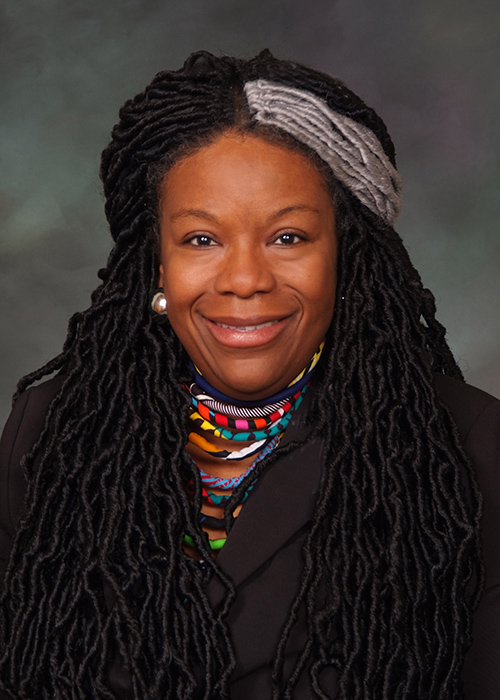
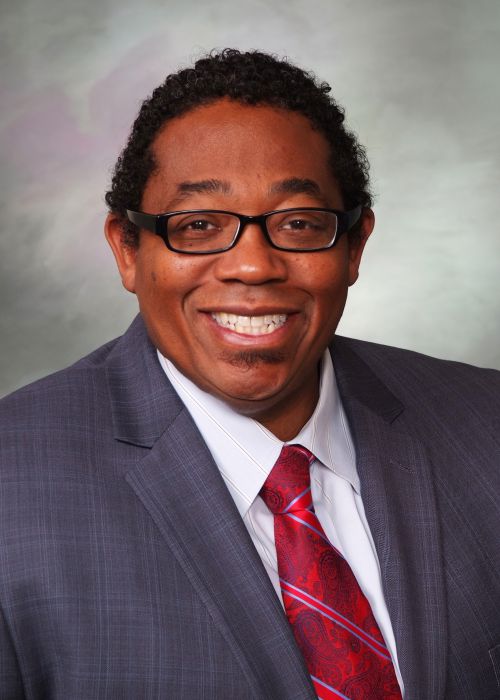
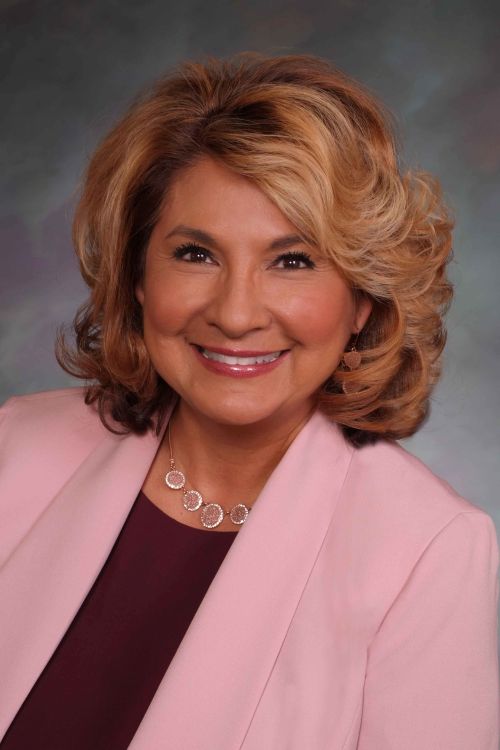
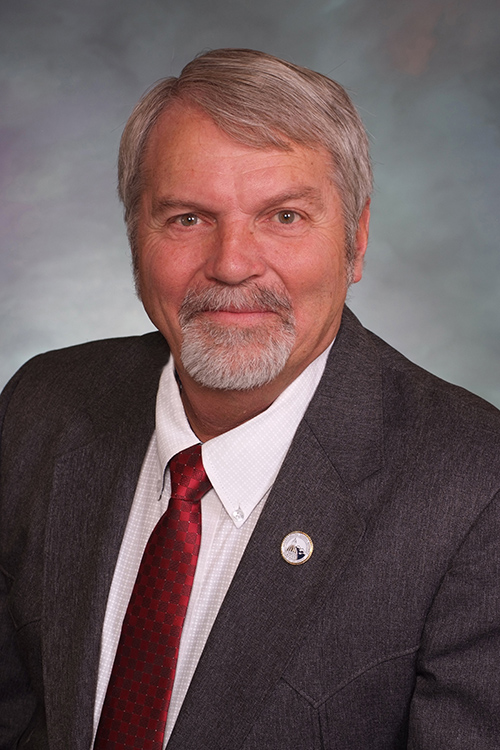
4 primary · 6 co-sponsors
Sponsors



Ask Maddy
·
AI policy assistant
Ask Maddy about SB 74
Scope: CO
Hi! I can help you understand SB 74. What would you like to know?
Try one of these
i
Maddy answers using official bill text and legislative records. Always verify before sharing.
Sources cited inline