

Rights Violation in Immigration Enforcement Remedy
Summary
The act creates a statutory cause of action for a person who has their federal constitutional rights violated by another person who, acting under color of law, is participating in civil immigration enforcement. A person who violates the United States constitution while participating in civil immigration enforcement and whose conduct was the proximate cause of violating another person's constitutional rights is liable to the person whose rights are violated for legal or equitable relief or any other appropriate relief. The action must be commenced within 2 years after the cause of action accrues. The act appropriates $125,604 to the department of law from the legal services cash fund to provide legal services for the department of personnel.(Note: This summary applies to this bill as enacted.)
Bill status
vetoed
4 of 5 stages cleared
Introduction
Jan 2026
Committee Review
May 2026
Senate Passage
May 2026
House Passage
May 2026
Vetoed
Jun 2026
Introduced Jan 14, 2026
Vetoed Jun 3, 2026
Maddy AI version diff · 5 comparisons
What changed between versions
Rerevised
→
Final Act
·
4 edits
·
May 21, 2026
MODERATE
The bill was converted from a 'Rerevised' draft into a 'Final Act' ready for the Governor's signature, incorporating specific formatting changes and adding a note about legislative status. Substantively, the text of the bill itself remains unchanged, establishing a new cause of action in Colorado courts for violations of federal constitutional rights during civil immigration enforcement and setting a two-year statute of limitations.
Scope change
The bill's scope remains focused on providing state court remedies for federal constitutional violations occurring during civil immigration enforcement, with no changes to the substantive law or applicability.
TECHNICAL
The document header was updated from 'Rerevised' to 'Final Act' and includes a note instructing readers to check legislative status sheets for the Governor's action.
Formatting was standardized to remove page numbers and reading dates, replacing them with a consolidated list of Senate and House sponsors and a clear statement of the bill's purpose.
A disclaimer was added explaining that capital letters or bold numbers indicate new material added to existing law, while dashes indicate deletions.
The bill text was reorganized to include explicit section numbers and statutory citations (13-20-1303 and 13-80-102) that were previously embedded in the context lines.
Floor votes · House May 7, 2026
How they voted
This bill passed the Senate by voice vote (no roll call recorded).
Full legislative history
Actions timeline
Total actions
15
Key actions
6
Committee
4
Jun 3, 2026
Vetoed
Governor Vetoed
executive
May 22, 2026
Lower · Passed
Signed by the Speaker of the House
lower
May 22, 2026
Upper · Passed
Signed by the President of the Senate
upper
May 7, 2026
Lower · Passed
House Third Reading Passed - No Amendments
lower
May 4, 2026
Lower · Passed
House Committee on Appropriations Refer Unamended to House Committee of the Whole
lower
Apr 22, 2026
Committee
House Committee on Judiciary Refer Unamended to Appropriations
lower
Apr 14, 2026
Introduced
Introduced In House - Assigned to Judiciary
lower
Feb 24, 2026
Upper · Passed
Senate Third Reading Passed - No Amendments
upper
Feb 18, 2026
Upper · Passed
Senate Committee on Appropriations Refer Amended to Senate Committee of the Whole
upper
Feb 2, 2026
Committee
Senate Committee on Judiciary Refer Amended to Appropriations
upper
Jan 14, 2026
Introduced
Introduced In Senate - Assigned to Judiciary
upper
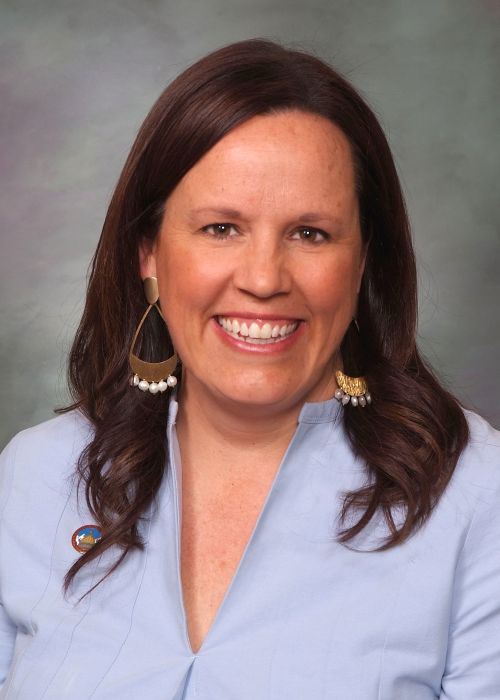
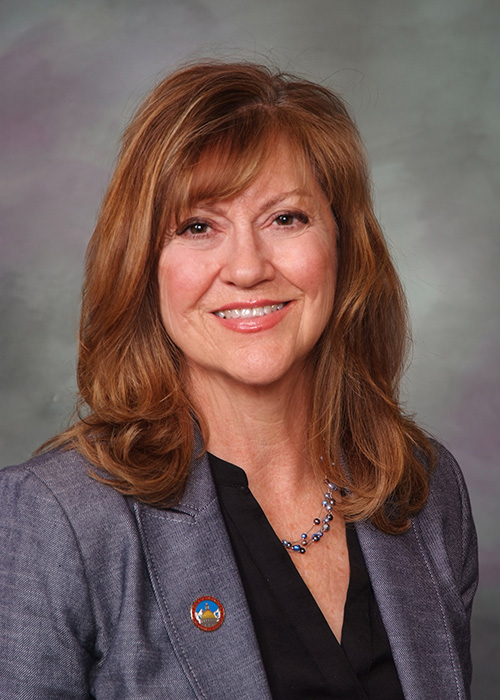
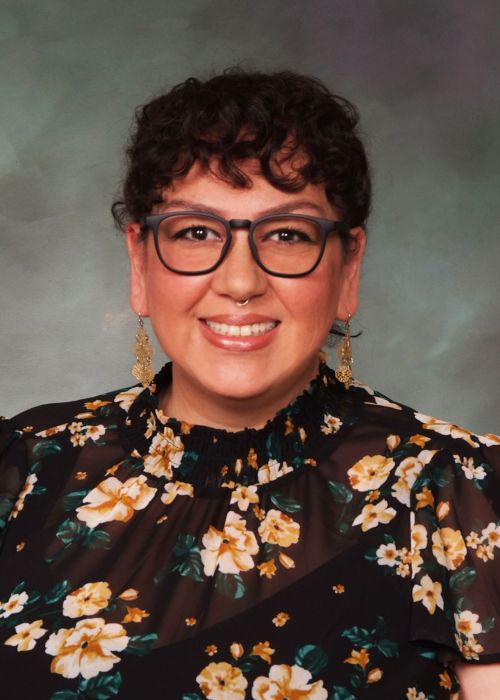
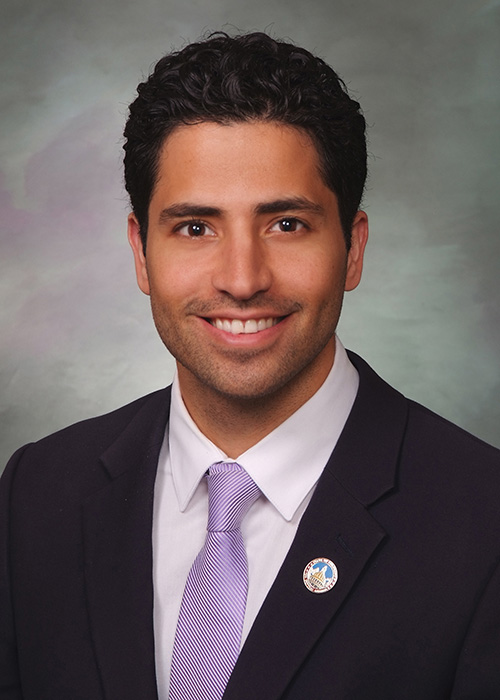
11 primary · 33 co-sponsors
Sponsors
Role
Legislator
Party
State
District
P
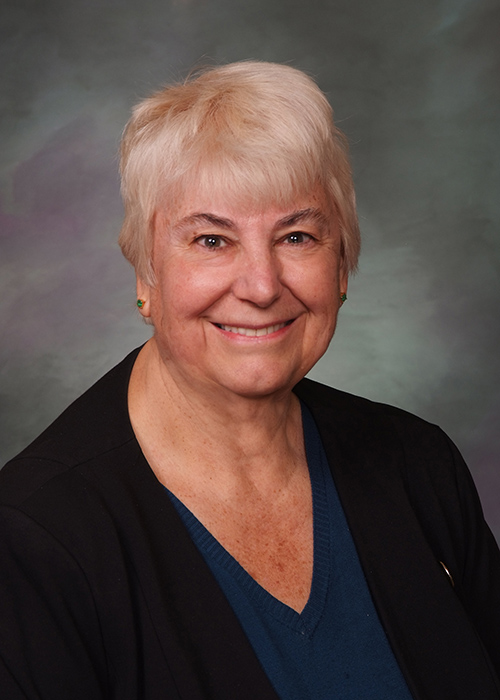
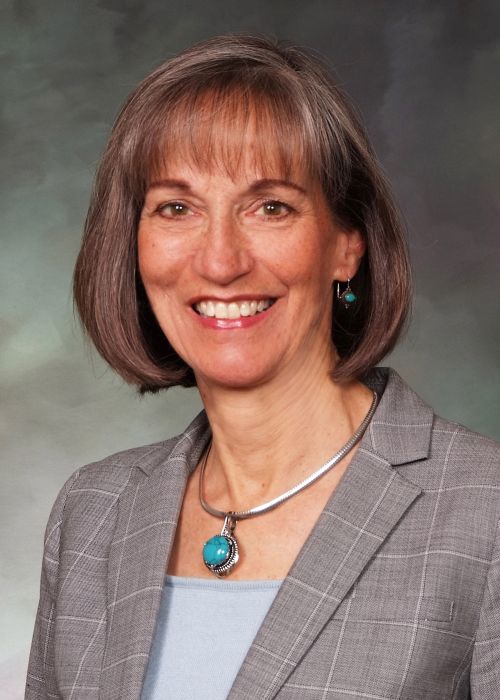
Cathy Kipp
DDemocratic
P
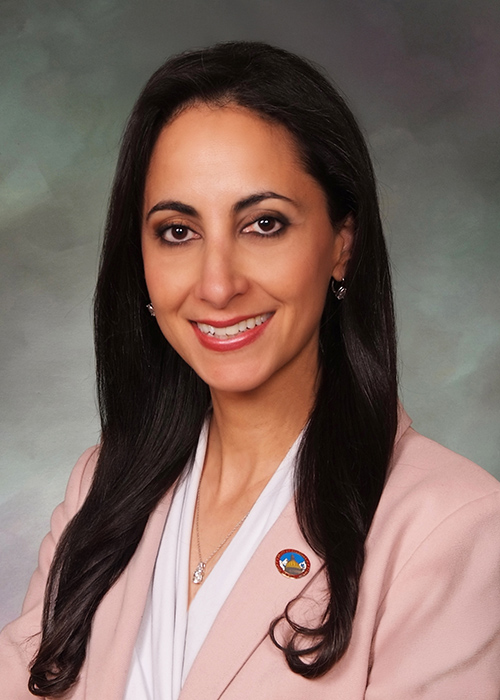
Iman Jodeh
DDemocratic
P
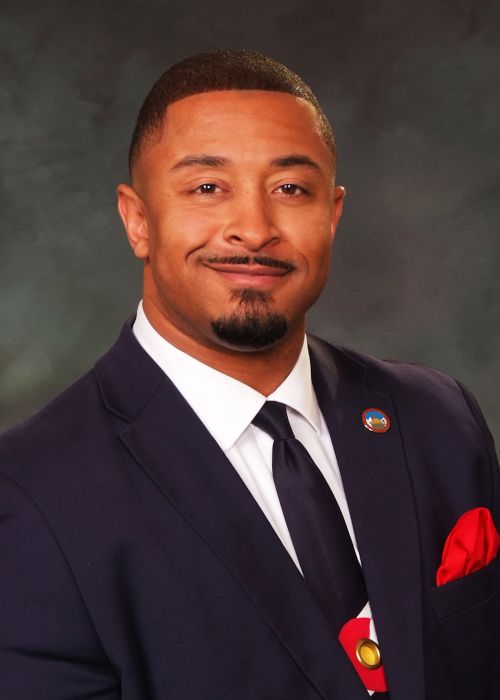
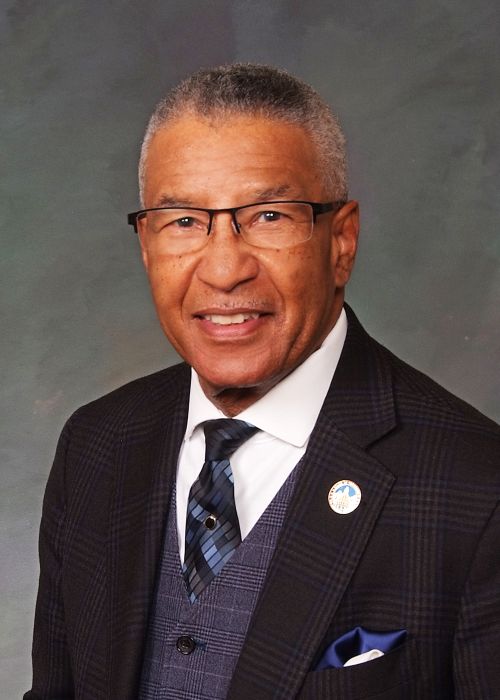
James Coleman
DDemocratic
P
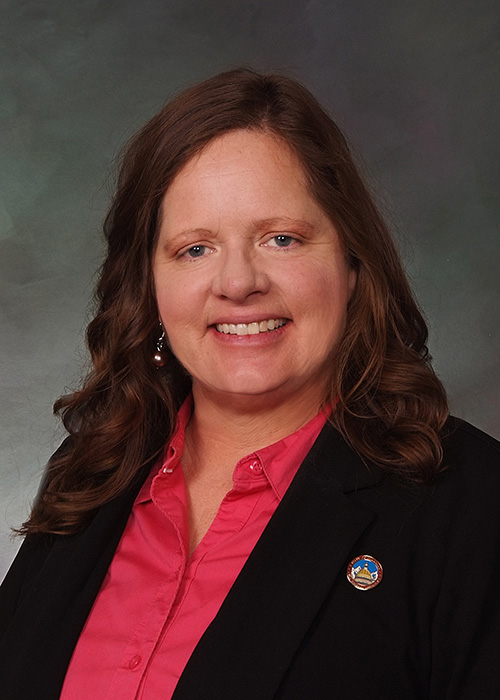
Janice Marchman
DDemocratic
P
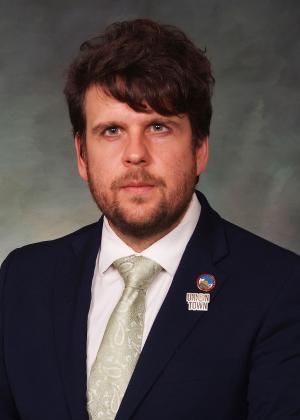
Javier Mabrey
DDemocratic
P
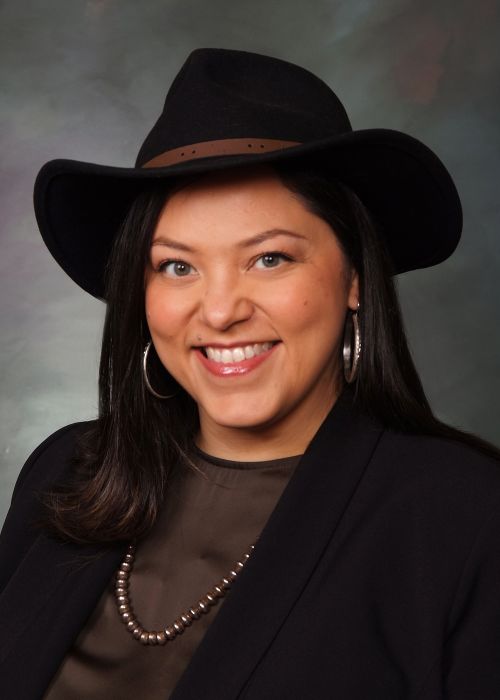
Julie Gonzales
DDemocratic
P
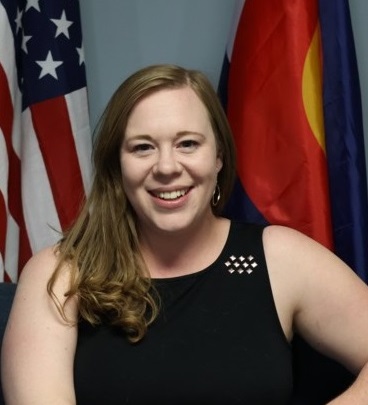
Katie Wallace
DDemocratic
P
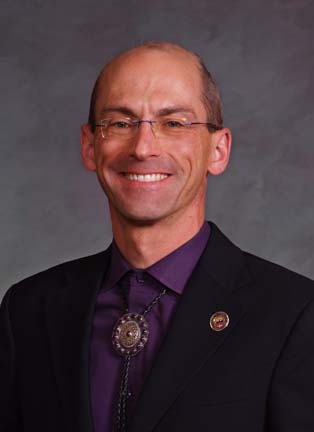
Mike Weissman
DDemocratic
P

Nick Hinrichsen
DDemocratic
P
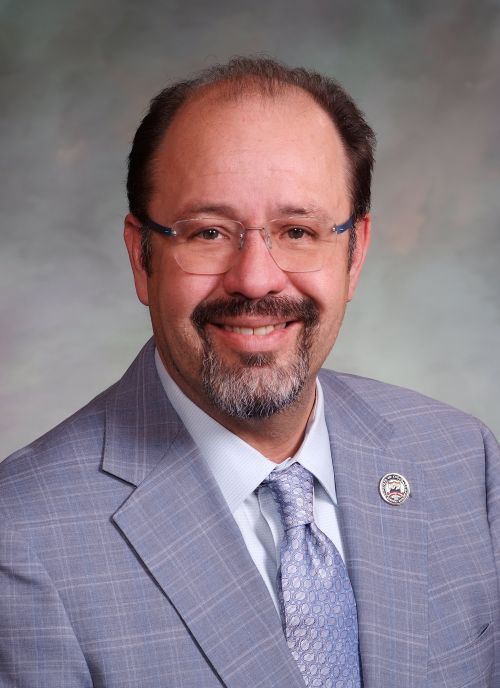
Robert Rodriguez
DDemocratic
P

Yara Zokaie
DDemocratic
Co
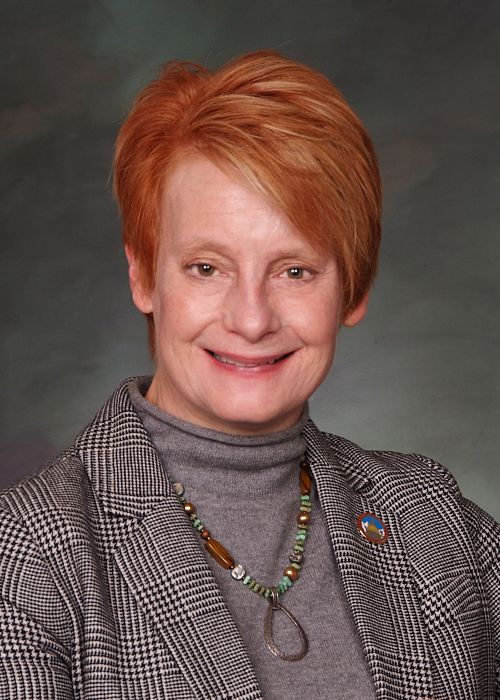
Amy Paschal
DDemocratic
Co

Andy Boesenecker
DDemocratic
Co
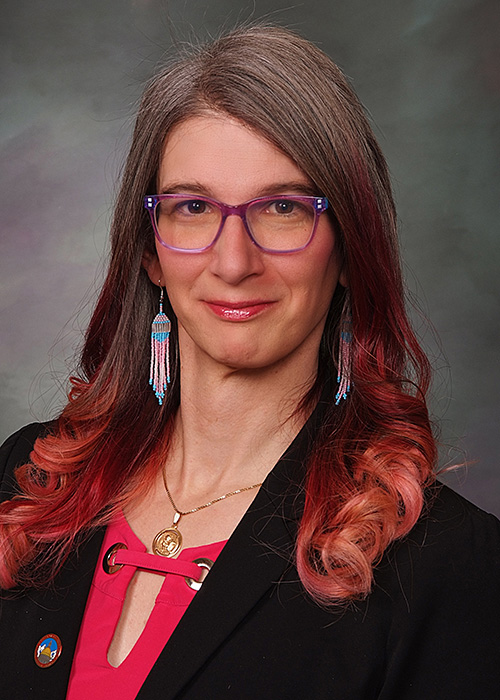
Brianna Titone
DDemocratic
Co
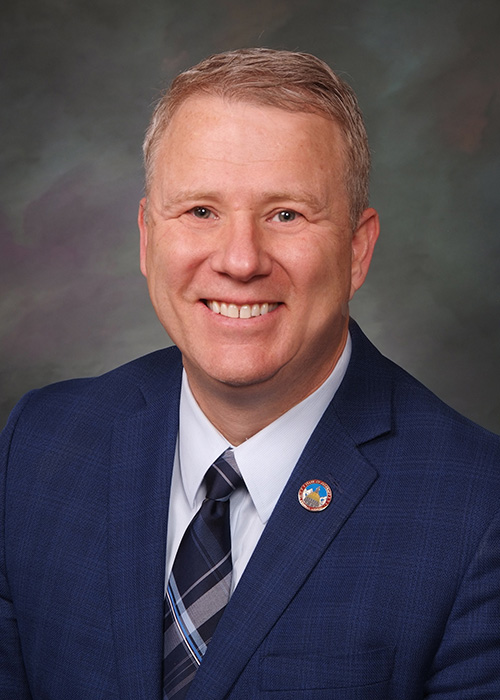
Chris Kolker
DDemocratic
Co
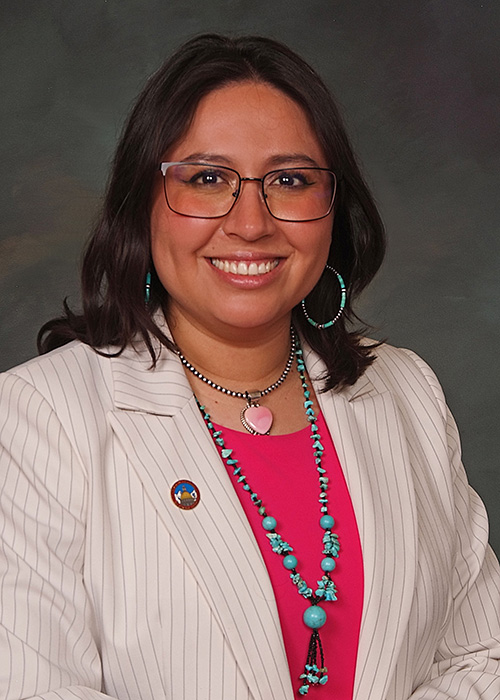
Elizabeth Velasco
DDemocratic
Co

Emily Sirota
DDemocratic
Co
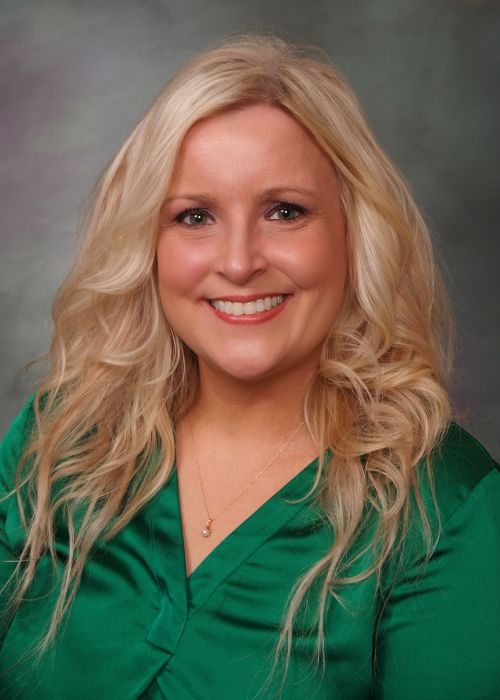
Gretchen Rydin
DDemocratic
Co
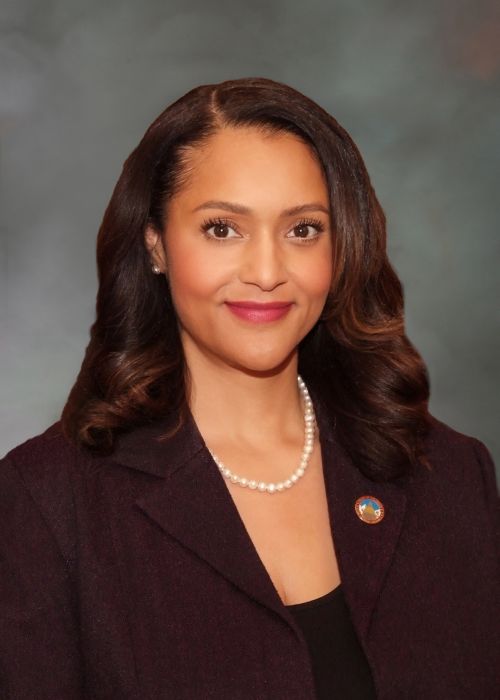
Jamie Jackson
DDemocratic
Co

Jeff Bridges
DDemocratic
Co
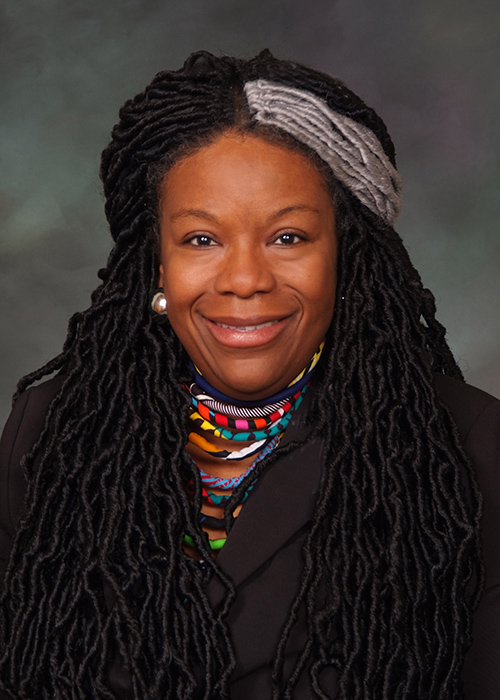
Jennifer Bacon
DDemocratic






Ask Maddy
·
AI policy assistant
Ask Maddy about SB 5
Scope: CO
Hi! I can help you understand SB 5. What would you like to know?
Try one of these
i
Maddy answers using official bill text and legislative records. Always verify before sharing.
Sources cited inline