

Expand List of Petitioners for Protection Order
Summary
The act adds a co-responder who is part of a co-responder community response to the list of community members who may petition the court for an extreme risk protection order. Health-care facilities, behavioral health treatment facilities, school districts, the state charter school institute, K-12 charter schools, private schools, and institutions of higher education are established as institutional petitioners that may petition a court for an extreme risk protection order.(Note: This summary applies to this bill as enacted.)
Bill status
signed
all 5 stages cleared
Introduction
Jan 2026
Committee Review
Mar 2026
Senate Passage
Mar 2026
House Passage
Mar 2026
Signed into Law
Apr 2026
Introduced Jan 14, 2026
Signed Apr 6, 2026
Maddy AI version diff · 6 comparisons
What changed between versions
Final Act
→
Signed Act
·
5 edits
·
Apr 6, 2026
MODERATE
This bill updates the definitions of who can petition for an extreme risk protection order (ERPO) and clarifies the rules for sharing medical records. It adds 'co-responders' from specific community response programs and 'institutional petitioners' (like schools and hospitals) to the list of eligible individuals who can seek an ERPO. The bill also grants these new petitioners the authority to disclose protected health information to the court to support their case, while establishing strict rules to ensure that medical data is used only for the ERPO proceeding and is destroyed or returned afterward.
Scope change
The bill expands the scope of who may file an ERPO petition by adding specific categories of community responders and institutional entities, moving beyond just family members and licensed professionals.
ELIGIBILITY
Added 'co-responders' from community response programs as eligible petitioners.
Added 'institutional petitioners' such as school districts, private schools, and healthcare facilities as eligible petitioners.
DEFINITION
Updated the definition of 'educator' to explicitly include community colleges and technical colleges.
REQUIREMENT
Authorized new petitioners to disclose protected health information to the court for ERPO investigations.
Established strict confidentiality rules requiring the return or destruction of medical records after the legal process concludes.
Floor votes · House Mar 20, 2026
How they voted
This bill passed the Senate by voice vote (no roll call recorded).
Full legislative history
Actions timeline
Total actions
14
Key actions
7
Committee
2
Apr 6, 2026
Signed into law
Governor Signed
executive
Mar 26, 2026
Lower · Passed
Signed by the Speaker of the House
lower
Mar 26, 2026
Upper · Passed
Signed by the President of the Senate
upper
Mar 20, 2026
Lower · Passed
House Third Reading Passed - No Amendments
lower
Mar 2, 2026
Lower · Passed
House Committee on State, Civic, Military, & Veterans Affairs Refer Unamended to House Committee of the Whole
lower
Feb 4, 2026
Introduced
Introduced In House - Assigned to State, Civic, Military, & Veterans Affairs
lower
Feb 3, 2026
Upper · Passed
Senate Third Reading Passed - No Amendments
upper
Jan 27, 2026
Upper · Passed
Senate Committee on State, Veterans, & Military Affairs Refer Amended to Senate Committee of the Whole
upper
Jan 14, 2026
Introduced
Introduced In Senate - Assigned to State, Veterans, & Military Affairs
upper
4 primary · 39 co-sponsors
Sponsors
Role
Legislator
Party
State
District
P

Jenny Willford
DDemocratic
P
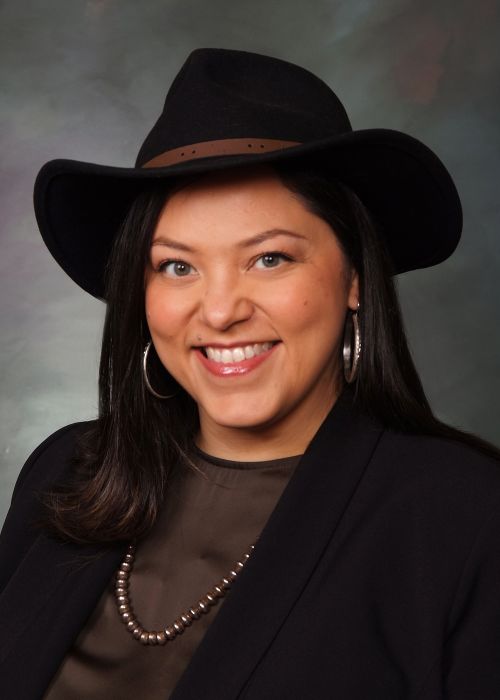
Julie Gonzales
DDemocratic
P
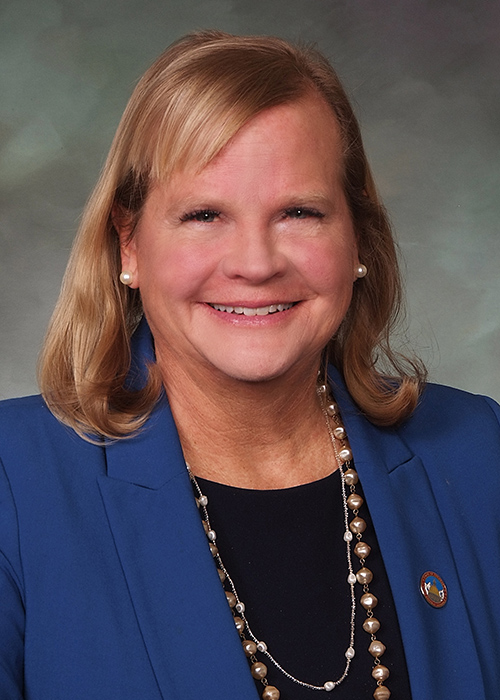
Meg Froelich
DDemocratic
P

Tom Sullivan
DDemocratic
Co

Amy Paschal
DDemocratic
Co

Andy Boesenecker
DDemocratic
Co

Brianna Titone
DDemocratic
Co

Cathy Kipp
DDemocratic
Co
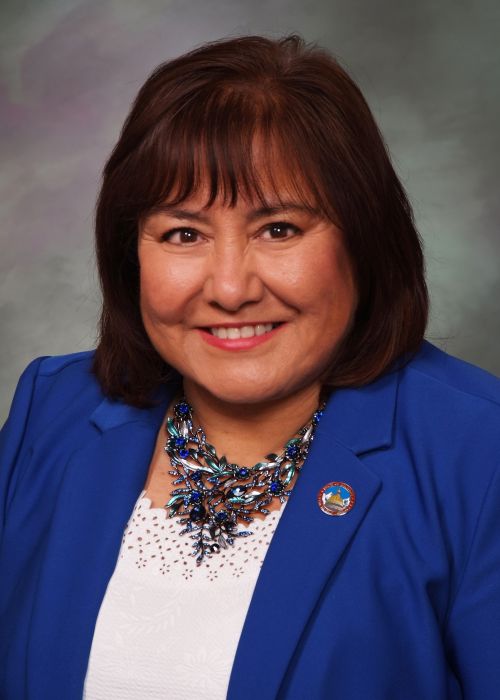
Cecelia Espenoza
DDemocratic
Co
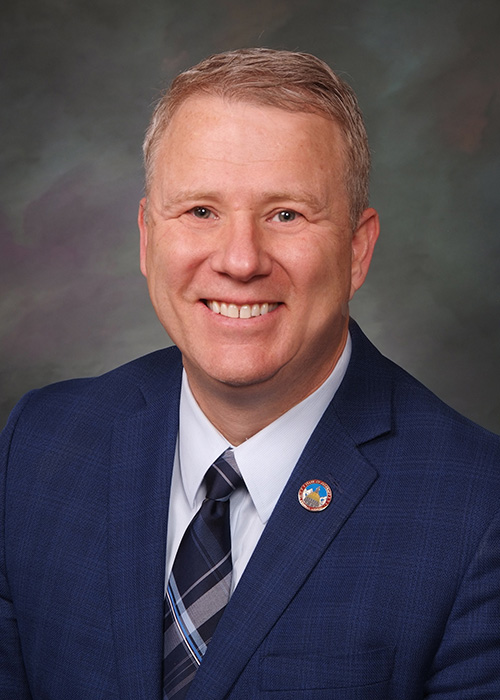
Chris Kolker
DDemocratic
Co

Dafna Michaelson Jenet
DDemocratic
Co

Eliza Hamrick
DDemocratic
Co

Emily Sirota
DDemocratic
Co

Gretchen Rydin
DDemocratic


















Ask Maddy
·
AI policy assistant
Ask Maddy about SB 4
Scope: CO
Hi! I can help you understand SB 4. What would you like to know?
Try one of these
i
Maddy answers using official bill text and legislative records. Always verify before sharing.
Sources cited inline