SB 174 Colorado Senate · 2026 Regular Session

Prohibit Lead Generation Legal Marketing

Summary
The act establishes that the practice of lead generation marketing for legal services is a deceptive trade practice that is subject to enforcement under the 'Colorado Consumer Protection Act'.     'Lead generation legal marketing' is defined in the act as a form of marketing in which a lawyer, law firm, or licensed legal paraprofessional pays money or other compensation to a third party to receive information about a potential client or case, including the potential client's contact information or information about the potential client's legal issue or case.     Unless a person meets certain criteria, the act prohibits a person from paying money or other compensation for lead generation legal marketing services, engaging in the practice of lead generation legal marketing, or selling leads to an attorney, law firm, or licensed legal paraprofessional.     A person may solicit or market for legal services in Colorado only if the person is:Authorized by the Colorado supreme court to practice law in Colorado;Working on behalf of a person authorized by the Colorado supreme court to practice law in Colorado and that person is clearly identified in any advertisement, marketing materials, information, or resources; orA nonprofit organization that engages in legal services.     The act establishes that a person that engages in the practice of lead generation legal marketing may be subject to both civil and criminal penalties.(Note: This summary applies to this bill as enacted.)
Bill status signed all 5 stages cleared
Introduction
Apr 2026
Committee Review
May 2026
Senate Passage
May 2026
House Passage
May 2026
Signed into Law
Jun 2026
Introduced Apr 21, 2026 Signed Jun 3, 2026
Maddy AI version diff · 5 comparisons

What changed between versions

Rerevised Final Act · 5 edits · May 21, 2026
MODERATE
This bill prohibits attorneys and legal service providers from paying third parties to generate leads for legal cases, labeling this practice as a deceptive trade practice. It distinguishes between prohibited 'lead generation marketing' and allowed 'traditional legal marketing,' such as direct advertising where the lawyer is clearly identified. The law empowers the Attorney General and District Attorneys to pursue criminal charges for violations, while also allowing private citizens to sue for civil damages of $10,000 per violation.
Scope change
The bill applies to any person engaging in lead generation legal marketing within the state, including attorneys, law firms, licensed legal paraprofessionals, and third-party marketing firms. It explicitly exempts traditional marketing methods and fee-sharing arrangements between licensed legal professionals.
DEFINITION

Added a specific definition for 'lead generation legal marketing' as any marketing where a lawyer pays a third party for client information, while defining 'traditional legal marketing' as direct advertising where the lawyer is clearly identified.

REQUIREMENT

Prohibited attorneys and firms from paying money or compensation to third parties for lead generation services and from selling leads to attorneys.

ENFORCEMENT

Established that violations are subject to civil penalties of $10,000 per violation plus attorney fees, and criminal penalties including charges for impersonation and fraud.

Granted standing to private consumers who are harmed by these practices to file civil lawsuits to enforce the new section.

SCOPE

Clarified that the prohibition does not apply to fee-sharing between licensed attorneys or traditional marketing methods like search engine optimization and radio ads.

Floor votes · House May 7, 2026

How they voted

This bill passed the Senate by voice vote (no roll call recorded).
Full legislative history

Actions timeline

Total actions
12
Key actions
7
Committee
2
Jun 3, 2026
Signed into law
Governor Signed
executive
May 26, 2026
Lower · Passed
Signed by the Speaker of the House
lower
May 26, 2026
Upper · Passed
Signed by the President of the Senate
upper
May 7, 2026
Lower · Passed
House Third Reading Passed - No Amendments
lower
May 5, 2026
Lower · Passed
House Committee on Judiciary Refer Unamended to House Committee of the Whole
lower
Apr 30, 2026
Introduced
Introduced In House - Assigned to Judiciary
lower
Apr 30, 2026
Upper · Passed
Senate Third Reading Passed - No Amendments
upper
Apr 27, 2026
Upper · Passed
Senate Committee on Judiciary Refer Amended to Senate Committee of the Whole
upper
Apr 21, 2026
Introduced
Introduced In Senate - Assigned to Judiciary
upper
4 primary · 18 co-sponsors

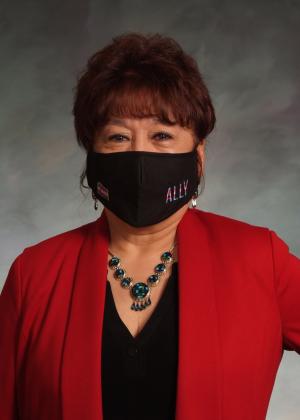
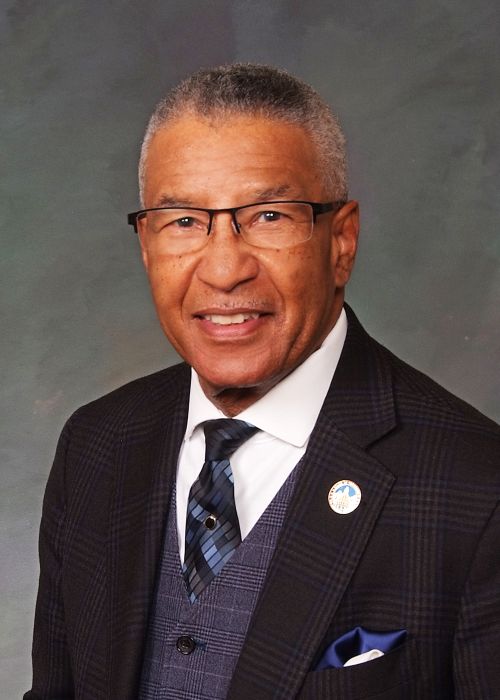
Sponsors