SB 159 Colorado Senate · 2026 Regular Session

Inmate Earned Time Formula for Sentence to Department of Corrections

Summary
An inmate who is serving a sentence to the department of corrections (DOC) for certain lower level criminal offenses, has not incurred a penal discipline violation within a specified time period, and is program compliant is currently eligible to earn 12 days of earned time per month. The act increases eligibility to 14 days per month.     An inmate who is serving a sentence for, or who has been previously convicted of, certain higher level criminal offenses, including a felony offense listed in the 'Victim Rights Act', is currently eligible to earn 10 days of earned time per month. The act increases eligibility to 12 days per month.     An inmate who completes a milestone or phase of a behavioral health program in an area related to recovery from a condition that contributed to the inmate's underlying offense may be awarded up to 150 days of earned time.     The DOC is directed to enact policy changes to incentivize inmates to pursue activities that award earned time.     The act creates a working group to make recommendations for a capacity management plan (plan) for the DOC with input from impacted groups. The plan must be informed by strategies to assess prison programming and clinical care, inmate release processes, services for successful release outcomes, prison population management, and prison capacity changes. Members of the house of representatives judiciary committee, the senate judiciary committee, and the joint budget committee may submit in writing to the chair of the working group a request to prioritize specific issues or provide other relevant information. The working group shall submit an interim and a final report to the general assembly, the DOC's certified employee organization, and the governor's office.(Note: This summary applies to this bill as enacted.)
Bill status signed all 5 stages cleared
Introduction
Apr 2026
Committee Review
Apr 2026
Senate Passage
May 2026
House Passage
May 2026
Signed into Law
May 2026
Introduced Apr 9, 2026 Signed May 19, 2026
Maddy AI version diff · 6 comparisons

What changed between versions

Final Act Signed Act · 5 edits · May 19, 2026
MODERATE
This bill amends Colorado's earned time and achievement earned time statutes to adjust credit limits for certain inmates and create a new working group to address prison overcrowding. It increases the standard earned time credit from 12 to 14 days per month for eligible inmates and raises the maximum achievement earned time from 120 to 150 days for those completing specific behavioral health milestones. Additionally, it establishes a Department of Corrections Comprehensive Planning Working Group to assess prison capacity, identify release bottlenecks, and develop strategies to manage population growth.
Scope change
The bill expands the scope of the Department of Corrections' planning efforts by creating a new statutory working group with representatives from various criminal justice stakeholders, including the Senate, to address systemic issues like overcrowding and release processes.
ELIGIBILITY

Increased the maximum earned time deduction from 12 days to 14 days per month for inmates serving specific felony sentences who meet performance standards.

Raised the cap on achievement earned time from 120 days to 150 days for offenders who successfully complete behavioral health programs related to their underlying offense.

REQUIREMENT

Created a new 'Department of Corrections Comprehensive Planning Working Group' to assess prison programming efficacy, identify release process inefficiencies, and manage prison population growth.

Mandated that the new working group include specific new members, such as a behavioral health expert and medical professional appointed by the President of the Senate.

TECHNICAL

Corrected formatting inconsistencies and typos in the statute text, such as spacing and capitalization errors.

Floor votes · House Apr 30, 2026

How they voted

This bill passed the Senate by voice vote (no roll call recorded).
Full legislative history

Actions timeline

Total actions
13
Key actions
7
Committee
2
May 19, 2026
Signed into law
Governor Signed
executive
May 5, 2026
Lower · Passed
Signed by the Speaker of the House
lower
May 4, 2026
Upper · Passed
Signed by the President of the Senate
upper
Apr 30, 2026
Lower · Passed
House Third Reading Passed - No Amendments
lower
Apr 28, 2026
Lower · Passed
House Committee on Judiciary Refer Unamended to House Committee of the Whole
lower
Apr 20, 2026
Introduced
Introduced In House - Assigned to Judiciary
lower
Apr 20, 2026
Upper · Passed
Senate Third Reading Passed - No Amendments
upper
Apr 13, 2026
Upper · Passed
Senate Committee on Judiciary Refer Amended to Senate Committee of the Whole
upper
Apr 9, 2026
Introduced
Introduced In Senate - Assigned to Judiciary
upper
4 primary · 17 co-sponsors

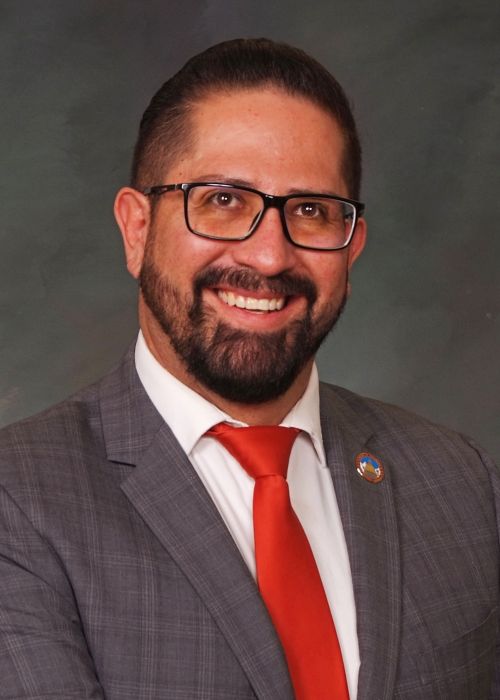
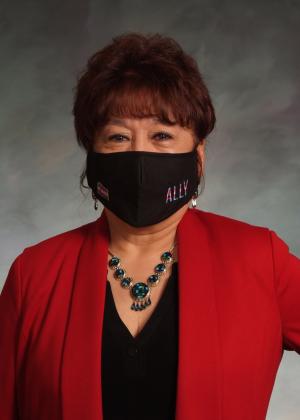
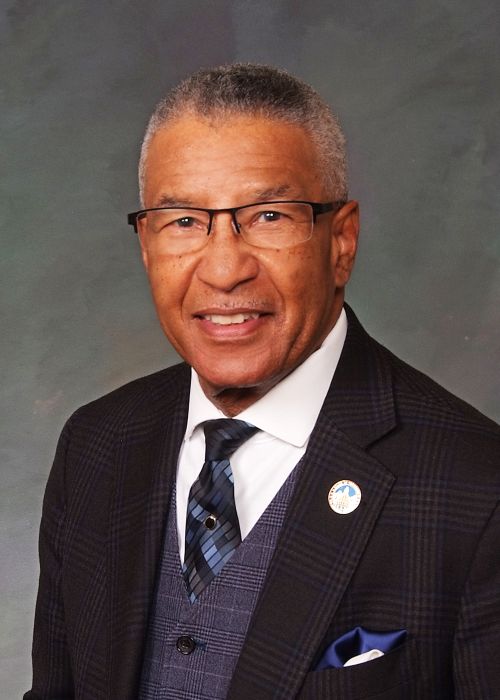
Sponsors