

State Public K-12 Education Funding
Summary
The act requires the secretary of state to refer a ballot issue at the November 2026 general election to seek voter approval for the state, beginning in the 2026-27 state fiscal year, to retain and spend an amount of state revenue equal to the amount of state public K-12 education funding in excess of the limitation on state fiscal year spending and to increase state public K-12 education funding by up to 2% per year for 10 years. The act directs legislative council staff to determine the amount of state public K-12 education funding and describes how legislative council staff will make that determination. The act creates a positive factor to increase state public K-12 education funding. The amount of the positive factor compounds annually for 10 years. The positive factor for the 2026-27 budget year is 2% of the program foundation calculated for the 2025-26 budget year. For the 2027-28 through 2034-35 budget years, it is the sum of 2% of the prior year's program foundation plus the prior year's positive factor. For the 2035-36 budget year and beyond, it is the sum of 2% of the 2034-35 program foundation plus the 2034-35 positive factor. A district's share of the positive factor is calculated proportionally based on the district's total program under the new school finance formula relative to the statewide total program. A district may only use its positive factor funding for increasing teacher pay, improving teacher retention, lowering class sizes, and increasing access to career and technical courses. For the 2026-27 state fiscal year, the children's account consists of an amount of money equal to the amount of state revenues that the state retains for a given fiscal year pursuant to voter approval of the act. For state fiscal years commencing on or after July 1, 2027, the account consists of that same amount minus an amount equal to the total dollar amount of warrants issued by the state treasurer to reimburse local governments for property tax exemptions. Money in the account must first be spent to pay districts their positive factor, then any remaining funds are appropriated for disability services and school services and to increase annual contact hours, and finally to programs prioritizing child care and full-day preschool. The act directs the state auditor to conduct and publish a report on excess state revenues for each state fiscal year that the state retains and spends state revenues in excess of the limitation on state fiscal year spending. That report must include descriptions of:The amount of state revenues that the state retained and spent that would otherwise have been in excess of the limitation on state fiscal year spending; andHow the state expended the state revenues that the state retained and spent that would otherwise have been in excess of the limitation on state fiscal year spending. Beginning August 1, 2027, the act requires each local education provider to post, online for free public access in a format that can be downloaded and sorted, its actual expenditures of any positive factor received. Lastly, the act updates provisions regarding the expanded earned income tax credit, the family affordability tax credit, and the affordable housing financing fund to ensure that voter approval of the act does not adversely impact those programs.(Note: This summary applies to this bill as enacted.)
Bill status
passed both
4 of 5 stages cleared
Introduction
Mar 2026
Committee Review
May 2026
Senate Passage
May 2026
House Passage
May 2026
Governor
Introduced Mar 5, 2026
Last action May 20, 2026
Maddy AI version diff · 5 comparisons
What changed between versions
Rerevised
→
Final Act
·
3 edits
·
May 18, 2026
MINOR
The bill was reorganized from a standard legislative format to a 'Final Act' ready for the Governor's signature, removing internal committee notes and adding a formal note confirming its status. The core policy content regarding K-12 funding definitions and the 'positive factor' mechanism remains substantively unchanged, though the text was reformatted to align with final statutory language.
Scope change
The bill's scope and applicability remain unchanged; the text now reflects final legislative approval rather than a draft version.
TECHNICAL
Removed draft headers, committee assignments, and bill summaries; replaced with final act language and a note regarding the Governor's signature.
Added a formal note instructing readers to consult legislative status sheets for the bill's final action.
Reformatted the legislative declaration and statutory definitions to match the final act style, removing line numbers and internal markup symbols.
Floor votes
How they voted
This bill passed the Senate by voice vote (no roll call recorded).
Full legislative history
Actions timeline
Total actions
14
Key actions
6
Committee
3
Amendments
1
May 20, 2026
Lower · Passed
Signed by the Speaker of the House
lower
May 20, 2026
Upper · Passed
Signed by the President of the Senate
upper
May 12, 2026
Introduced
Senate Considered House Amendments - Result was to Concur - Repass
upper
May 9, 2026
Lower · Passed
House Third Reading Passed with Amendments - Floor
lower
May 5, 2026
Lower · Passed
House Committee on Appropriations Refer Amended to House Committee of the Whole
lower
Apr 28, 2026
Introduced
Introduced In House - Assigned to Appropriations
lower
Apr 27, 2026
Upper · Passed
Senate Third Reading Passed - No Amendments
upper
Apr 17, 2026
Upper · Passed
Senate Committee on Appropriations Refer Amended to Senate Committee of the Whole
upper
Mar 12, 2026
Committee
Senate Committee on Finance Refer Amended to Appropriations
upper
Mar 5, 2026
Introduced
Introduced In Senate - Assigned to Finance
upper
42 primary · 13 co-sponsors
Sponsors
Role
Legislator
Party
State
District
P
Adrienne Benavidez
DDemocratic
P
Amy Paschal
DDemocratic
P

Andy Boesenecker
DDemocratic
P
Brianna Titone
DDemocratic
P
Cathy Kipp
DDemocratic
P
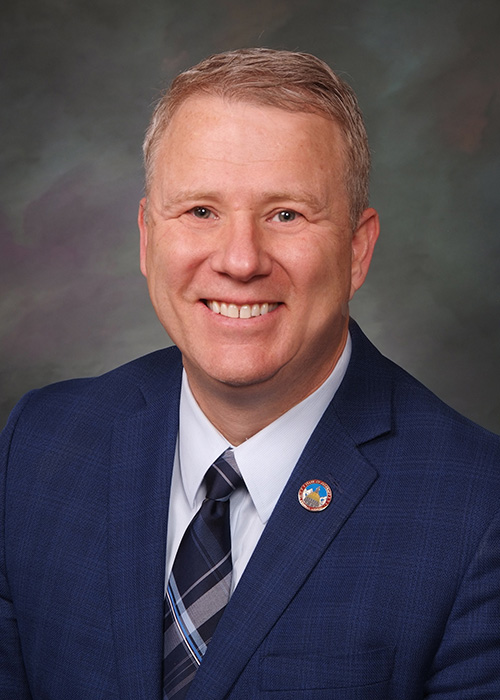
Chris Kolker
DDemocratic
P
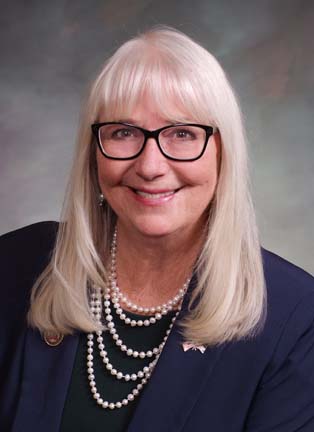
Eliza Hamrick
DDemocratic
P
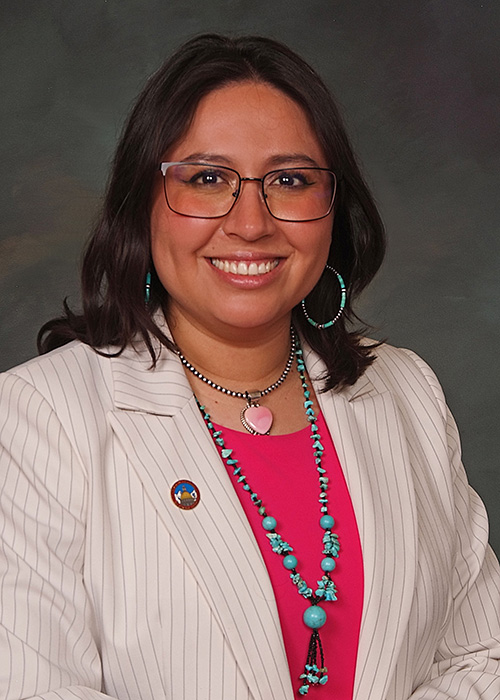
Elizabeth Velasco
DDemocratic
P
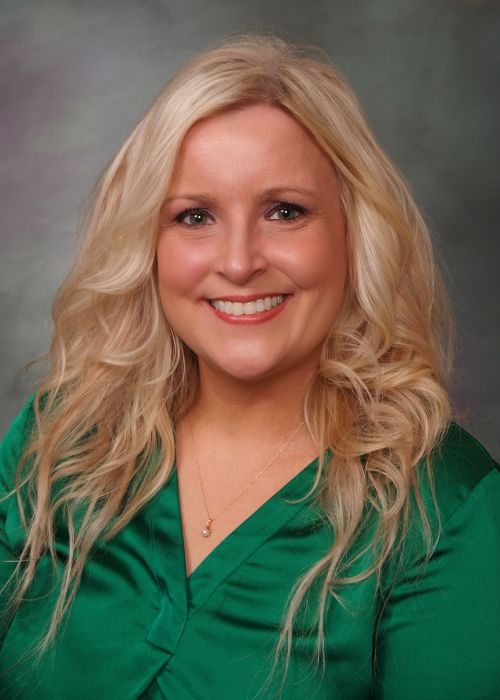
Gretchen Rydin
DDemocratic
P
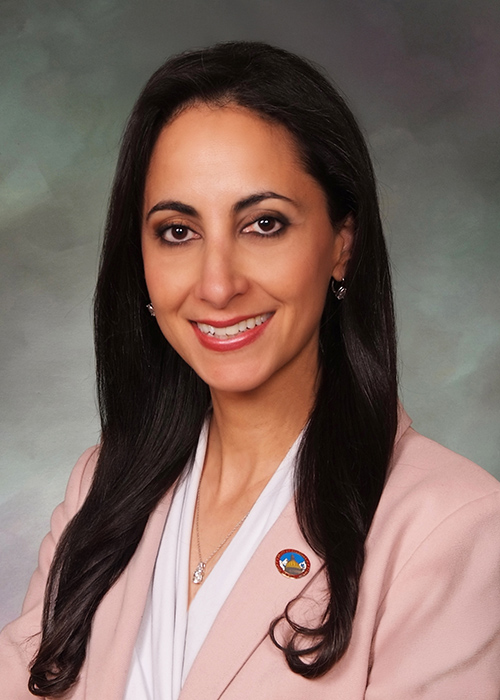
Iman Jodeh
DDemocratic
P

Jacque Phillips
DDemocratic
P
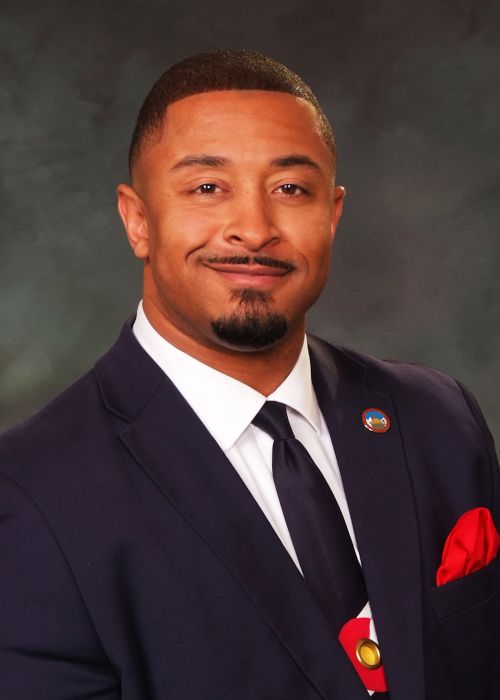
James Coleman
DDemocratic
P
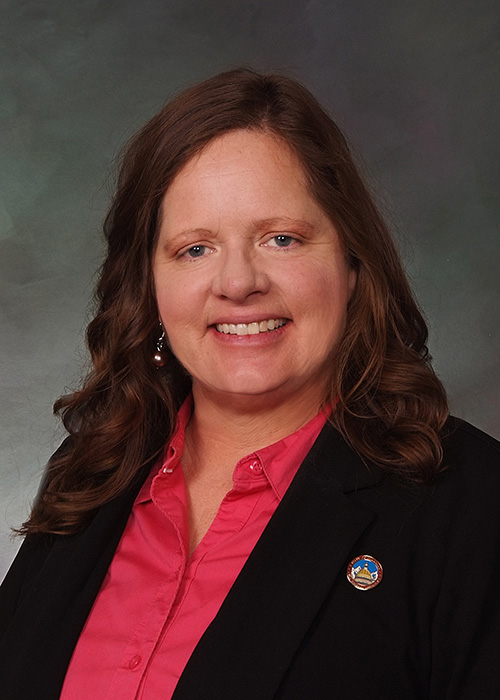
Janice Marchman
DDemocratic
P

Jeff Bridges
DDemocratic
P
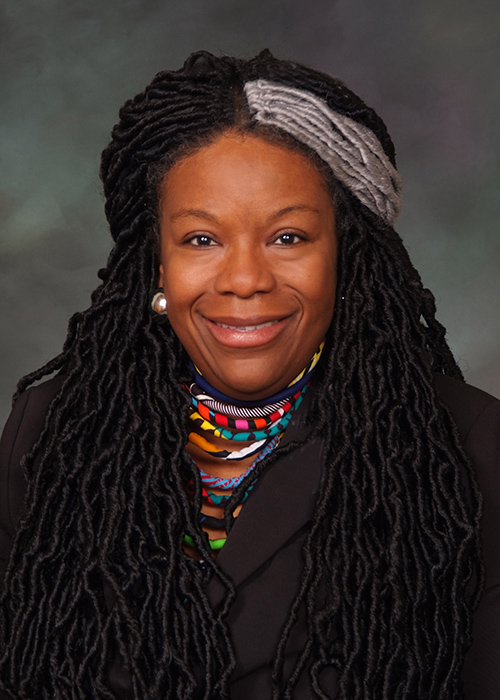
Jennifer Bacon
DDemocratic
P
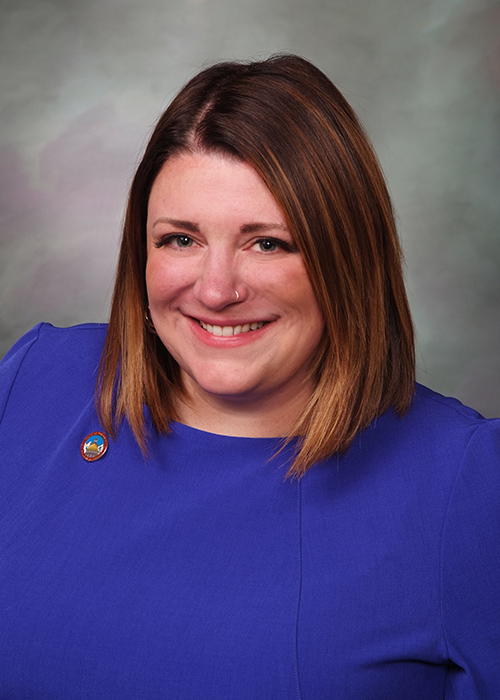
Jenny Willford
DDemocratic
P
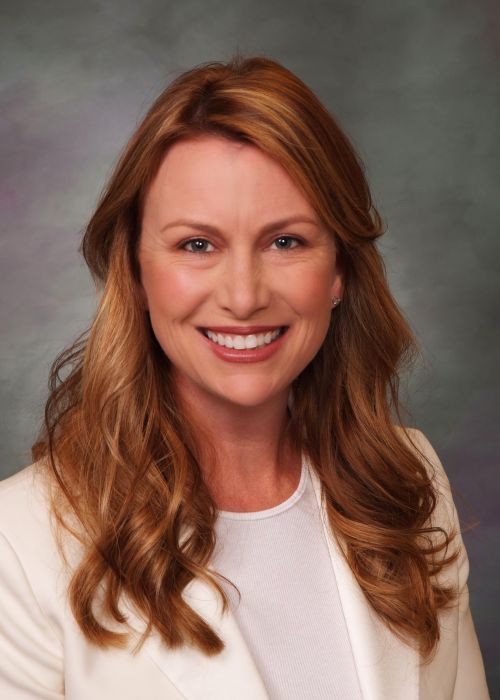
Jessie Danielson
DDemocratic
P

Judy Amabile
DDemocratic
P
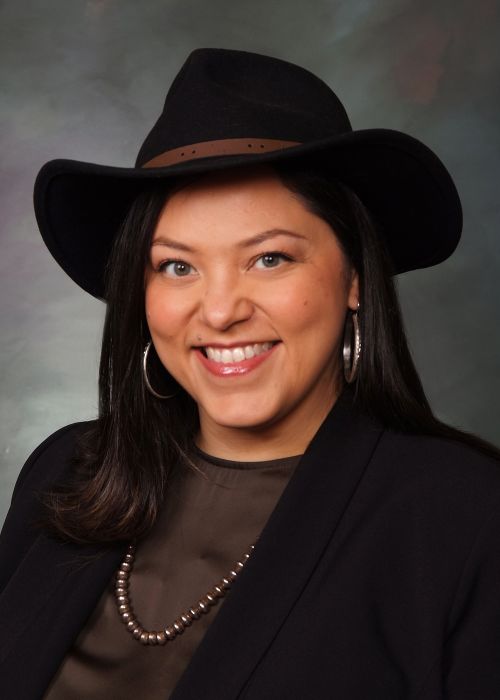
Julie Gonzales
DDemocratic
P
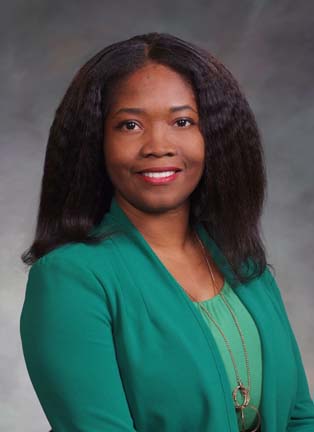
Junie Joseph
DDemocratic
P
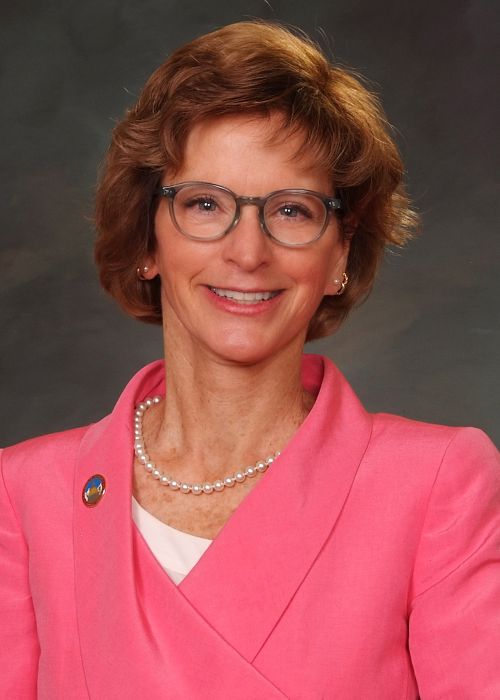
Karen McCormick
DDemocratic
P
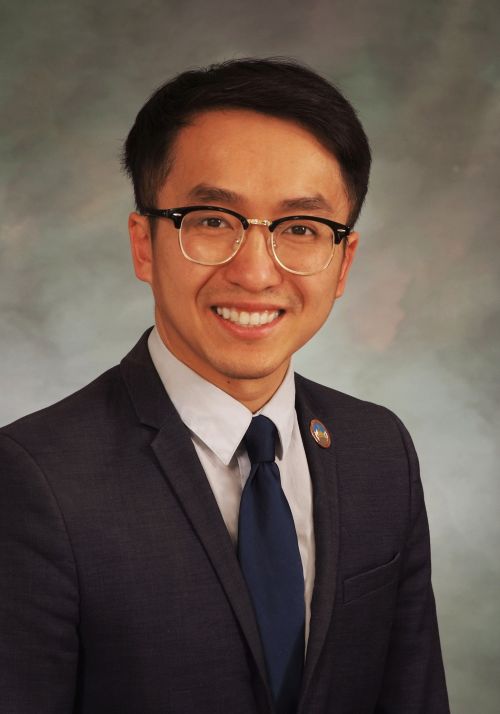
Kenny Nguyen
DDemocratic
P
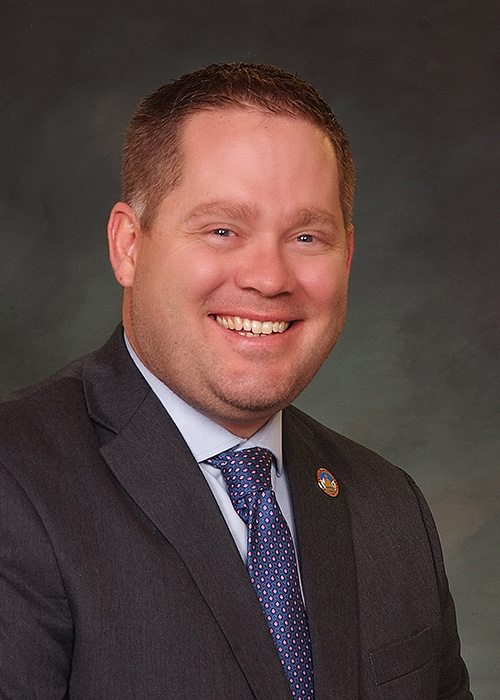
Kyle Mullica
DDemocratic
P
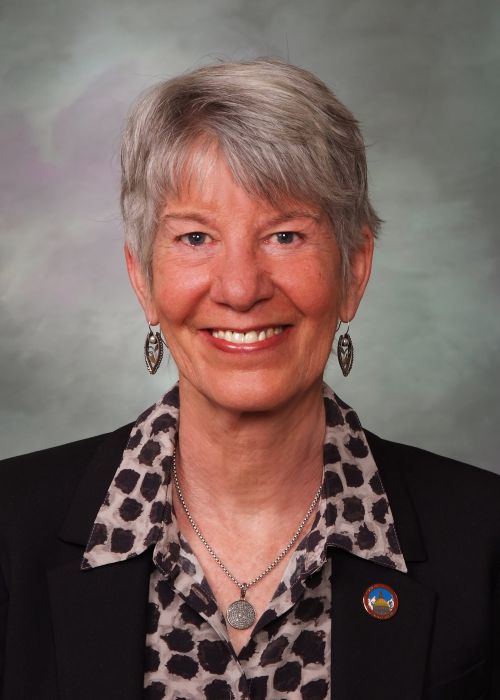
Lesley Smith
DDemocratic
P
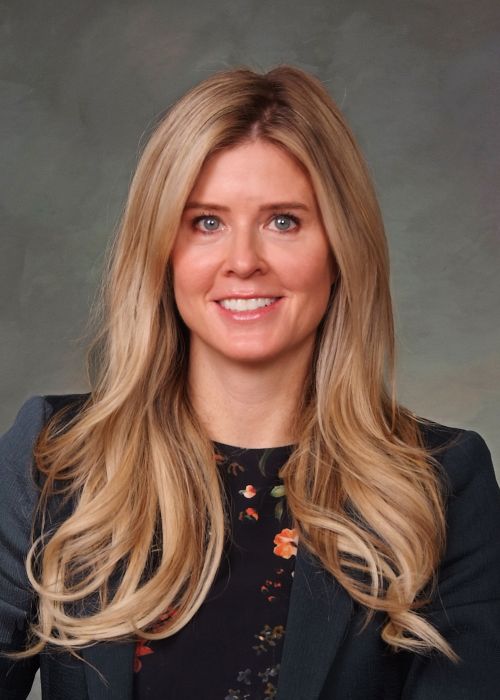
Lindsey Daugherty
DDemocratic
P
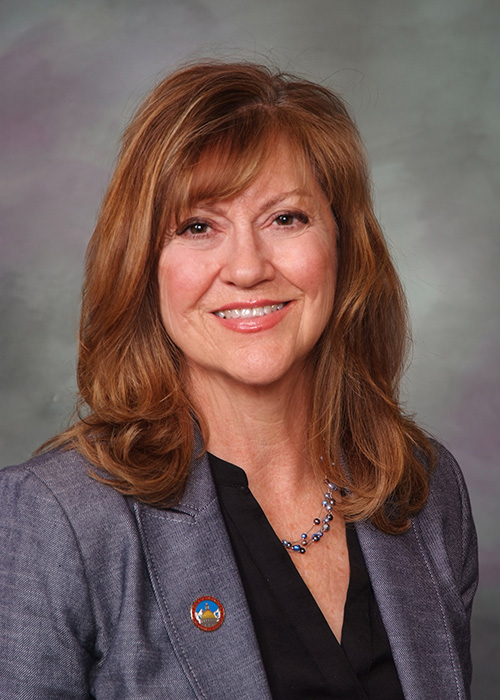
Lisa Cutter
DDemocratic
P
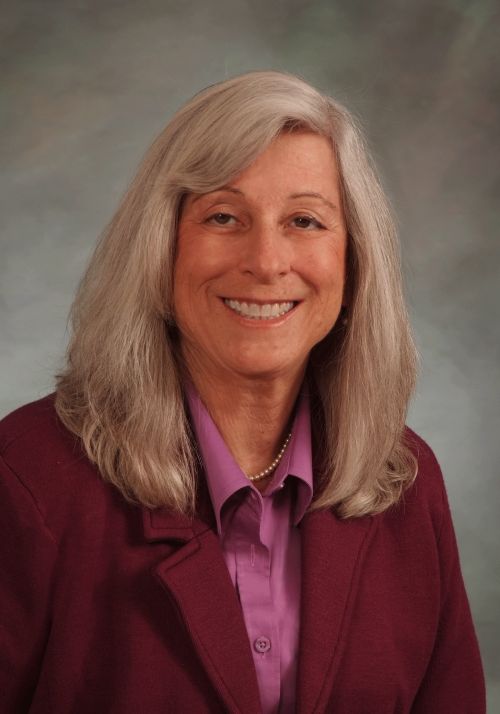
Lori Goldstein
DDemocratic
P
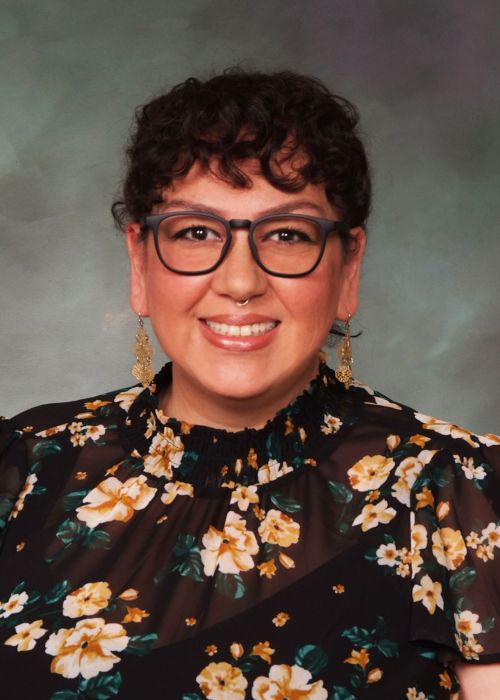
Mandy Lindsay
DDemocratic
P
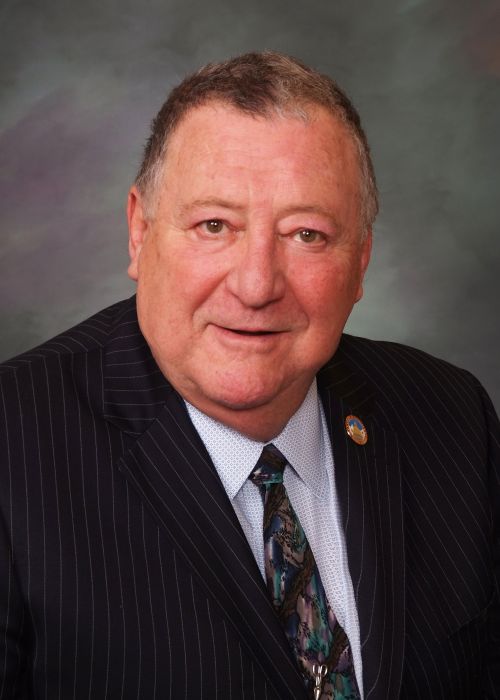
Marc Snyder
DDemocratic
P
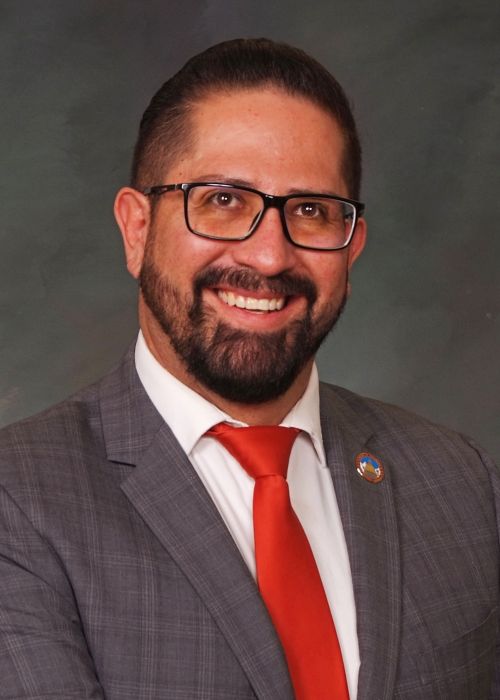
Matt Martinez
DDemocratic
P
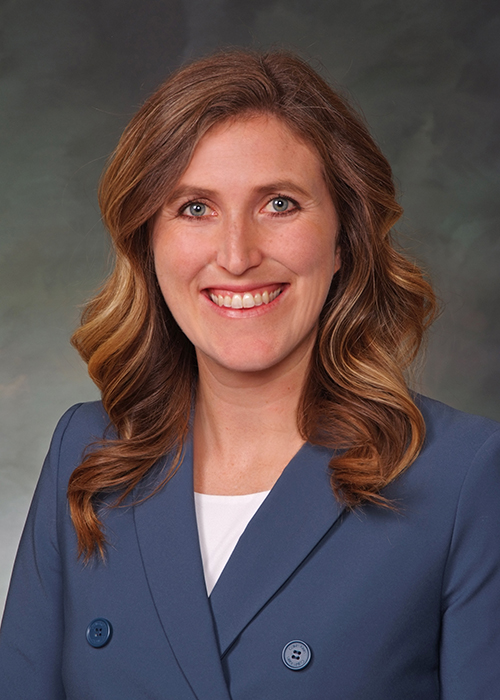
Meghan Lukens
DDemocratic
P
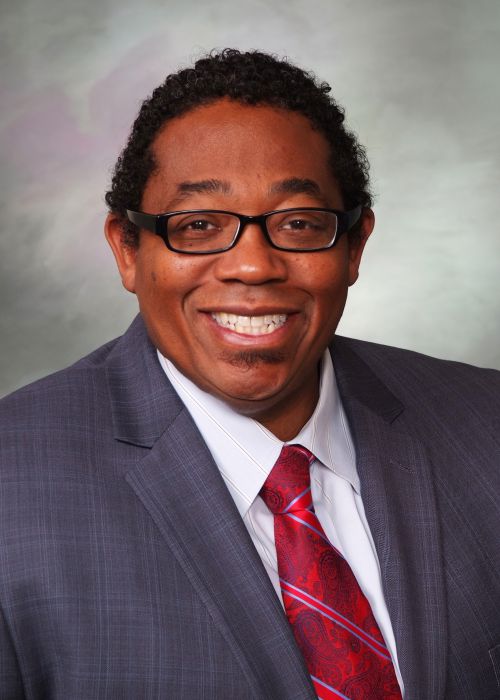
Michael Carter
DDemocratic
P
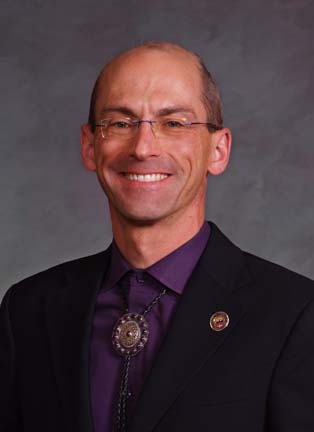
Mike Weissman
DDemocratic
P
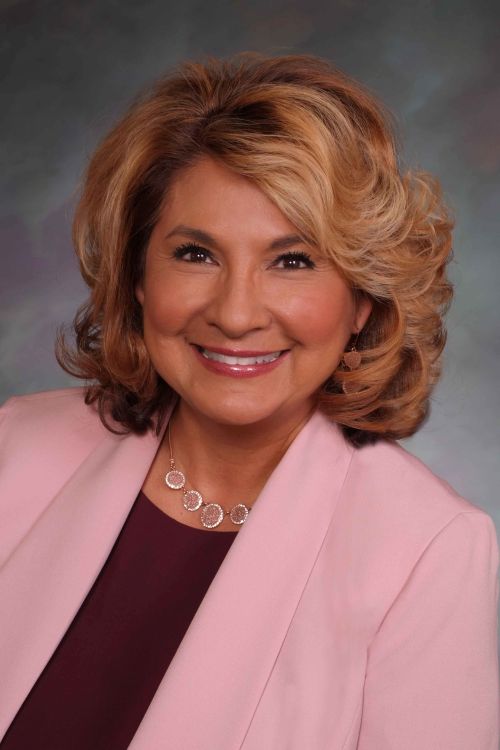
Monica Duran
DDemocratic
P

Nick Hinrichsen
DDemocratic
P
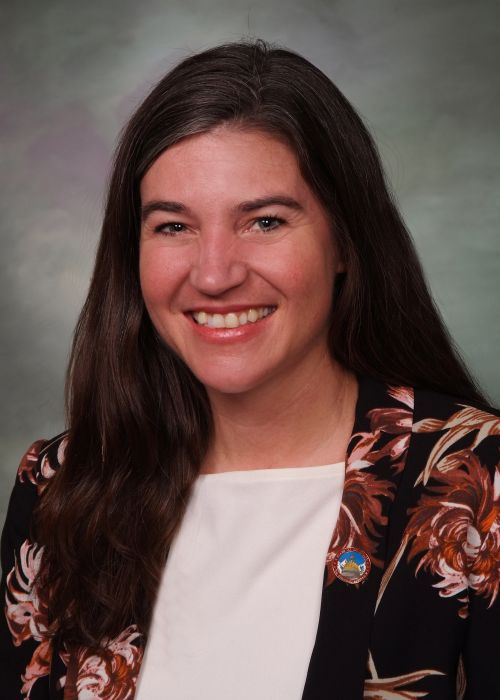
Rebekah Stewart
DDemocratic
P
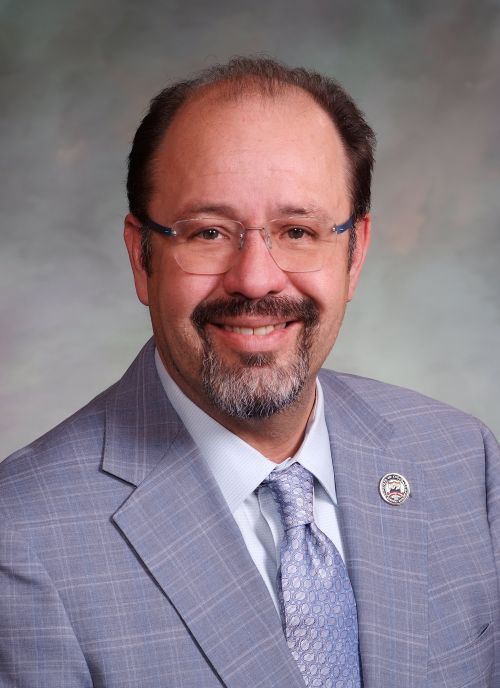
Robert Rodriguez
DDemocratic
P
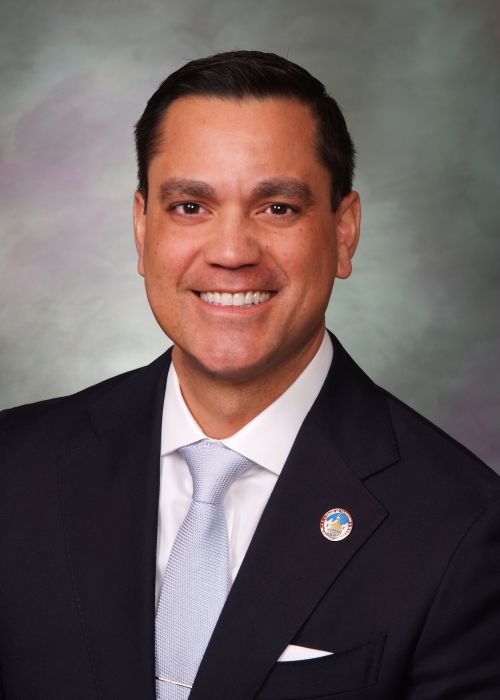
Sean Camacho
DDemocratic
P
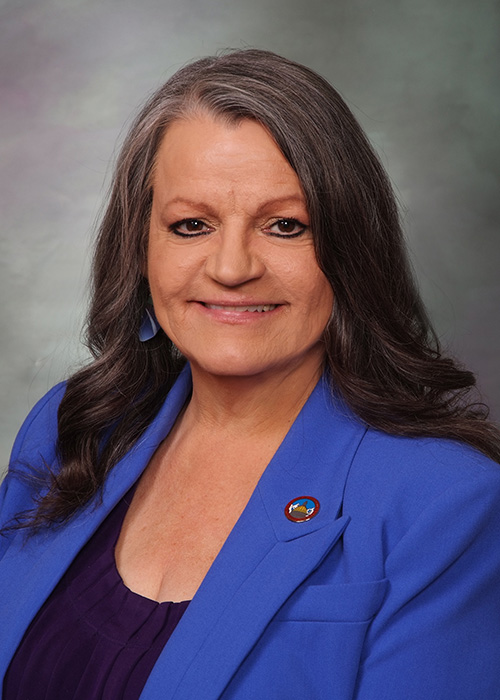
Sheila Lieder
DDemocratic
P
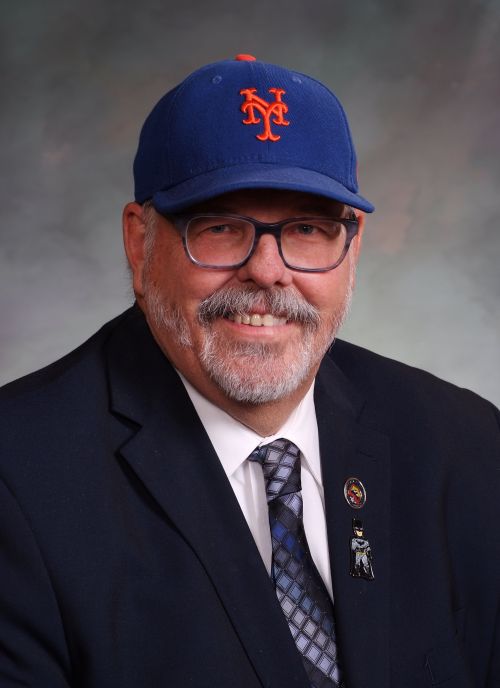
Tom Sullivan
DDemocratic
P
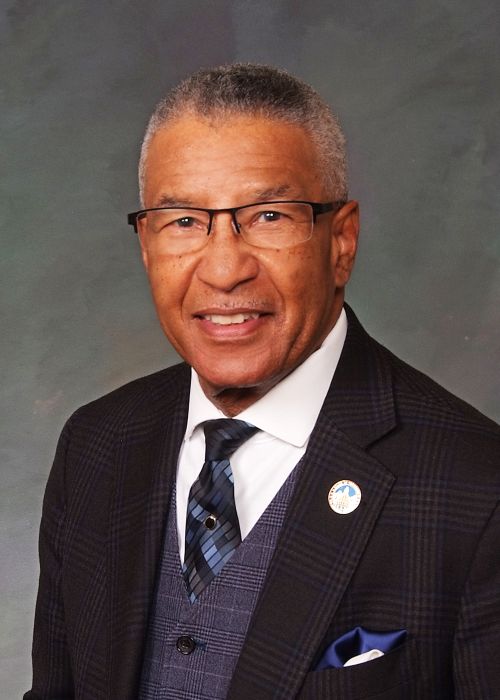
Tony Exum
DDemocratic
P
William Lindstedt
DDemocratic
Co
Cecelia Espenoza
DDemocratic
Co
Chad Clifford
DDemocratic
Co
Jamie Jackson
DDemocratic
Co
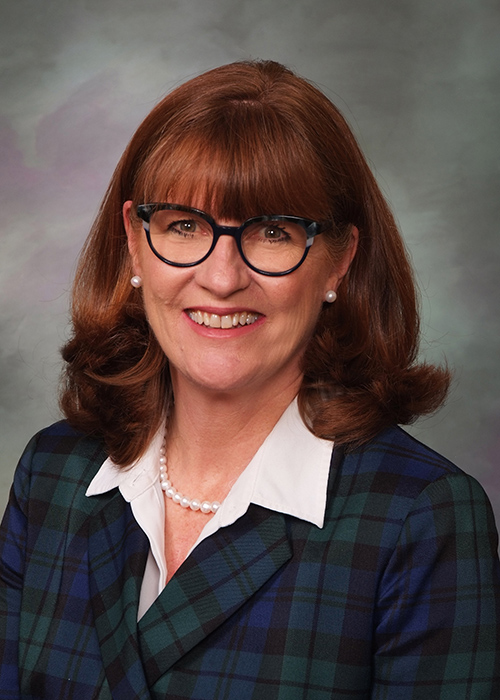
Julie McCluskie
DDemocratic
Co
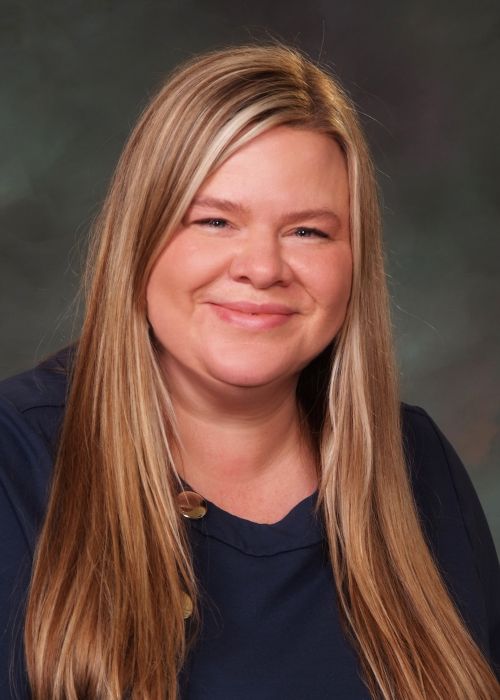
Katie Stewart
DDemocratic
Co
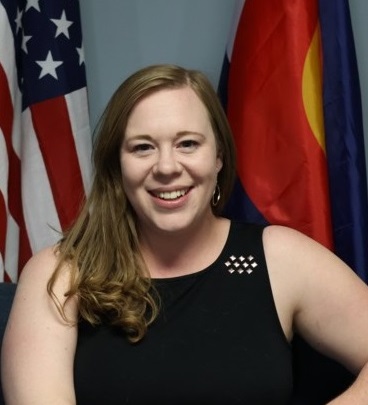
Katie Wallace
DDemocratic
Co
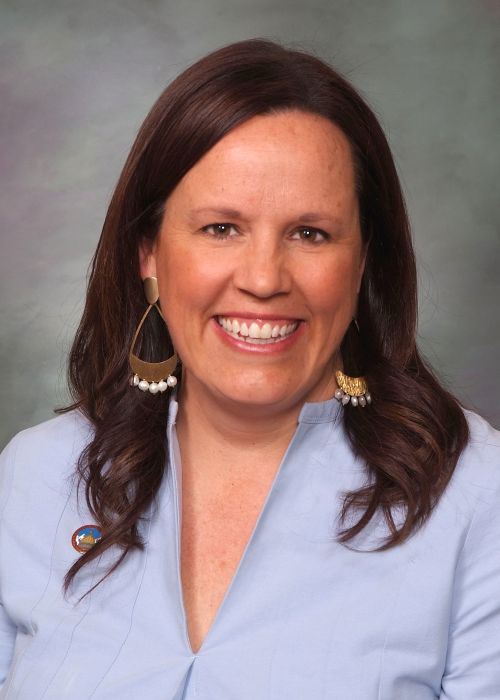
Lindsay Gilchrist
DDemocratic
Co
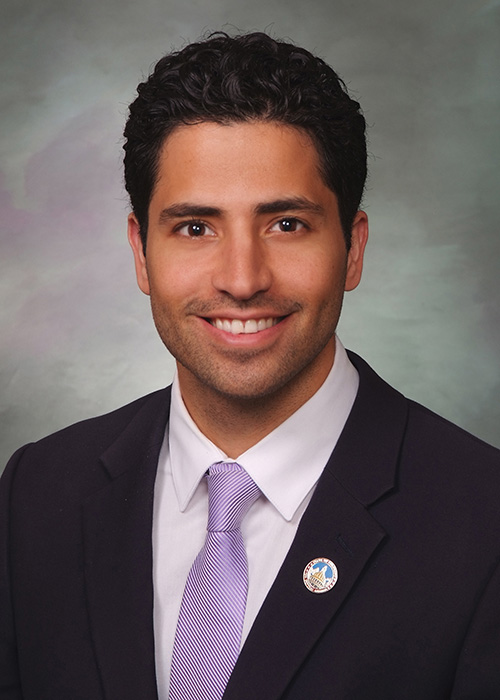
Manny Rutinel
DDemocratic
Co
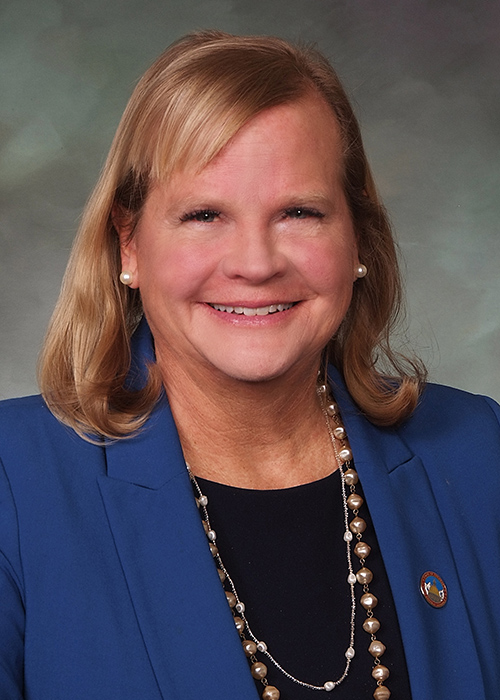
Meg Froelich
DDemocratic
Co
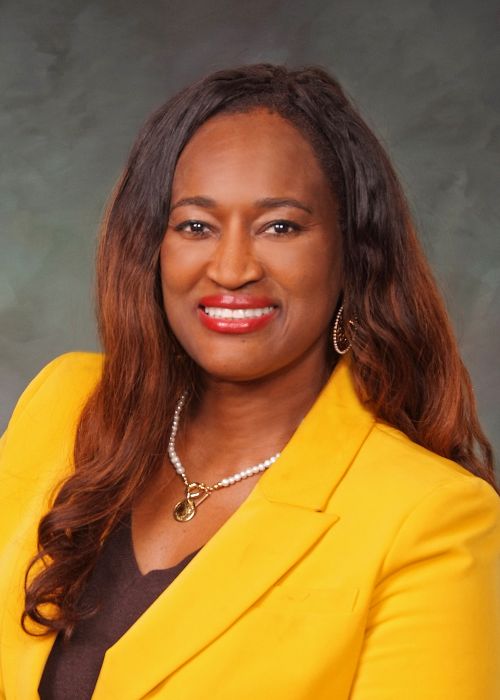
Naquetta Ricks
DDemocratic
Ask Maddy
·
AI policy assistant
Ask Maddy about SB 135
Scope: CO
Hi! I can help you understand SB 135. What would you like to know?
Try one of these
i
Maddy answers using official bill text and legislative records. Always verify before sharing.
Sources cited inline