

Payment Card Networks' Fees
Summary
An interchange fee is a fee established, charged, or received by a payment card network for the purpose of compensating an issuer for its involvement in an electronic payment transaction. The act states that a payment card network shall not, whether directly or indirectly:Establish, charge, or include in a fee schedule an interchange fee if:The interchange fee is or includes a percentage multiplied by the gross dollar amount of a transaction conducted with a debit card or credit card; andThe fee does not exclude from the gross dollar amount of the transaction any amount attributable to a tax on the transaction; orIncrease the rate or amount of fees that apply to the nontax portion of a transaction in an attempt to, or in a manner that would, circumvent the prohibition on interchange fees established by the act. The act exempts electronic payment transactions involving a debit card or credit card issued by a person, or agent of a person, that issues a debit card or credit card to a cardholder (issuer) that:Did not, during any point in the previous calendar year, hold consolidated worldwide banking and nonbanking assets, including assets of affiliates, other than trust assets under management, of more than $60 billion; orAs of February 1, 2026, had contracted to brand the card with the brand of a financial institution chartered or authorized to do business in this state that did not, during any point in the previous calendar year, hold consolidated worldwide banking and nonbanking assets, including assets of affiliates, other than trust assets under management, of more than $60 billion.An issuer that satisfies either of these exemption descriptions must identify to a payment card network all of the issuer's debit cards and credit cards that are used for exempted transactions. The payment card network shall not, whether directly or indirectly through an agent, contract, requirement, condition, penalty, technological specification, or inducement or otherwise:Deny such a card access to transaction processing systems; orImpose any fee increase or penalty on the issuer or on a financial institution branded on the card for any costs of upgrades or configurations to payment and processing systems that may be necessary to comply with the act with respect to such cards. If a payment card network violates the act's prohibitions, a merchant, consumer, or other person that is injured as a result of the violation may bring a civil action against the payment card network. The act sets forth the penalties to be awarded in such an action. For the 2026-27 state fiscal year and each state fiscal year thereafter, the act requires each retail business that has more than 500 employees statewide on the effective date of the act to apply any savings resulting from the act to reducing prices for consumers or investing in employee wages or benefits.(Note: This summary applies to this bill as enacted.)
Bill status
vetoed
4 of 5 stages cleared
Introduction
Mar 2026
Committee Review
May 2026
Senate Passage
May 2026
House Passage
May 2026
Vetoed
Jun 2026
Introduced Mar 4, 2026
Vetoed Jun 3, 2026
Maddy AI version diff · 5 comparisons
What changed between versions
Rerevised
→
Final Act
·
4 edits
·
May 21, 2026
MODERATE
This bill updates the formatting and official status of SB 134, marking it as a final act ready for signatures rather than a draft. The substantive policy content regarding interchange fee prohibitions remains consistent, though the text is reorganized for clarity. The bill prohibits payment card networks from charging percentage-based interchange fees on debit and credit card transactions, with specific exemptions for smaller financial institutions.
Scope change
The bill's scope and applicability remain unchanged; the text reflects a transition from a draft version to the final enacted version.
TECHNICAL
Removed draft headers (e.g., 'Rerevised', '3rd Reading Unamended') and replaced them with final act language indicating the bill is prepared for signatures.
Reorganized the layout of sponsor lists and bill titles to conform to final act formatting standards.
Consolidated and clarified the definitions section and prohibited conduct clauses, removing redundant explanatory notes found in the draft version.
Added a note instructing readers to consult legislative status sheets to verify the Governor's final action on the bill.
Floor votes · House May 6, 2026
How they voted
This bill passed the Senate by voice vote (no roll call recorded).
Full legislative history
Actions timeline
Total actions
35
Key actions
6
Committee
2
Jun 3, 2026
Vetoed
Governor Vetoed
executive
May 22, 2026
Lower · Passed
Signed by the Speaker of the House
lower
May 22, 2026
Upper · Passed
Signed by the President of the Senate
upper
May 6, 2026
Lower · Passed
House Third Reading Passed - No Amendments
lower
May 4, 2026
Lower · Passed
House Committee on Finance Refer Unamended to House Committee of the Whole
lower
May 1, 2026
Introduced
Introduced In House - Assigned to Finance
lower
Apr 29, 2026
Upper · Passed
Senate Third Reading Passed - No Amendments
upper
Mar 12, 2026
Upper · Passed
Senate Committee on Business, Labor, & Technology Refer Unamended to Senate Committee of the Whole
upper
Mar 4, 2026
Introduced
Introduced In Senate - Assigned to Business, Labor, & Technology
upper
16 primary · 6 co-sponsors
Sponsors
Role
Legislator
Party
State
District
P

Dylan Roberts
DDemocratic
P

Iman Jodeh
DDemocratic
P

Jenny Willford
DDemocratic
P

Judy Amabile
DDemocratic
P

Julie McCluskie
DDemocratic
P

Kenny Nguyen
DDemocratic
P

Kyle Brown
DDemocratic
P

Lesley Smith
DDemocratic
P
LG
Lorena García
DDemocratic
P

Max Brooks
RRepublican
P
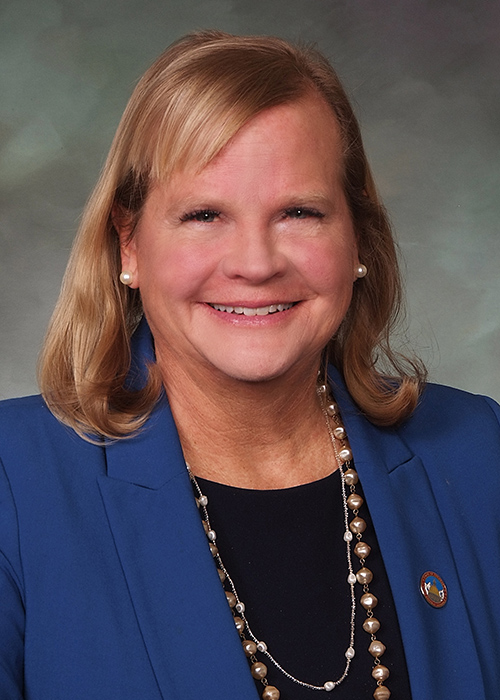
Meg Froelich
DDemocratic
P

Mike Weissman
DDemocratic
P
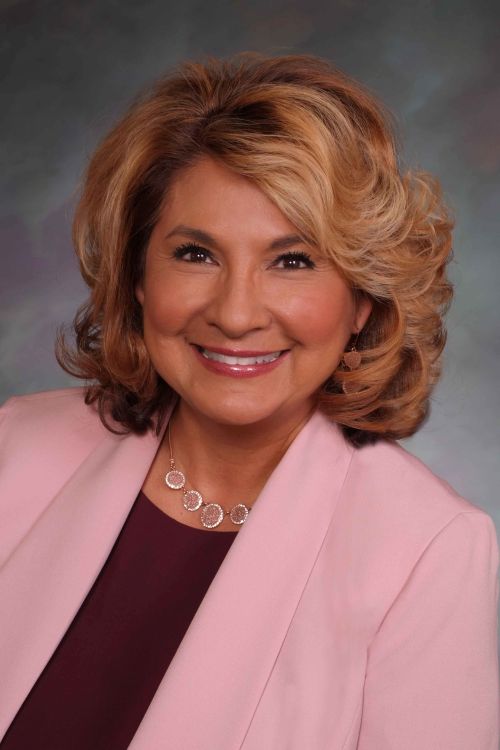
Monica Duran
DDemocratic
P

Steven Woodrow
DDemocratic
P

Tammy Story
DDemocratic
P

William Lindstedt
DDemocratic
Co

Emily Sirota
DDemocratic
Co

Karen McCormick
DDemocratic
Co

Lindsey Daugherty
DDemocratic
Co

Manny Rutinel
DDemocratic
Co

Matt Ball
DDemocratic
Co

Yara Zokaie
DDemocratic
Ask Maddy
·
AI policy assistant
Ask Maddy about SB 134
Scope: CO
Hi! I can help you understand SB 134. What would you like to know?
Try one of these
i
Maddy answers using official bill text and legislative records. Always verify before sharing.
Sources cited inline