

Overtime Threshold for Agricultural Employees
Summary
Beginning January 1, 2027, the act requires an agricultural employer to pay certain agricultural employees overtime pay for time worked in excess of 56 hours in a workweek. The act also increases penalties for an agricultural employer who commits wage theft and repeals the authority of the director of the division of labor standards and statistics to adopt rules concerning overtime pay for agricultural employees.(Note: This summary applies to this bill as enacted.)
Bill status
signed
all 5 stages cleared
Introduction
Feb 2026
Committee Review
Apr 2026
Senate Passage
Apr 2026
House Passage
Apr 2026
Signed into Law
May 2026
Introduced Feb 24, 2026
Signed May 4, 2026
Maddy AI version diff · 5 comparisons
What changed between versions
Rerevised
→
Final Act
·
4 edits
·
Apr 22, 2026
MODERATE
This bill establishes a new overtime threshold for agricultural employees in Colorado, requiring employers to pay overtime for hours worked beyond 56 in a workweek, down from the previous 60-hour limit. The law also increases fines for employers who willfully fail to pay wages, particularly for repeat offenders, and clarifies definitions for exempt employees such as decision-making managers and family members of owners.
Scope change
The bill expands the scope of overtime protections for agricultural workers by lowering the weekly hour threshold from 60 to 56, while maintaining specific exemptions for open-range livestock production, decision-making managers, and family members of agricultural employer owners.
REQUIREMENT
The overtime threshold for agricultural employees was reduced from 60 hours to 56 hours per workweek, effective January 1, 2027.
ENFORCEMENT
Fines for willful failure to pay wages were increased for agricultural employers with multiple violations, including a $20,000 increase for a third violation within five years and an additional $40,000 if the violation is not remedied within 60 days.
DEFINITION
New definitions were added to clarify who qualifies as a 'decision-making manager' and 'family member' for the purpose of overtime exemptions.
ELIGIBILITY
Exemptions from overtime requirements were explicitly maintained for employees primarily engaged in open-range livestock production, decision-making managers, and family members of agricultural employer owners.
Floor votes
How they voted
This bill passed the Senate by voice vote (no roll call recorded).
Full legislative history
Actions timeline
Total actions
16
Key actions
7
Committee
2
Amendments
3
May 4, 2026
Signed into law
Governor Signed
executive
Apr 27, 2026
Lower · Passed
Signed by the Speaker of the House
lower
Apr 27, 2026
Upper · Passed
Signed by the President of the Senate
upper
Apr 17, 2026
Introduced
Senate Considered House Amendments - Result was to Pass
upper
Apr 17, 2026
Introduced
Senate Considered House Amendments - Result was to Reconsider
upper
Apr 17, 2026
Introduced
Senate Considered House Amendments - Result was to Concur - Repass
upper
Apr 16, 2026
Lower · Passed
House Third Reading Passed - No Amendments
lower
Apr 6, 2026
Lower · Passed
House Committee on Agriculture, Water & Natural Resources Refer Unamended to House Committee of the Whole
lower
Mar 25, 2026
Introduced
Introduced In House - Assigned to Agriculture, Water & Natural Resources
lower
Mar 25, 2026
Upper · Passed
Senate Third Reading Passed - No Amendments
upper
Mar 19, 2026
Upper · Passed
Senate Committee on Business, Labor, & Technology Refer Amended to Senate Committee of the Whole
upper
Feb 24, 2026
Introduced
Introduced In Senate - Assigned to Business, Labor, & Technology
upper
5 primary · 29 co-sponsors
Sponsors
Role
Legislator
Party
State
District
P
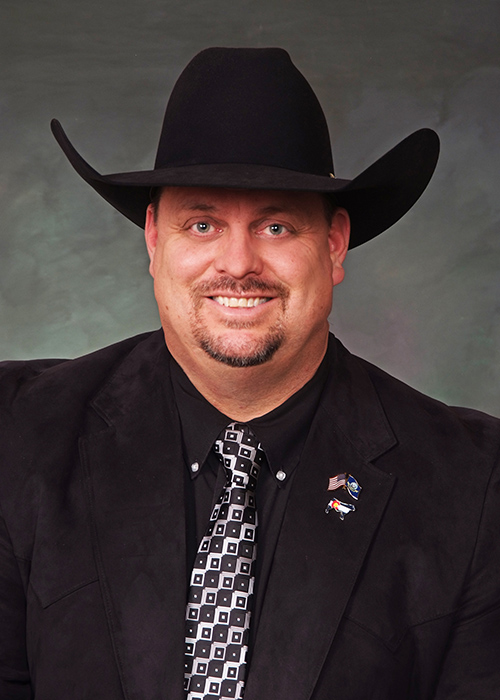
Byron Pelton
RRepublican
P
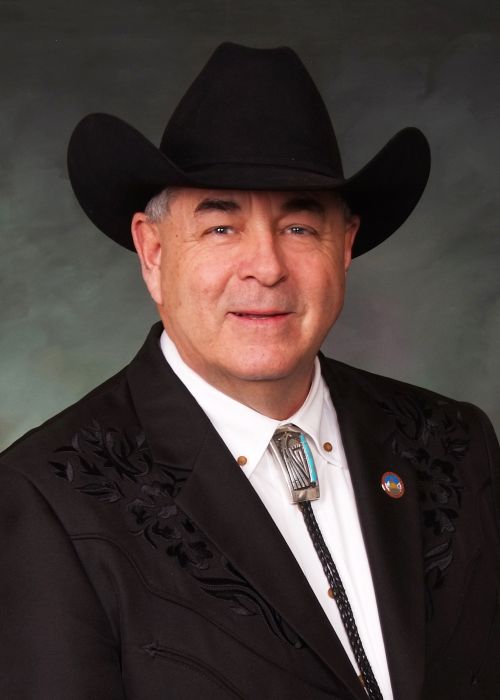
Cleave Simpson
RRepublican
P
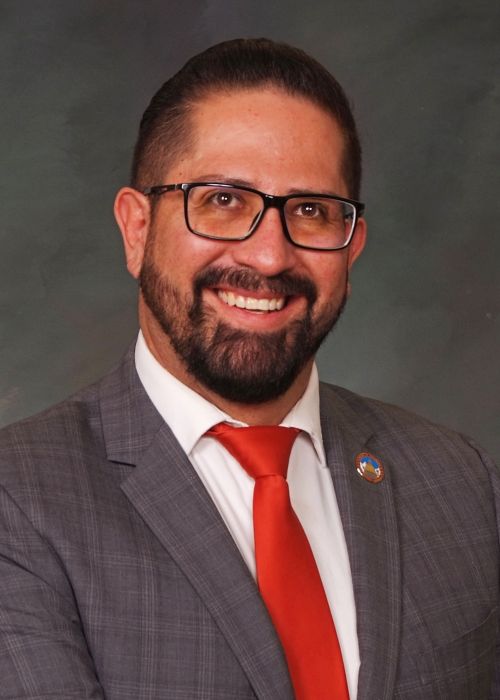
Matt Martinez
DDemocratic
P
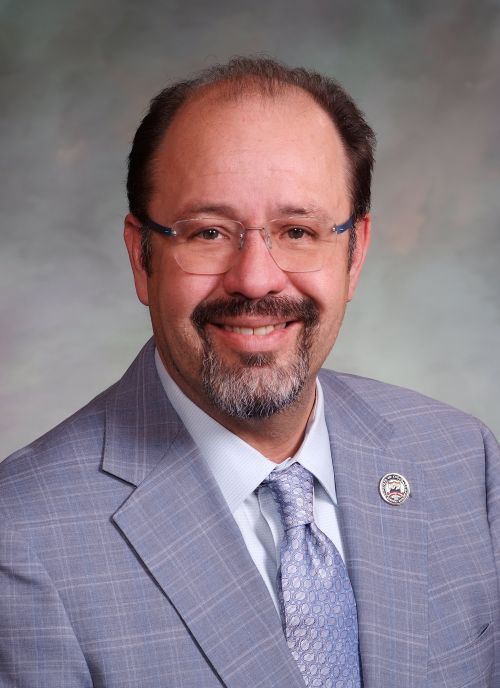
Robert Rodriguez
DDemocratic
P
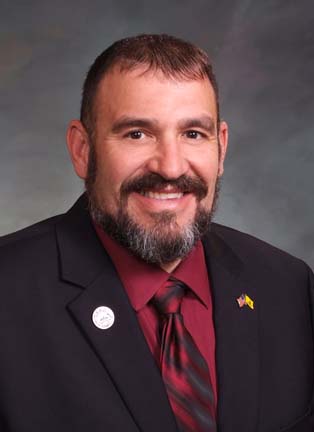
Ty Winter
RRepublican
Co
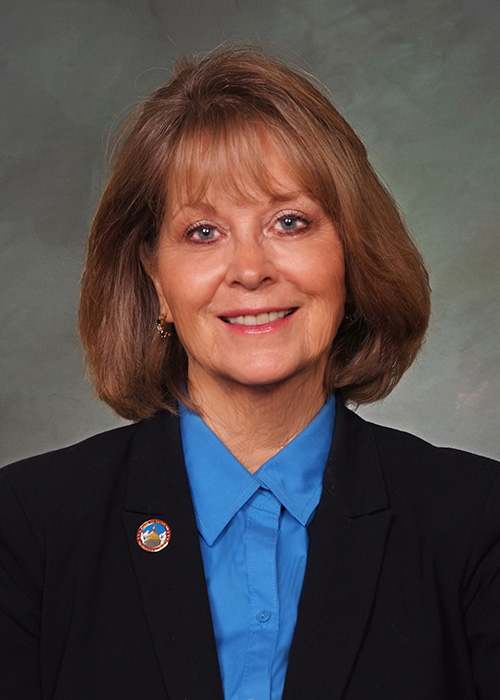
Barbara Kirkmeyer
RRepublican
Co
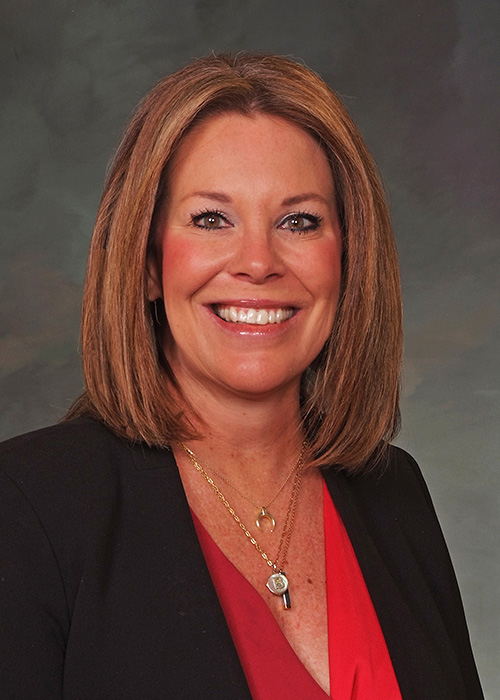
Brandi Bradley
RRepublican
Co
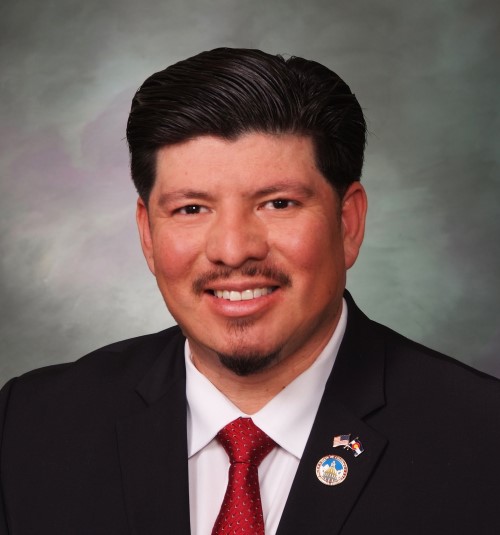
Carlos Barron
RRepublican
Co
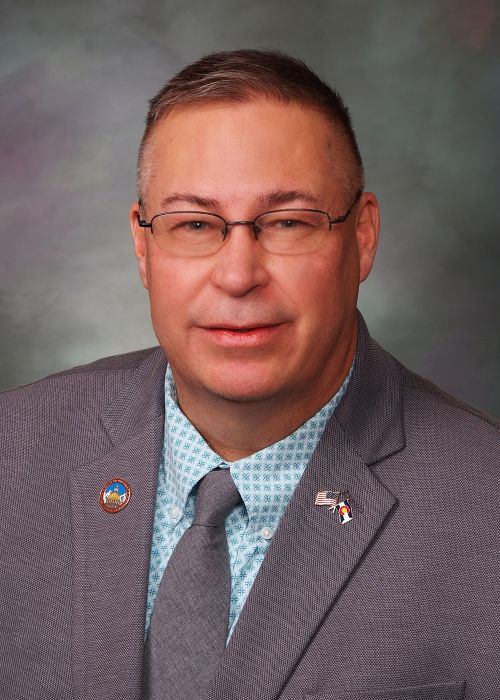
Chris Richardson
RRepublican
Co

Dan Woog
RRepublican
Co
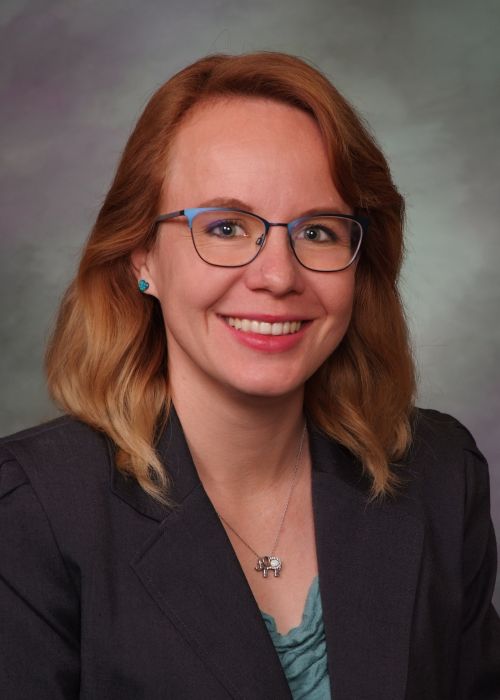
Dusty Johnson
RRepublican
Co
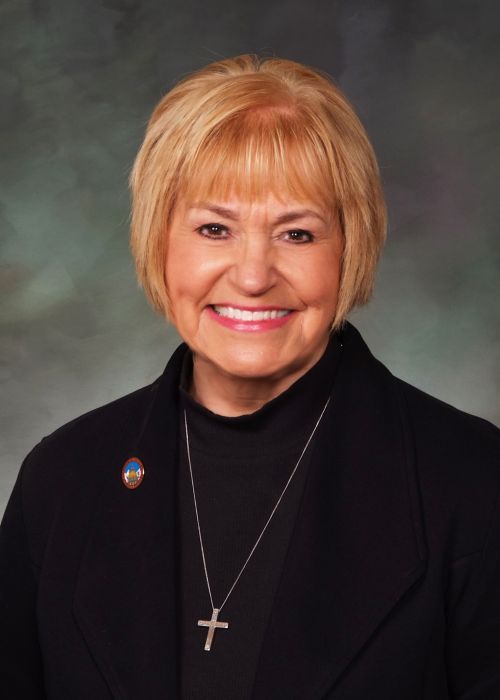
Janice Rich
RRepublican
Co
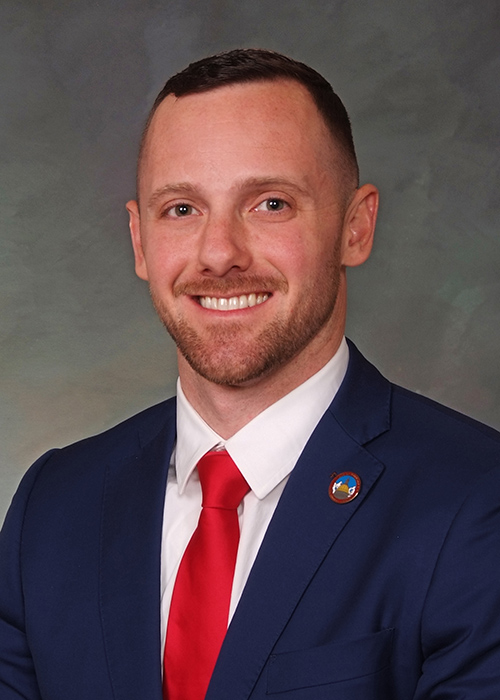
Jarvis Caldwell
RRepublican
Co
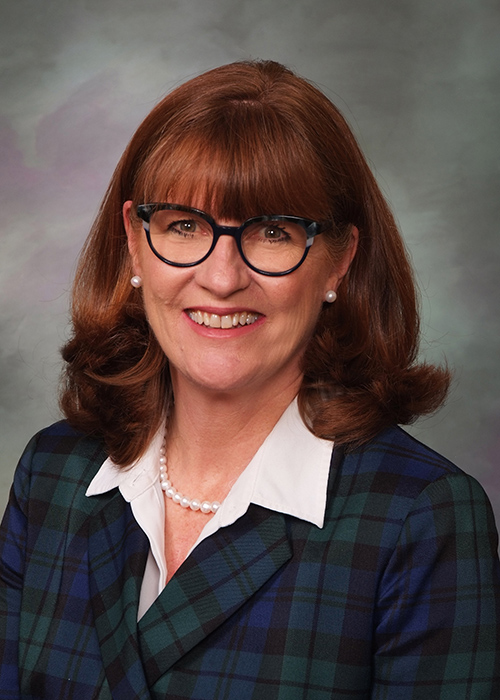
Julie McCluskie
DDemocratic
Co
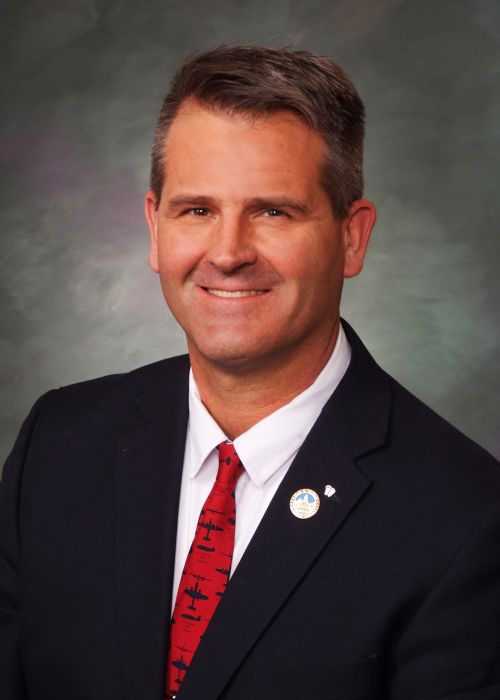
Ken DeGraaf
RRepublican

Ask Maddy
·
AI policy assistant
Ask Maddy about SB 121
Scope: CO
Hi! I can help you understand SB 121. What would you like to know?
Try one of these
i
Maddy answers using official bill text and legislative records. Always verify before sharing.
Sources cited inline