

Compensable Losses for Tribal Members
Summary
The act allows persons who are indigenous to receive compensation for traditional Native American healing ceremonies and practices and related expenses under the 'Colorado Crime Victim Compensation Act', which includes:Traditional counseling and healing from an elder or spiritual healer;Traditional ceremonial practices;Ceremonial burials, including clothing for the deceased, meals, and other related expenses;Child care during burial ceremonies;Reimbursement for honoraria provided in connection with ceremonial services; andReasonable travel expenses related to the traditional Native American healing ceremonies and practices.(Note: This summary applies to this bill as enacted.)
Bill status
signed
all 5 stages cleared
Introduction
Jan 2026
Committee Review
Mar 2026
Senate Passage
May 2026
House Passage
May 2026
Signed into Law
May 2026
Introduced Jan 14, 2026
Signed May 29, 2026
Maddy AI version diff · 5 comparisons
What changed between versions
Rerevised
→
Final Act
·
3 edits
·
May 20, 2026
MINOR
This bill amends the Colorado Crime Victim Compensation Act to explicitly include expenses for traditional Native American healing ceremonies and practices for Indigenous victims. It expands coverage to include specific cultural activities such as counseling from elders, ceremonial burials, child care during ceremonies, and honoraria for ceremonial services, as well as travel expenses related to these events.
Scope change
The bill expands the scope of compensable losses under the Victim Compensation Act to include cultural and spiritual practices specific to Indigenous peoples, which were previously not explicitly listed.
SCOPE
Added new subsections to the statute listing specific compensable expenses for traditional Native American healing ceremonies, including counseling from elders, ceremonial practices, burial costs, child care, and honoraria.
ELIGIBILITY
Extended eligibility for these specific cultural compensation benefits to victims who are Indigenous as defined by state law.
REQUIREMENT
Added a requirement that travel expenses related to these ceremonies must be for Indigenous victims to qualify under the new subsection.
Floor votes
How they voted
This bill passed the Senate by voice vote (no roll call recorded).
Full legislative history
Actions timeline
Total actions
15
Key actions
7
Committee
2
Amendments
1
May 29, 2026
Signed into law
Governor Signed
executive
May 21, 2026
Lower · Passed
Signed by the Speaker of the House
lower
May 21, 2026
Upper · Passed
Signed by the President of the Senate
upper
May 7, 2026
Introduced
Senate Considered House Amendments - Result was to Concur - Repass
upper
May 4, 2026
Lower · Passed
House Third Reading Passed with Amendments - Floor
lower
Mar 4, 2026
Lower · Passed
House Committee on Judiciary Refer Amended to House Committee of the Whole
lower
Feb 11, 2026
Introduced
Introduced In House - Assigned to Judiciary
lower
Feb 10, 2026
Upper · Passed
Senate Third Reading Passed - No Amendments
upper
Feb 4, 2026
Upper · Passed
Senate Committee on Judiciary Refer Unamended - Consent Calendar to Senate Committee of the Whole
upper
Jan 14, 2026
Introduced
Introduced In Senate - Assigned to Judiciary
upper
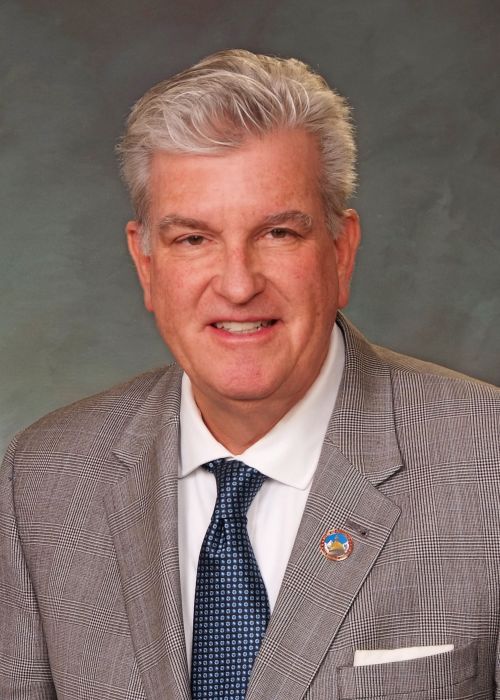
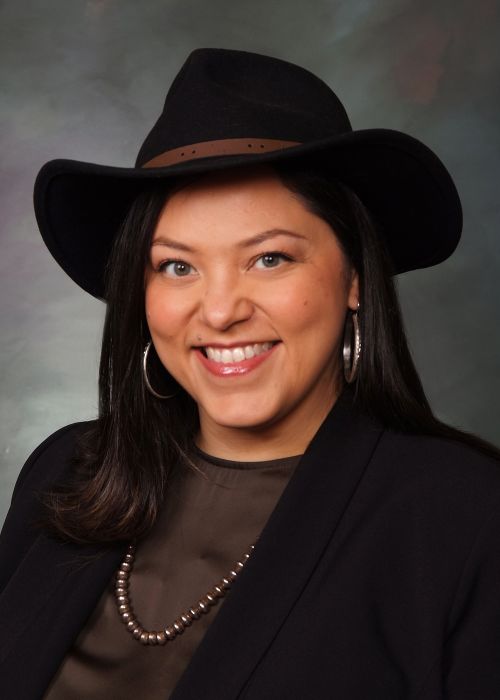
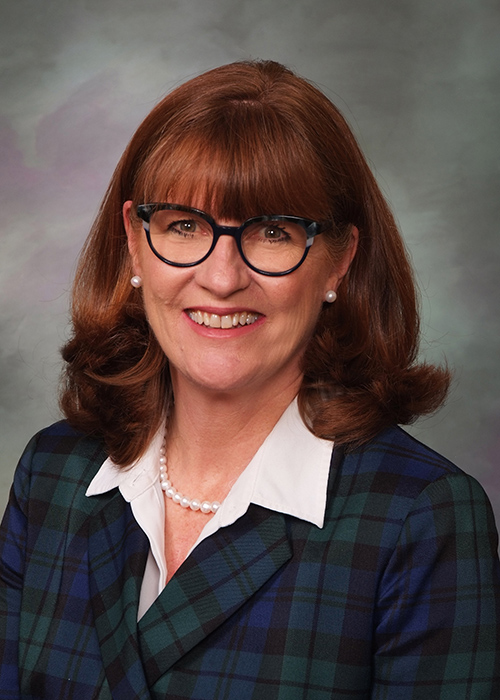
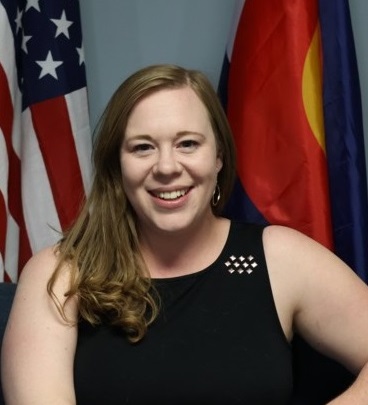
2 primary · 41 co-sponsors
Sponsors
Role
Legislator
Party
State
District
P
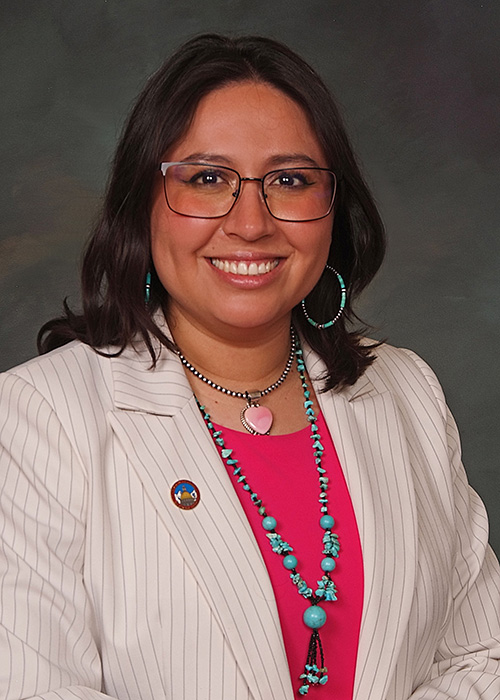
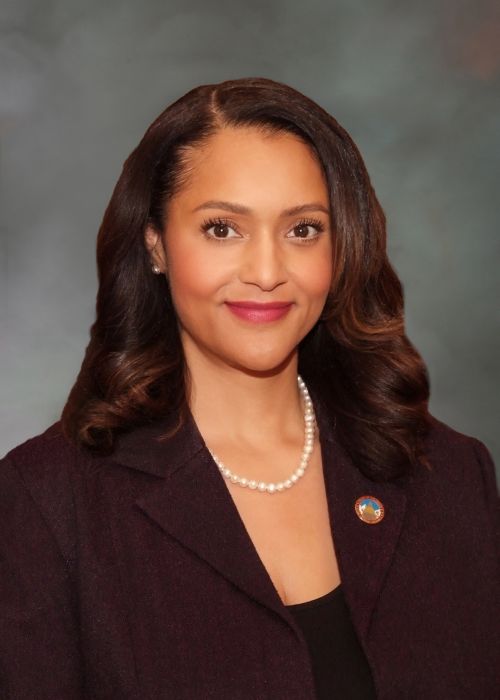
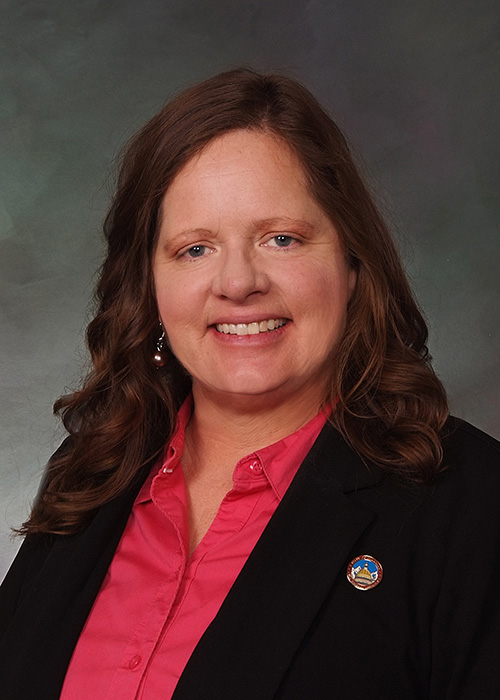
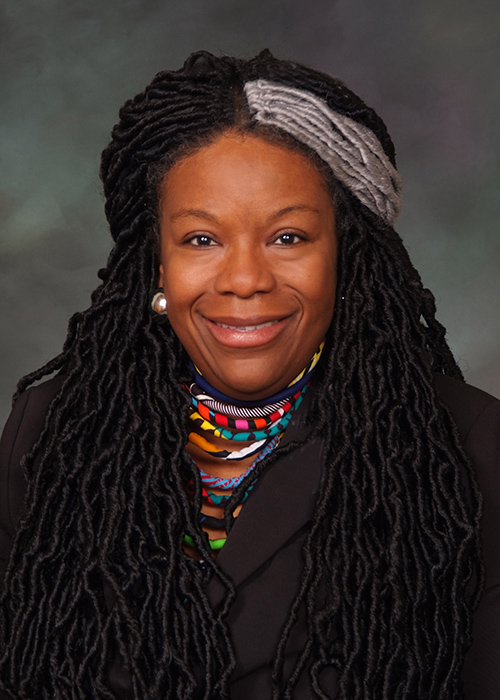
Elizabeth Velasco
DDemocratic
P
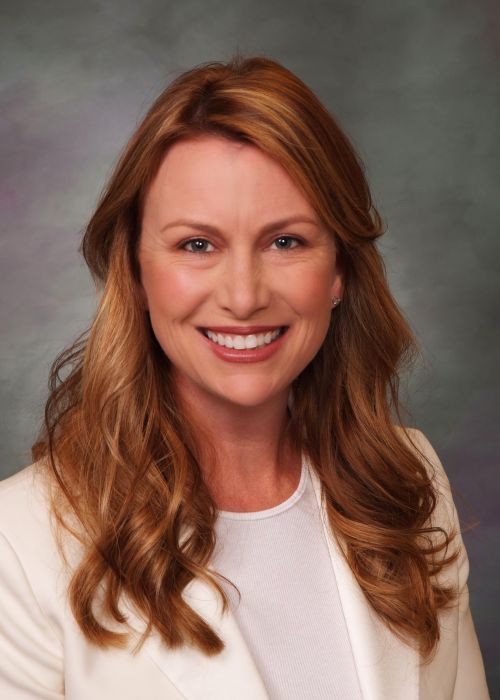
Jessie Danielson
DDemocratic
Co
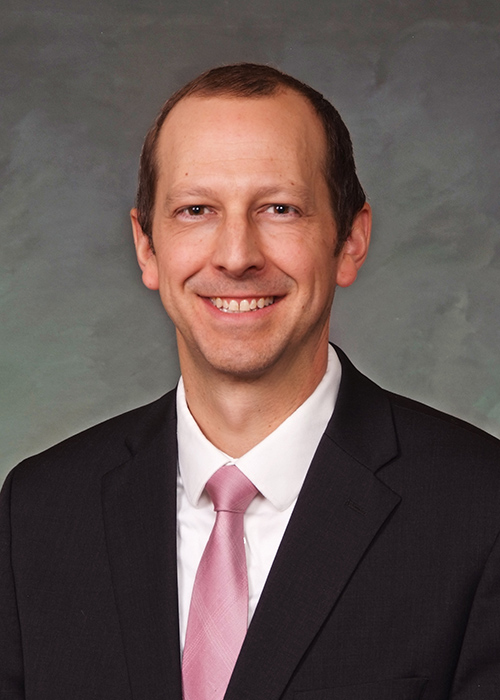
Andy Boesenecker
DDemocratic
Co
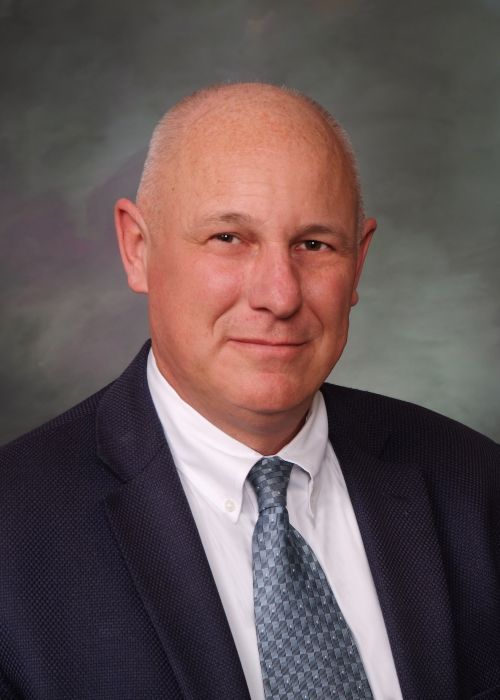
Bob Marshall
DDemocratic
Co
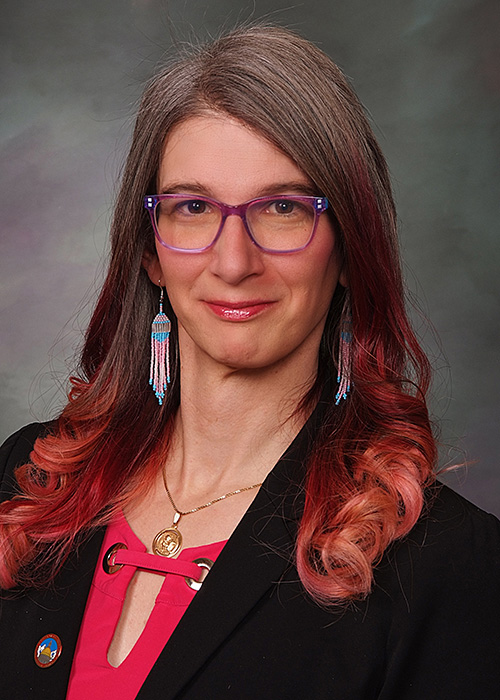
Brianna Titone
DDemocratic
Co
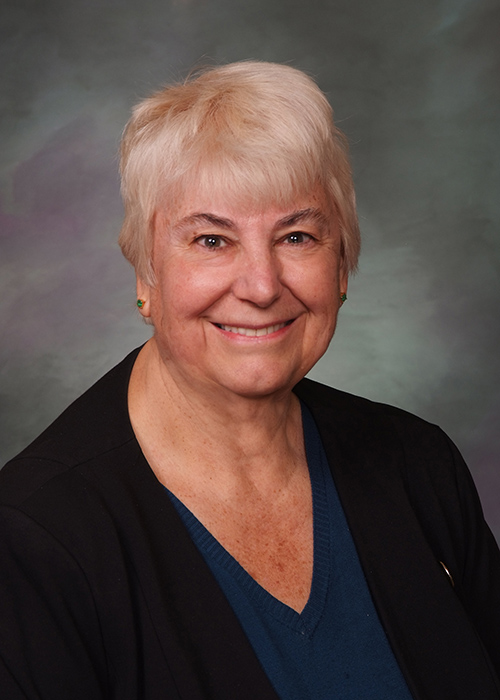
Cathy Kipp
DDemocratic
Co
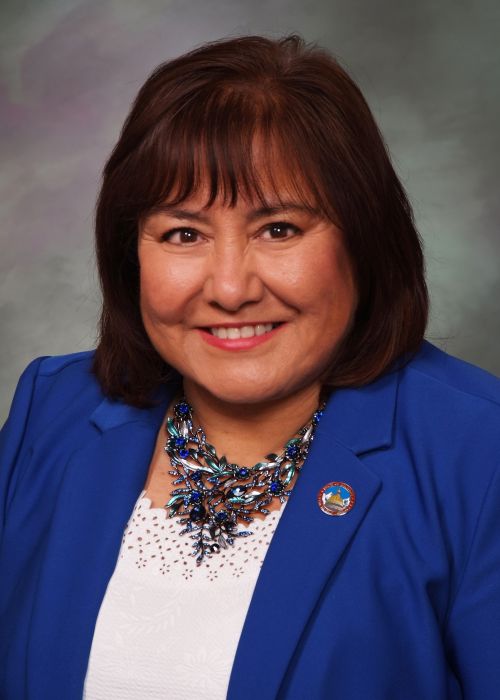
Cecelia Espenoza
DDemocratic
Co
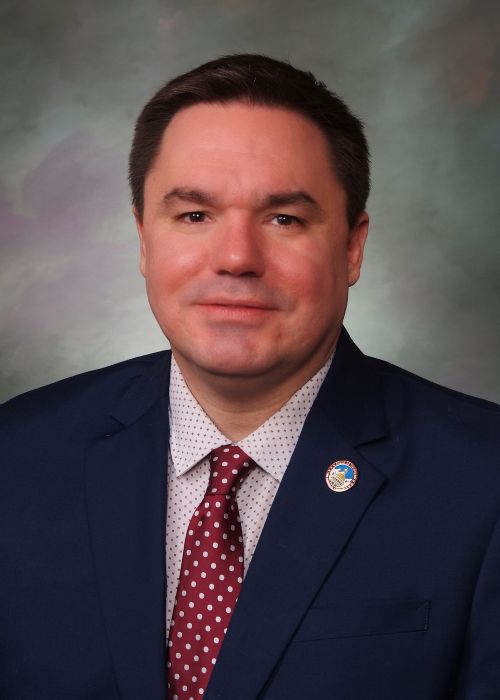
Chad Clifford
DDemocratic
Co
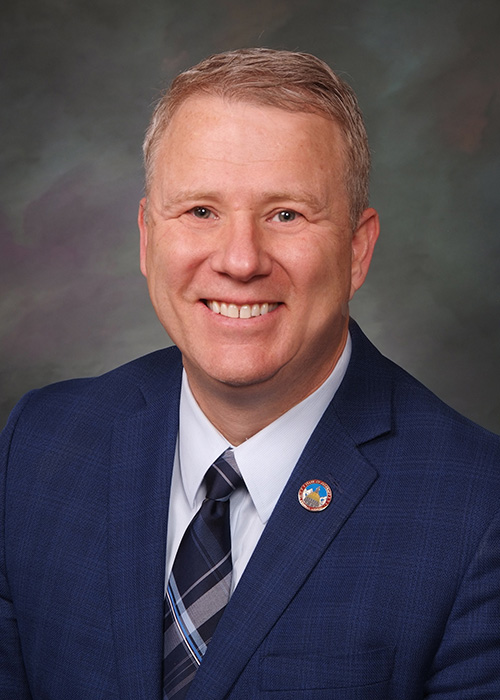
Chris Kolker
DDemocratic
Co
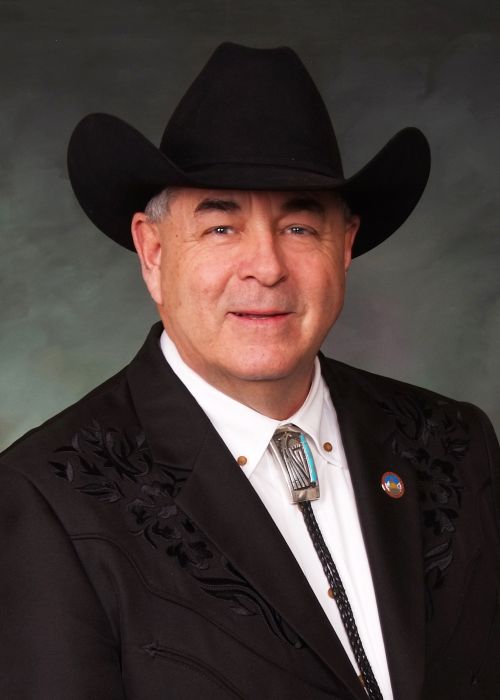
Cleave Simpson
RRepublican
Co
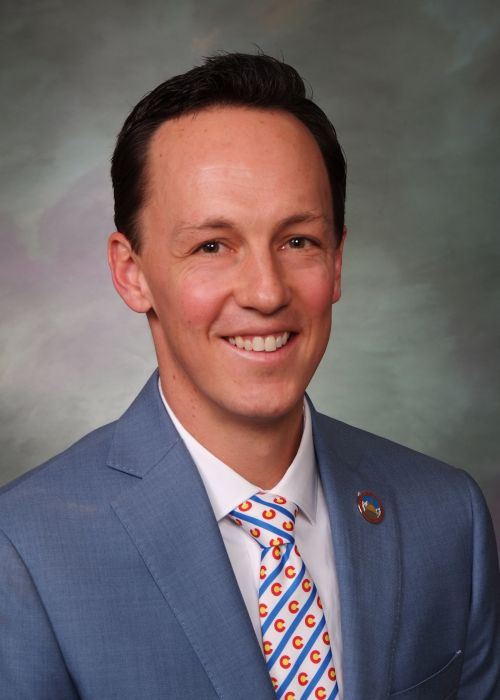
Dylan Roberts
DDemocratic
Co
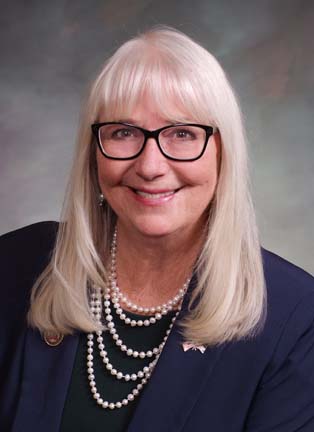
Eliza Hamrick
DDemocratic
Ask Maddy
·
AI policy assistant
Ask Maddy about SB 12
Scope: CO
Hi! I can help you understand SB 12. What would you like to know?
Try one of these
i
Maddy answers using official bill text and legislative records. Always verify before sharing.
Sources cited inline