SB 110 Colorado Senate · 2026 Regular Session

Revised Public Assistance Final Disposition Expense Terms

Summary
The act changes the term 'death reimbursement' to 'death benefit' and changes the term 'maximum death reimbursement' to 'combined reasonable charges' related to county payments for the reasonable funeral expenses or reasonable final disposition expenses of a deceased public assistance or medical assistance recipient if the decedent's estate is insufficient to pay and the persons legally responsible for the support of the deceased are unable to pay the reasonable expenses.(Note: This summary applies to this bill as enacted.)
Bill status signed all 5 stages cleared
Introduction
Feb 2026
Committee Review
Mar 2026
Senate Passage
Apr 2026
House Passage
Apr 2026
Signed into Law
Apr 2026
Introduced Feb 11, 2026 Signed Apr 20, 2026
Maddy AI version diff · 5 comparisons

What changed between versions

Rerevised Final Act · 6 edits · Mar 26, 2026
MODERATE
This bill updates the Colorado statute governing funeral and final disposition expenses for public assistance recipients. It standardizes terminology by replacing 'death reimbursement' with 'death benefit' and clarifies that the maximum allowable charge is $2,500. The changes also introduce new rules requiring legally responsible family members to contribute financially if their resources exceed federal Supplemental Security Income limits, while protecting their home and certain other assets from being counted as resources.
Scope change
The bill's scope remains focused on public assistance and medical assistance recipients, but the applicability of the financial contribution requirement has been expanded to include family members with resources above specific federal thresholds.
DEFINITION

Replaced the term 'death reimbursement' with 'death benefit' throughout the statute to align with current terminology.

Clarified the definition of 'maximum combined charges' to explicitly state the $2,500 cap and specify that contributions from non-responsible persons count toward this limit.

Added specific rules defining what counts as 'resources' for family members, explicitly excluding the survivor's home and other assets protected by state rules.

Clarified that Social Security lump-sum death benefits paid to a family member are not automatically deducted from the maximum allowable charges.

REQUIREMENT

Added a new requirement for legally responsible family members to contribute financially toward funeral costs if their resources exceed federal Supplemental Security Income limits.

FISCAL

Updated reimbursement rules to reflect the new 'death benefit' terminology and clarified the state's reimbursement percentages for different recipient categories.

Floor votes · House Mar 24, 2026

How they voted

This bill passed the Senate by voice vote (no roll call recorded).
Full legislative history

Actions timeline

Total actions
12
Key actions
7
Committee
2
Apr 20, 2026
Signed into law
Governor Signed
executive
Apr 7, 2026
Lower · Passed
Signed by the Speaker of the House
lower
Apr 7, 2026
Upper · Passed
Signed by the President of the Senate
upper
Mar 24, 2026
Lower · Passed
House Third Reading Passed - No Amendments
lower
Mar 18, 2026
Lower · Passed
House Committee on Health & Human Services Refer Unamended to House Committee of the Whole
lower
Mar 3, 2026
Introduced
Introduced In House - Assigned to Health & Human Services
lower
Mar 3, 2026
Upper · Passed
Senate Third Reading Passed - No Amendments
upper
Feb 25, 2026
Upper · Passed
Senate Committee on Health & Human Services Refer Unamended - Consent Calendar to Senate Committee of the Whole
upper
Feb 11, 2026
Introduced
Introduced In Senate - Assigned to Health & Human Services
upper
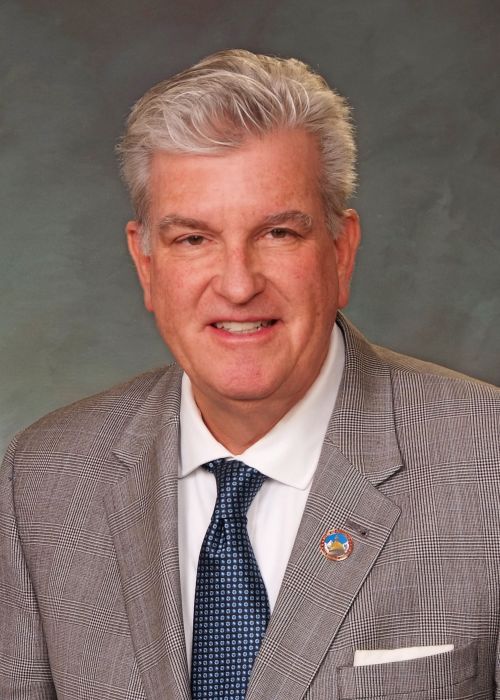
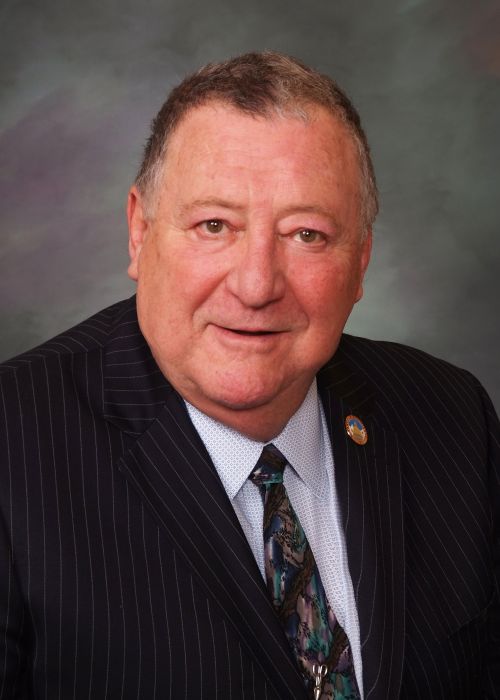
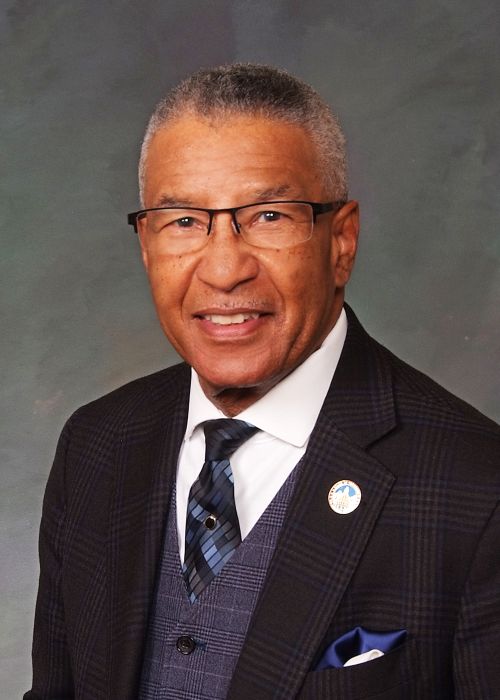
4 primary · 11 co-sponsors

Sponsors