HB 1423 Colorado House · 2026 Regular Session

Community Corrections Budget Request & Data Information

Summary
Beginning in state fiscal year 2027-28, the act requires the department of public safety (department) to submit a budget request for community corrections and to include in its budget request information regarding projected community corrections program needs, including certain data points and analysis related to residential and nonresidential bed capacity, the per diem reimbursement rate for each bed type, and other guideposts related to community corrections appropriations.     The department must include information on the budget request in its yearly 'SMART Act' hearing.(Note: This summary applies to this bill as enacted.)
Bill status signed all 5 stages cleared
Introduction
Apr 2026
Committee Review
May 2026
House Passage
May 2026
Senate Passage
May 2026
Signed into Law
Jun 2026
Introduced Apr 23, 2026 Signed Jun 2, 2026
Maddy AI version diff · 5 comparisons

What changed between versions

Rerevised Final Act · 4 edits · May 26, 2026
MODERATE
This bill was finalized to require the Colorado Department of Public Safety to submit a detailed budget request for community corrections programs. The final version clarifies that the department must explain how requested funding aligns with projected needs and program availability, and it mandates a specific annual report during the 'SMART Act' hearing starting in January 2027.
Scope change
The scope remains focused on the Department of Public Safety's budgeting and reporting for community corrections, but the final act adds specific requirements for explaining funding allocations and tracking differences between projected needs and actual program capacity.
DEFINITION

Added precise definitions for 'Distribution of Offender Populations', 'Program Availability', and 'Projected Need' to standardize how the department calculates and reports data.

REQUIREMENT

Mandated that the budget request must include explanations of how funding relates to projected needs, differences in offender populations across districts, and planned changes to reimbursement rates.

Required the department to present a report during the annual 'SMART Act' hearing starting in January 2027, specifically highlighting gaps between current offender distribution, program availability, and projected needs.

TECHNICAL

Adjusted formatting and sponsorship lists to reflect the final legislative action, including the removal of draft headers and the addition of signatures from the Speaker, Senate President, Chief Clerk, and Governor.

Floor votes

How they voted

This bill passed the Senate by voice vote (no roll call recorded).
Full legislative history

Actions timeline

Total actions
12
Key actions
7
Committee
2
Jun 2, 2026
Signed into law
Governor Signed
executive
May 27, 2026
Upper · Passed
Signed by the President of the Senate
upper
May 27, 2026
Lower · Passed
Signed by the Speaker of the House
lower
May 7, 2026
Upper · Passed
Senate Third Reading Passed - No Amendments
upper
May 6, 2026
Upper · Passed
Senate Committee on Appropriations Refer Unamended - Consent Calendar to Senate Committee of the Whole
upper
May 4, 2026
Introduced
Introduced In Senate - Assigned to Appropriations
upper
May 4, 2026
Lower · Passed
House Third Reading Passed - No Amendments
lower
May 1, 2026
Lower · Passed
House Committee on Appropriations Refer Unamended to House Committee of the Whole
lower
Apr 23, 2026
Introduced
Introduced In House - Assigned to Appropriations
lower
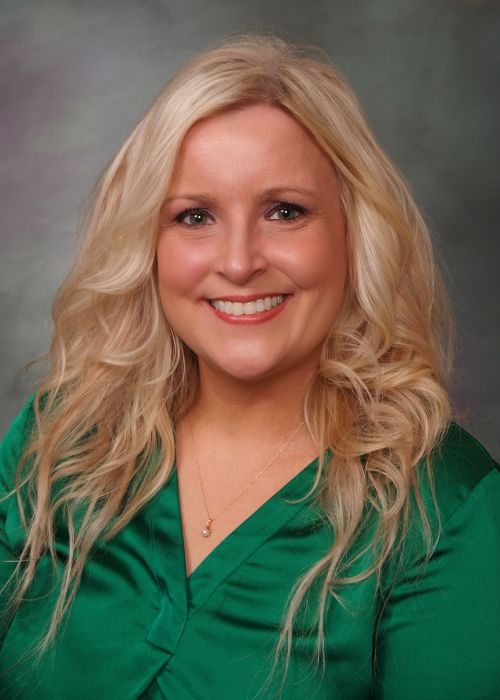
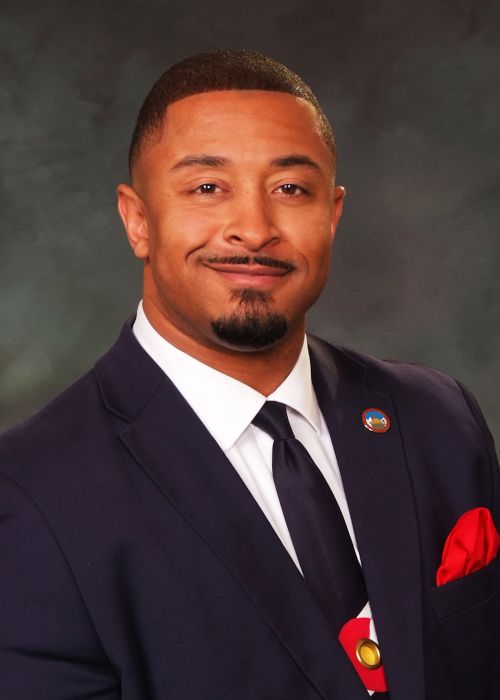
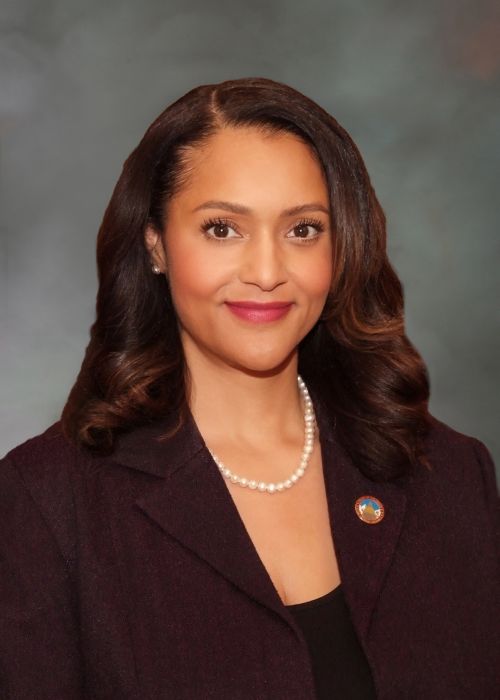
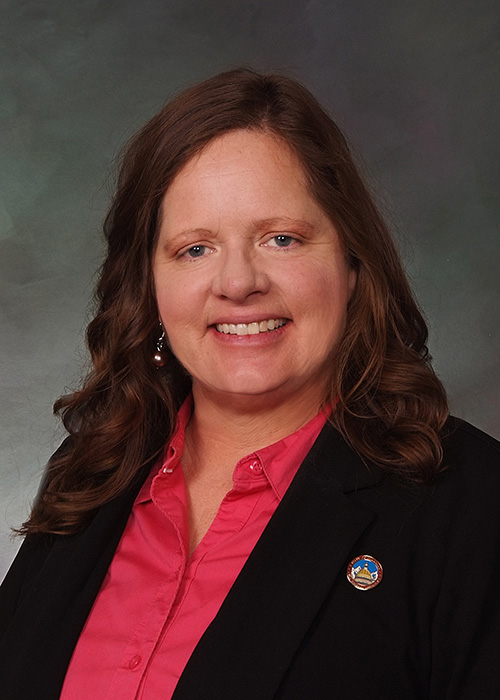
6 primary · 24 co-sponsors

Sponsors