HB 1411 Colorado House · 2026 Regular Session

Changes to Cover All Coloradans Program

Summary
The act limits the benefits pregnant women and children with a certain family household income and citizen or immigration status are eligible for under the state medical assistance program and the medical assistance program.     Eligible pregnant women and children are subject to the following limitations on benefits:Beginning July 1, 2026, there is an annual cap on dental services in the amount of $1,100;Beginning January 1, 2027, behavioral health services offered must be provided on a fee-for-service basis only;Beginning January 1, 2027, services offered through the accountable care collaborative are no longer covered; andBeginning January 1, 2027, managed care services through the medical assistance program are no longer covered.     Beginning January 1, 2027, children under 19 years old whose family household income does not exceed 260% of the federal poverty line, adjusted for family size, and who are not eligible for the medical assistance program due to their immigration status, are not eligible for home- and community-based services, community first choice, long-term home health, private duty nursing, hospice care, and nursing home care unless those children already receive those services on or before December 31, 2026.     Beginning January 1, 2027, the act caps enrollment of children in the state medical assistance program at 25,000 children if either enrollment exceeds 25,000 or the expenditures for a fiscal quarter exceeds one-quarter of the appropriation for state medical assistance plus 5% to account for seasonality fluctuations. If one of the conditions is met, the enrollment cap begins on the first day of the month following 60 days after the department of health care policy and financing (state department) determines that the condition was met.     The act repeals provisions requiring the state department to develop an outreach and enrollment strategy for enrolling eligible groups into new coverage options and repeals the state children's basic health plan.     The act appropriates $3,378,166 from the general fund to the state department to implement the act and reduces appropriations to the state department by $14,202,723 if certain conditions are met.(Note: This summary applies to this bill as enacted.)
Bill status signed all 5 stages cleared
Introduction
Apr 2026
Committee Review
Apr 2026
House Passage
Jun 2026
Senate Passage
Jun 2026
Signed into Law
Jun 2026
Introduced Apr 6, 2026 Signed Jun 4, 2026
Maddy AI version diff · 6 comparisons

What changed between versions

Final Act Signed Act · 7 edits · Jun 4, 2026
MODERATE
This bill creates a new state medical assistance program for low-income children under 19 and pregnant women who are ineligible for standard Medicaid due to immigration status. It establishes specific benefit limitations, such as annual dental caps and exclusions for managed care, and includes enrollment caps to control costs. The legislation also updates outreach requirements to ensure these populations can access the new benefits.
Scope change
The bill expands eligibility to include specific low-income children and pregnant individuals who were previously excluded from state-funded health benefits solely due to immigration status.
ELIGIBILITY

Creates a new state medical assistance program for children under 19 and pregnant women who are not eligible for standard medical assistance due to immigration status.

REQUIREMENT

Imposes an annual cap of $1,100 on dental services for eligible individuals starting July 1, 2026.

Requires behavioral health services to be offered on a fee-for-service basis only starting January 1, 2027.

Excludes eligible individuals from managed care services and certain long-term support services starting January 1, 2027.

Mandates that outreach materials be provided in English, Spanish, and any language spoken by at least 2.5% of a county's population.

FISCAL

Establishes an enrollment cap of 25,000 children for the 2026-27 fiscal year if specific cost or enrollment thresholds are met.

TECHNICAL

Corrects various formatting errors, spacing issues, and typos found in the original draft text.

Floor votes

How they voted

This bill passed the Senate by voice vote (no roll call recorded).
Full legislative history

Actions timeline

Total actions
17
Key actions
10
Committee
5
Jun 4, 2026
Signed into law
Governor Signed
executive
Jun 3, 2026
Upper · Passed
Signed by the President of the Senate
upper
Jun 3, 2026
Lower · Passed
Signed by the Speaker of the House
lower
Apr 28, 2026
Lower · Passed
House Consideration of First Conference Committee Report result was to Adopt Committee Report - Repass
lower
Apr 28, 2026
Upper · Passed
Senate Consideration of First Conference Committee Report result was to Adopt Committee Report - Repass
upper
Apr 17, 2026
Lower · Passed
House Considered Senate Amendments - Result was to Not Concur - Request Conference Committee
lower
Apr 16, 2026
Upper · Passed
Senate Third Reading Passed - No Amendments
upper
Apr 14, 2026
Upper · Passed
Senate Committee on Appropriations Refer Amended to Senate Committee of the Whole
upper
Apr 13, 2026
Introduced
Introduced In Senate - Assigned to Appropriations
upper
Apr 11, 2026
Lower · Passed
House Third Reading Passed with Amendments - Floor
lower
Apr 7, 2026
Lower · Passed
House Committee on Appropriations Refer Unamended to House Committee of the Whole
lower
Apr 6, 2026
Introduced
Introduced In House - Assigned to Appropriations
lower
5 primary · 29 co-sponsors

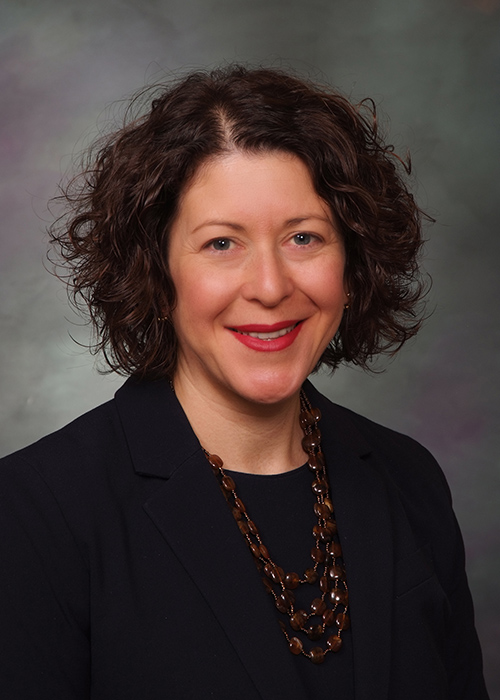
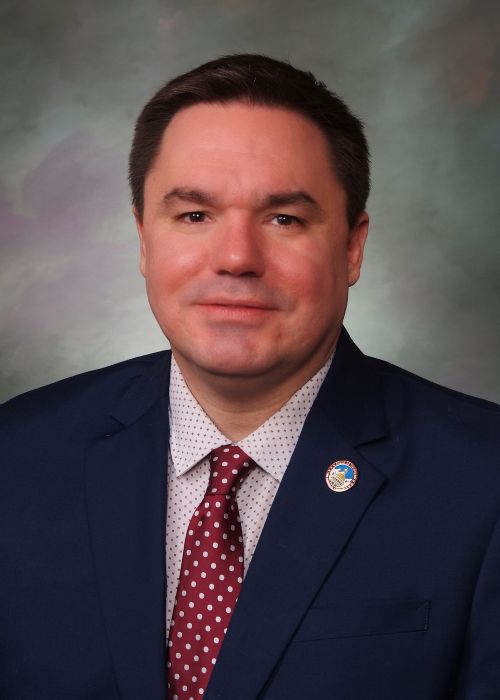
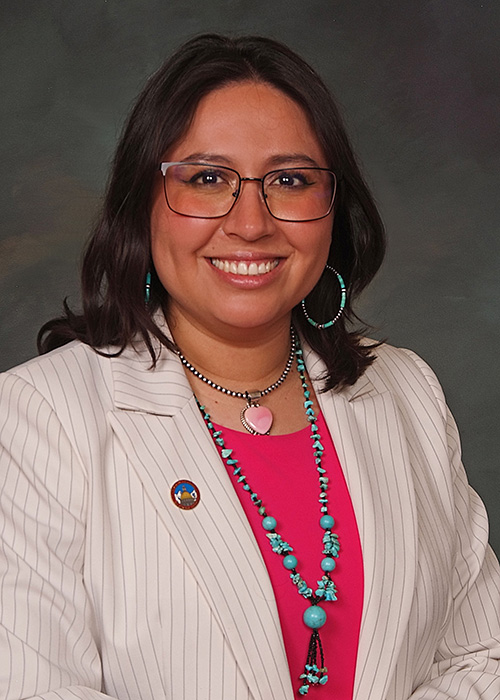
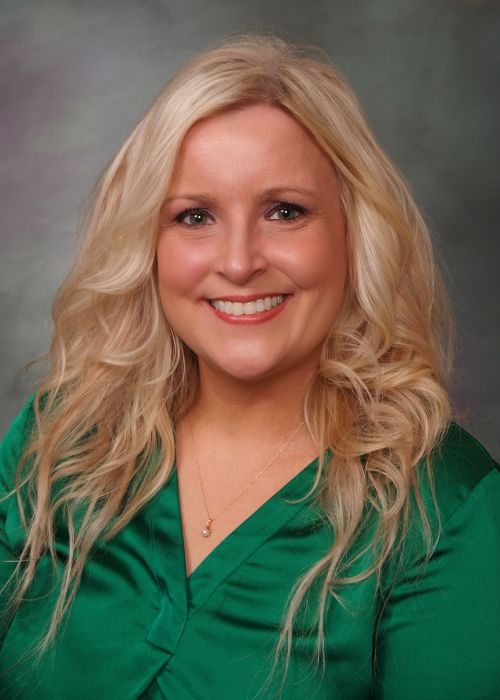
Sponsors