

Student State Assessment in Social Studies
Summary
The act eliminates the requirement for the department of education (department) to administer a state assessment in social studies to elementary school students and specifies that the department is only required to administer a state assessment in social studies to students enrolled in seventh grade in a public school. The act also eliminates the requirement that the department administer a state assessment in social studies in a representative sample of public schools each year. The act reduces by the appropriation made in the annual general appropriation act for the 2026-27 state fiscal year to the department of education from the state education fund for the statewide assessment program by $302,835.(Note: This summary applies to this bill as enacted.)
Bill status
signed
all 5 stages cleared
Introduction
Apr 2026
Committee Review
Apr 2026
House Passage
May 2026
Senate Passage
May 2026
Signed into Law
May 2026
Introduced Apr 2, 2026
Signed May 28, 2026
Maddy AI version diff · 6 comparisons
What changed between versions
Final Act
→
Signed Act
·
3 edits
·
May 29, 2026
MINOR
This bill amends state statutes to clarify the administration of social studies assessments in public elementary and middle schools, specifically mandating that all students take the test in seventh grade. It also adjusts the state education fund appropriation for the 2026-27 fiscal year by reducing the budget by $302,835 to align with the assessment requirements. The changes include minor formatting updates to the bill text and signature lines.
Scope change
The bill expands the scope of social studies assessment requirements to explicitly include all students in seventh grade across the state, moving away from a representative sample-only approach for that grade level.
REQUIREMENT
Updated the requirement for social studies assessments to ensure all students in seventh grade take the test, rather than just a representative sample.
FISCAL
Reduced the appropriation for the statewide assessment program in the 2026-27 budget by $302,835.
TECHNICAL
Corrected formatting and spacing in the bill title, sponsor list, and signature lines to reflect the final signed version.
Floor votes
How they voted
This bill passed the Senate by voice vote (no roll call recorded).
Full legislative history
Actions timeline
Total actions
13
Key actions
7
Committee
2
May 28, 2026
Signed into law
Governor Signed
executive
May 27, 2026
Upper · Passed
Signed by the President of the Senate
upper
May 27, 2026
Lower · Passed
Signed by the Speaker of the House
lower
Apr 16, 2026
Upper · Passed
Senate Third Reading Passed - No Amendments
upper
Apr 14, 2026
Upper · Passed
Senate Committee on Appropriations Refer Unamended to Senate Committee of the Whole
upper
Apr 13, 2026
Introduced
Introduced In Senate - Assigned to Appropriations
upper
Apr 11, 2026
Lower · Passed
House Third Reading Passed - No Amendments
lower
Apr 6, 2026
Lower · Passed
House Committee on Appropriations Refer Unamended to House Committee of the Whole
lower
Apr 2, 2026
Introduced
Introduced In House - Assigned to Appropriations
lower
6 primary · 9 co-sponsors
Sponsors
Role
Legislator
Party
State
District
P

Barbara Kirkmeyer
RRepublican
P

Emily Sirota
DDemocratic
P

Jeff Bridges
DDemocratic
P

Judy Amabile
DDemocratic
P

Kyle Brown
DDemocratic
P

Rick Taggart
RRepublican
Co

Cathy Kipp
DDemocratic
Co
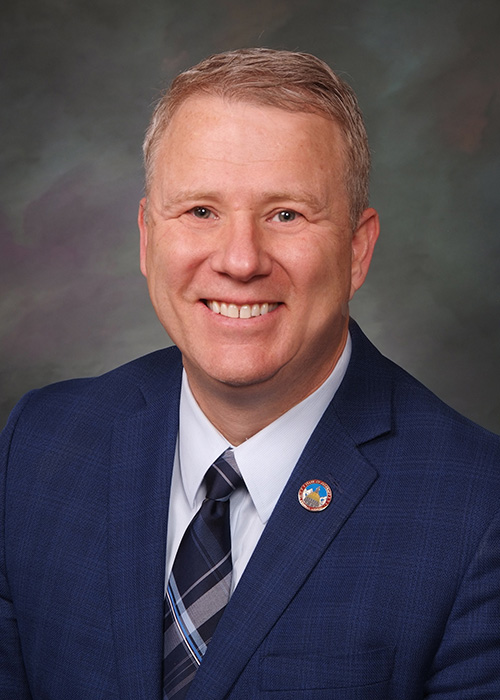
Chris Kolker
DDemocratic
Co
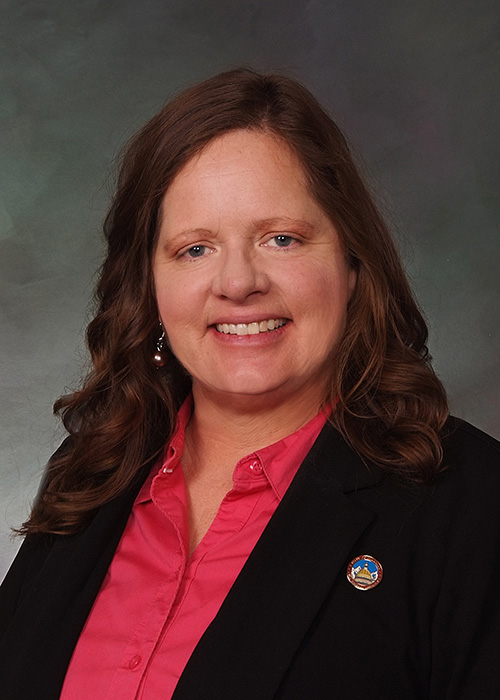
Janice Marchman
DDemocratic
Co
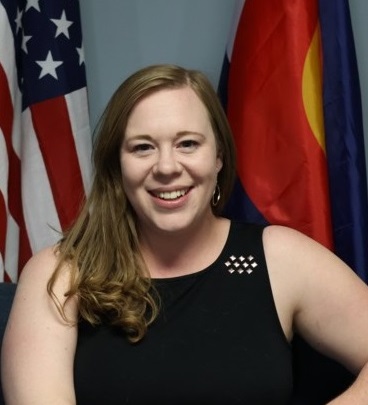
Katie Wallace
DDemocratic
Co
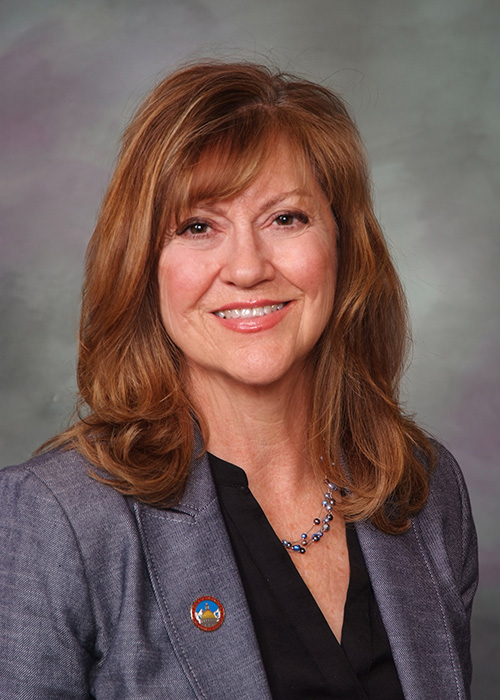
Lisa Cutter
DDemocratic
Co

Lori Goldstein
DDemocratic
Co

Tammy Story
DDemocratic
Co
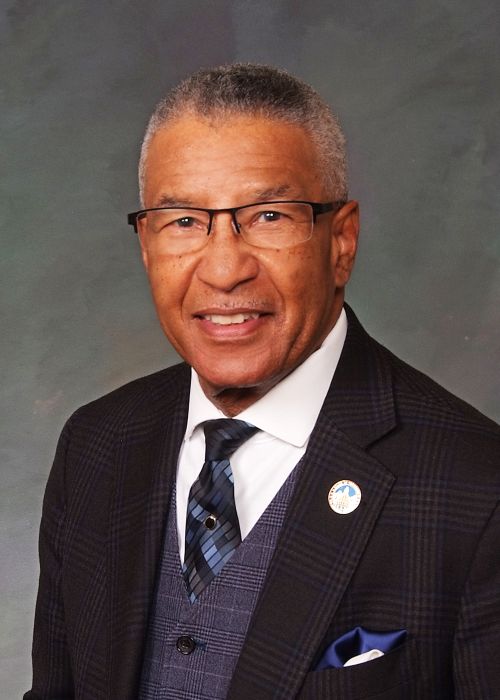
Tony Exum
DDemocratic
Co
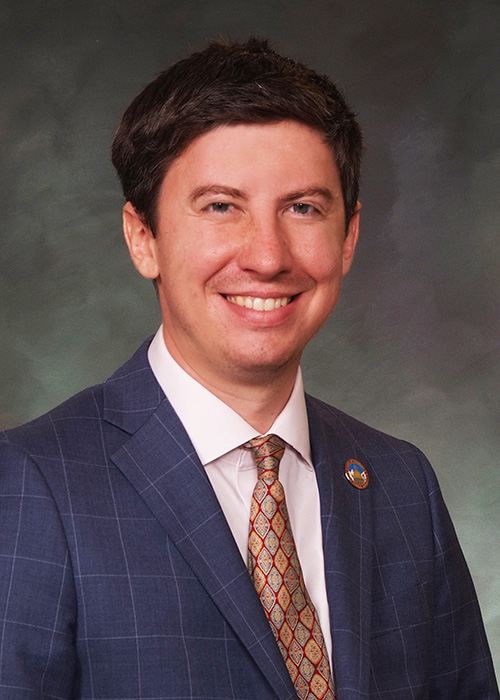
William Lindstedt
DDemocratic
Ask Maddy
·
AI policy assistant
Ask Maddy about HB 1353
Scope: CO
Hi! I can help you understand HB 1353. What would you like to know?
Try one of these
i
Maddy answers using official bill text and legislative records. Always verify before sharing.
Sources cited inline