

Reducing Frequency of Colorado Reading to Ensure Academic Development Act Independent Evaluations
Summary
The act changes the requirement for an independent evaluation of the use of 'Colorado Reading to Ensure Academic Development Act' (READ Act) money from an annual requirement to a biennial requirement. The act adds a requirement that the Colorado department of education post an annual report on its website that summarizes data from local education providers on their reading curricula; programs, services, and supports; and student progress and includes any department input on proposed program changes. The act reduces the appropriation made in the annual general appropriation act for the 2026-27 state fiscal year to the department of education from the state education fund for the early literacy program external evaluation by $750,000.(Note: This summary applies to this bill as enacted.)
Bill status
signed
all 5 stages cleared
Introduction
Apr 2026
Committee Review
Apr 2026
House Passage
May 2026
Senate Passage
May 2026
Signed into Law
Jun 2026
Introduced Apr 2, 2026
Signed Jun 1, 2026
Maddy AI version diff · 6 comparisons
What changed between versions
Final Act
→
Signed Act
·
3 edits
·
Jun 3, 2026
MINOR
This bill updates the schedule for independent evaluations of Colorado's early literacy program, changing the frequency from annual to biennial starting in the 2026-27 school year. It also adjusts the appropriation timeline to align with this new evaluation schedule, reducing the financial burden on the state while maintaining oversight. The changes streamline administrative requirements without altering the core goal of ensuring academic development through reading interventions.
Scope change
The bill modifies the evaluation frequency for the early literacy program, shifting from annual to biennial assessments starting in the 2026-27 school year.
TIMELINE
Changed the requirement for independent evaluations from annual to biennial, effective beginning in the 2026-27 school year.
FISCAL
Adjusted the appropriation schedule to reflect the new biennial evaluation timeline, reducing the frequency of required funding allocations.
REQUIREMENT
Updated statutory references and reporting requirements to align with the new biennial evaluation schedule.
Floor votes
How they voted
This bill passed the Senate by voice vote (no roll call recorded).
Full legislative history
Actions timeline
Total actions
13
Key actions
7
Committee
2
Jun 1, 2026
Signed into law
Governor Signed
executive
May 22, 2026
Upper · Passed
Signed by the President of the Senate
upper
May 22, 2026
Lower · Passed
Signed by the Speaker of the House
lower
Apr 16, 2026
Upper · Passed
Senate Third Reading Passed - No Amendments
upper
Apr 14, 2026
Upper · Passed
Senate Committee on Appropriations Refer Unamended - Consent Calendar to Senate Committee of the Whole
upper
Apr 13, 2026
Introduced
Introduced In Senate - Assigned to Appropriations
upper
Apr 11, 2026
Lower · Passed
House Third Reading Passed - No Amendments
lower
Apr 6, 2026
Lower · Passed
House Committee on Appropriations Refer Unamended to House Committee of the Whole
lower
Apr 2, 2026
Introduced
Introduced In House - Assigned to Appropriations
lower
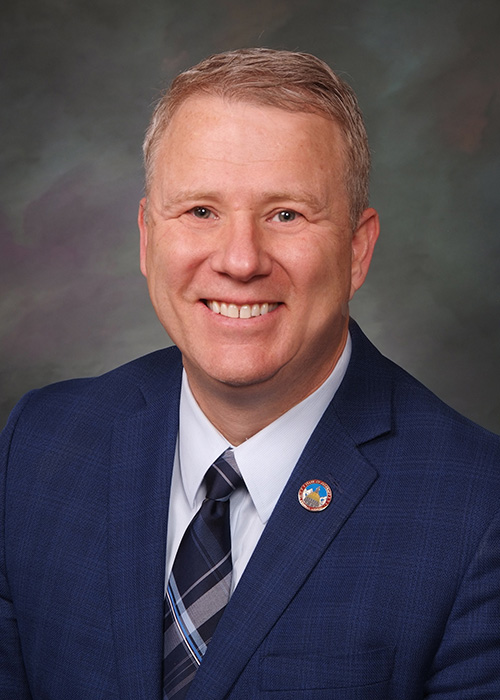
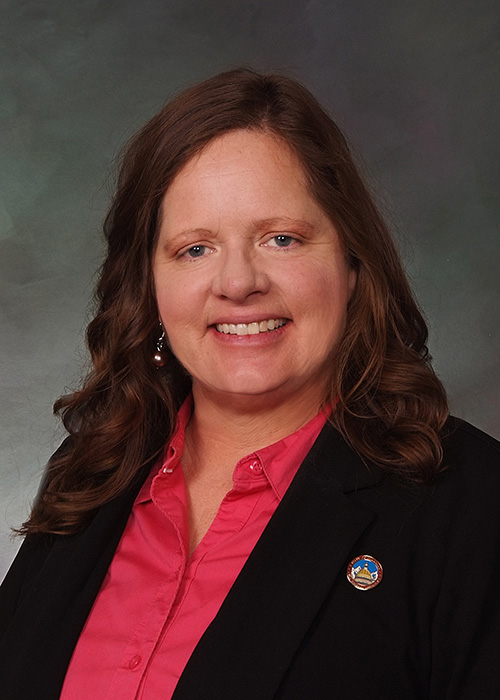
6 primary · 3 co-sponsors
Sponsors







Ask Maddy
·
AI policy assistant
Ask Maddy about HB 1352
Scope: CO
Hi! I can help you understand HB 1352. What would you like to know?
Try one of these
i
Maddy answers using official bill text and legislative records. Always verify before sharing.
Sources cited inline