HB 1336 Colorado House · 2026 Regular Session

Increase Access to Pharmacy Services

Summary
If certain conditions are met, the act requires health benefit plans that provide hospital, surgical, or medical expense insurance to provide reimbursement for health-care services provided by a pharmacist that are within the pharmacist's scope of practice without entering into a collaborative pharmacy practice agreement. Similarly, under the medical assistance program (medicaid), the act authorizes reimbursement for services that are within a pharmacist's scope of practice and not duplicative of other pharmacist services or programs reimbursed by medicaid.     Further, solely on the basis of the type of license or certification, a health benefit plan or health insurance company (carrier) shall not discriminate against a pharmacist who is acting within the scope of the pharmacist's license or certification under state law, with respect to participation, referral, reimbursement of covered services, or indemnification, or prohibit a pharmacist from membership in a provider network; except that, in selecting pharmacist providers, the act does not:Prohibit a health benefit plan or carrier from including providers in its provider network only to the extent necessary to meet the needs of the plan or from limiting referrals or establishing quality control measures;Require a health benefit plan or carrier to contract with any provider willing to abide by the terms and conditions for participation established by the health benefit plan or carrier; orRequire coverage for any health-care service that is not otherwise covered.     The act makes changes to the definitions in the pharmacy practice statutes to include a definition for 'final product verification'. For drug, device, or product orders that are not for controlled substances, final product verification may be delegated by a supervising pharmacist to a certified pharmacy technician or pharmacy intern. A pharmacy or other outlet shall have a continuous quality assessment system in place to periodically verify the accuracy of the final drug, device, or product and must create a plan for final product verification, including how pharmacists' hours will be maintained to provide direct patient care. The state board of pharmacy is required to adopt rules relating to final product verification no later than December 31, 2026.     Under current law, a pharmacist may administer certain tests to patients who are 12 years old or older for certain conditions and prescribe drugs to treat the tested conditions. The act adds to the definition of the 'practice of pharmacy' independent prescriptive authority for drugs that are not controlled substances, drug categories, or devices that are prescribed to patients who are 5 years old or older but under 12 years old for conditions that do not require a new diagnosis, that are minor and self-limiting, or that have a test that guides diagnosis and are not medications that may only be prescribed pursuant to a certified education program and a limited distribution network. If a pharmacist tests or treats any patient who is under 18 years old, the act requires a pharmacist to notify the patient's primary care provider consistent with health-care privacy laws or, if the patient does not have or disclose a primary care provider, refer the patient to a primary care provider for further care.(Note: This summary applies to this bill as enacted.)
Bill status signed all 5 stages cleared
Introduction
Mar 2026
Committee Review
Apr 2026
House Passage
May 2026
Senate Passage
May 2026
Signed into Law
May 2026
Introduced Mar 17, 2026 Signed May 29, 2026
Maddy AI version diff · 5 comparisons

What changed between versions

Rerevised Final Act · 5 edits · May 21, 2026
MODERATE
This bill expands the scope of pharmacy services that health insurance plans must cover and clarifies the legal authority for pharmacists to perform specific tasks. It adds new definitions for 'final product verification' and expands the conditions under which pharmacists can prescribe medications for patients under 12 years old, including those with minor, self-limiting conditions.
Scope change
The bill expands the scope of practice for pharmacists by adding 'final product verification' as a delegable task and explicitly allowing pharmacists to prescribe for children under 12 for specific minor conditions, whereas previous versions were more restrictive regarding age and condition types.
DEFINITION

Added a new definition for 'final product verification,' which is the physical check of a drug or device after it has been processed by a technician or automated system to ensure it matches the prescription.

ELIGIBILITY

Expanded the definition of 'practice as a pharmacy technician' to include 'final product verification' for non-controlled substances, allowing this task to be delegated to technicians.

Modified the criteria for pharmacist independent prescriptive authority to include patients under 12 years old for conditions that are minor, self-limiting, or involve specific waived tests (like flu or strep), provided primary care providers are notified if testing occurs.

REQUIREMENT

Added a requirement that health benefit plans cannot discriminate against pharmacists based on their license type when selecting providers for their networks or determining reimbursement.

Added a provision stating that health plans are not required to contract with every willing pharmacy or pharmacist, but must not exclude them solely based on license type.

Floor votes · Senate May 7, 2026 · House Apr 21, 2026

How they voted

630
Passed · 1 other
Total votes 64
May 7, 2026
D Democratic42
41 Yea 1
97% Yea
R Republican22
22 Yea
100% Yea
Vote distribution
All Yea All Nay Mixed No data
Full legislative history

Actions timeline

Total actions
15
Key actions
8
Committee
2
Amendments
1
May 29, 2026
Signed into law
Governor Signed
executive
May 22, 2026
Upper · Passed
Signed by the President of the Senate
upper
May 22, 2026
Lower · Passed
Signed by the Speaker of the House
lower
May 7, 2026
Introduced
House Considered Senate Amendments - Result was to Concur - Repass
lower
May 7, 2026
Senate · Passed
Senate Vote: pass (63-0-1)
senate
May 6, 2026
Upper · Passed
Senate Third Reading Passed - No Amendments
upper
Apr 30, 2026
Upper · Passed
Senate Committee on Health & Human Services Refer Amended - Consent Calendar to Senate Committee of the Whole
upper
Apr 27, 2026
Introduced
Introduced In Senate - Assigned to Health & Human Services
upper
Apr 21, 2026
Lower · Passed
House Third Reading Passed - No Amendments
lower
Mar 31, 2026
Lower · Passed
House Committee on Health & Human Services Refer Amended to House Committee of the Whole
lower
Mar 17, 2026
Introduced
Introduced In House - Assigned to Health & Human Services
lower
4 primary · 36 co-sponsors

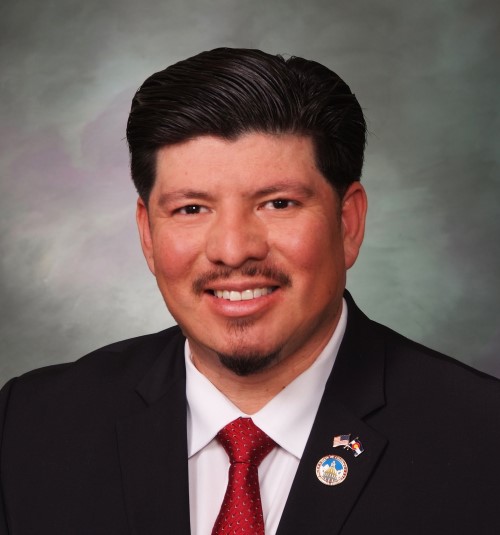
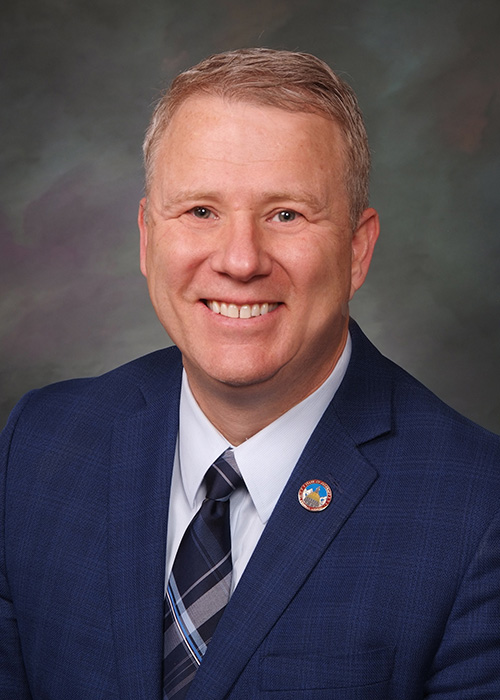
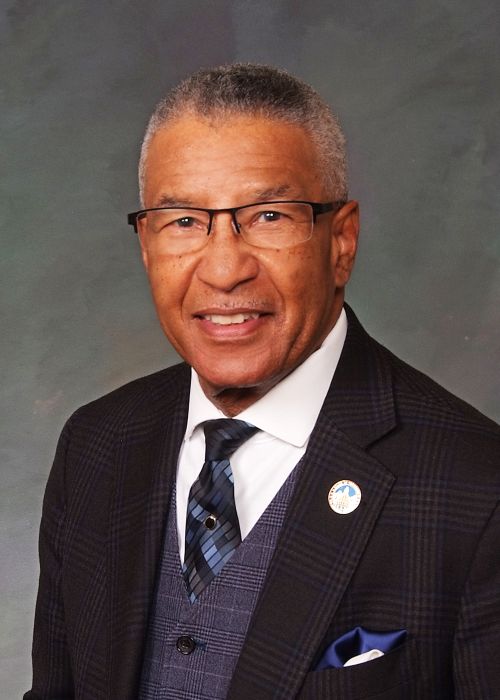
Sponsors