

Updates to State Emergency Response Departments & Divisions
Summary
The act requires the division of homeland security and emergency management (division) in the department of public safety to create and implement a state preparedness goal and system to improve state and community preparedness and responses to threats to Colorado. The division will perform other duties to support homeland security initiatives, including consolidating and coordinating homeland security-related training, education, and professional development; coordinating and updating homeland security and critical infrastructure protection plans; administering state and federal grants; and coordinating all-hazard public risk communication products. The act designates the office of emergency management (office) as the primary state agency responsible for coordinating disaster recovery, planning, training, exercise, and integration of the state recovery annex within the state emergency operations plan and reorganizes the office by:Moving the auxiliary communications unit from the office to the office of public safety communications in the division;Creating the state recovery task force within the office to coordinate disaster recovery efforts within the state, among other duties;Transferring certain duties and responsibilities related to the state's preparation for, and response to, security threats from the office of preparedness in the division to the office and repealing the office of preparedness. Information related to disaster survivors is exempt from public disclosure, subject to certain exceptions. The act repeals the requirement for the state controller to report to the joint budget committee about the expenditure of federal funds for costs associated with a disaster. Application requirements for the Colorado nonprofit security grant program are relaxed during exigent circumstances. The act changes the composition of state advisory boards related to homeland security and cybersecurity, including the homeland security and all-hazards senior advisory committee and the Colorado cybersecurity council. The act moves the Colorado commission of Indian affairs to the newly established office of tribal and American Indian and Alaska Native affairs in the office of the lieutenant governor and limits the terms of the at-large members of the commission. The office of tribal and American Indian and Alaska Native affairs is tasked with coordinating with the office of emergency management during emergencies, as appropriate.(Note: This summary applies to this bill as enacted.)
Bill status
signed
all 5 stages cleared
Introduction
Feb 2026
Committee Review
Apr 2026
House Passage
Jun 2026
Senate Passage
Jun 2026
Signed into Law
Jun 2026
Introduced Feb 18, 2026
Signed Jun 4, 2026
Maddy AI version diff · 6 comparisons
What changed between versions
Final Act
→
Signed Act
·
4 edits
·
Jun 4, 2026
MODERATE
This bill updates Colorado's emergency management laws to modernize state preparedness and recovery operations. It adds new duties for the Division of Homeland Security and Emergency Management to support homeland security initiatives and creates a State Recovery Task Force to coordinate disaster recovery efforts. The bill also clarifies data sharing rules for disaster survivors and expands the list of records exempt from public disclosure.
Scope change
The bill expands the scope of state emergency management duties to include specific homeland security initiatives and establishes a formal State Recovery Task Force to lead recovery coordination.
REQUIREMENT
Added new duties for the Division of Homeland Security and Emergency Management to support homeland security initiatives, improve community preparedness, and coordinate training.
Created a new State Recovery Task Force within the Office of Emergency Management to serve as the lead clearinghouse for recovery operations among state agencies.
Established new requirements for the Office of Emergency Management to develop and maintain a Survivor Portal for coordinating recovery programs.
DEFINITION
Added a new exemption for disaster survivor information stored in the Survivor Portal, protecting it from public disclosure.
Floor votes · Senate May 7, 2026 · House Mar 17, 2026
How they voted
52–11
Passed · 1 other
Total votes 64
May 7, 2026
D
Democratic42
97% Yea
R
Republican22
50% Nay
Vote distribution
All Yea
All Nay
Mixed
No data
Full legislative history
Actions timeline
Total actions
15
Key actions
8
Committee
2
Amendments
2
Jun 4, 2026
Signed into law
Governor Signed
executive
Jun 3, 2026
Upper · Passed
Signed by the President of the Senate
upper
Jun 3, 2026
Lower · Passed
Signed by the Speaker of the House
lower
May 7, 2026
Introduced
House Considered Senate Amendments - Result was to Concur - Repass
lower
May 7, 2026
Senate · Passed
Senate Vote: pass (52-11-1)
senate
May 5, 2026
Introduced
House Considered Senate Amendments - Result was to Laid Over Daily
lower
May 4, 2026
Upper · Passed
Senate Third Reading Passed - No Amendments
upper
Apr 28, 2026
Upper · Passed
Senate Committee on State, Veterans, & Military Affairs Refer Amended to Senate Committee of the Whole
upper
Apr 6, 2026
Introduced
Introduced In Senate - Assigned to State, Veterans, & Military Affairs
upper
Mar 17, 2026
Lower · Passed
House Third Reading Passed - No Amendments
lower
Mar 12, 2026
Lower · Passed
House Committee on State, Civic, Military, & Veterans Affairs Refer Amended to House Committee of the Whole
lower
Feb 18, 2026
Introduced
Introduced In House - Assigned to State, Civic, Military, & Veterans Affairs
lower
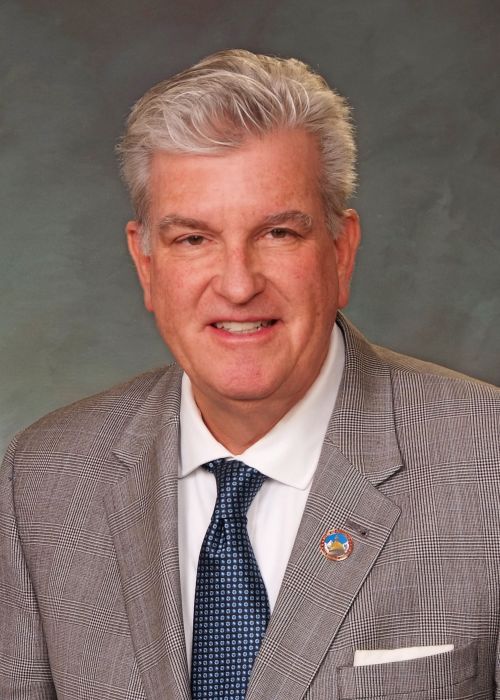
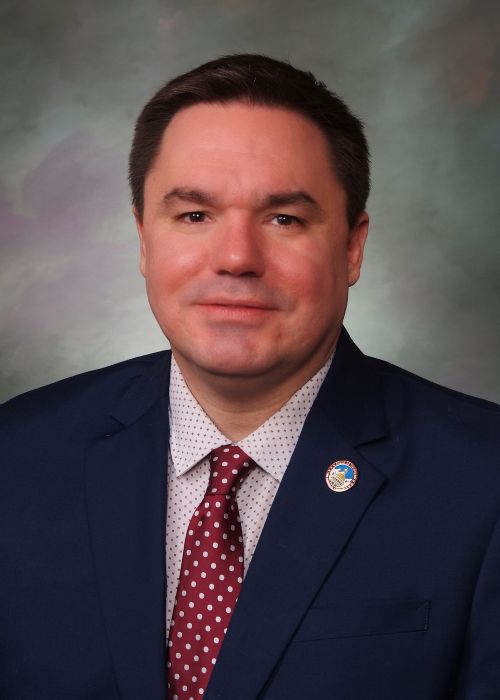
4 primary · 6 co-sponsors
Sponsors








Ask Maddy
·
AI policy assistant
Ask Maddy about HB 1252
Scope: CO
Hi! I can help you understand HB 1252. What would you like to know?
Try one of these
i
Maddy answers using official bill text and legislative records. Always verify before sharing.
Sources cited inline