

Procedures Related to Civil Asset Forfeiture
Summary
The act clarifies an existing requirement for the criminal conviction of a property owner by requiring that one or more criminal charges be brought as a prerequisite to any nuisance abatement or forfeiture proceeding. Existing law provides an exception to the conviction requirement for noninnocent owners who are not subject to criminal charges that no criminal conviction is necessary of the nonowner criminal defendant if the plaintiff proves its case by clear and convincing evidence that the property subject to the forfeiture proceeding is traceable proceeds of the charged offense or related criminal activity. The act clarifies this exception to first require a conviction of the nonowner criminal defendant before the noninnocent owner's property may be forfeited, while retaining other various exceptions that allow forfeiture actions to proceed against the interest of a claimant. The act establishes a right for indigent civil asset forfeiture defendants to access forfeiture defense counsel and creates a procedure for the appointment of forfeiture defense counsel in nuisance abatement and forfeiture proceedings. The state court administrator shall enter into a contract for services with a private contractor who regularly provides legal services for indigent clients or litigants to provide a legal defense to a civil asset forfeiture proceeding. The private contractor is subject to certain reporting requirements. The act creates a forfeiture defense counsel fund (fund) to pay for contracted forfeiture defense counsel who are authorized to represent persons against whom a nuisance abatement or forfeiture proceeding has been filed in connection with criminal charges. The fund is capped at $500,000, and starting in state fiscal year 2027-28, no general fund money is allowed to finance the fund. The balance of the fund over $500,000 is credited to the law enforcement community services grant program fund. The act transfers any unexpended and unencumbered money from the law enforcement community services grant program fund to the forfeiture counsel defense fund. The act alters the disposition of property and proceeds ordered forfeited in a nuisance abatement or forfeiture action. Currently, forfeited property and proceeds are applied first toward restitution and cost recovery for a list of stakeholders, and of the remainder, 50% is granted to the local governmental body with authority over the seizing agency, 25% is granted to the local behavioral health administrative services organization, and 25% is granted to the law enforcement community services grant program fund. The act amends the disposition of the remainder so that 50% is granted to the local governmental body with authority over the seizing agency, 25% is granted to the fund, and 25% is granted to the local behavioral health administrative services organization. The act appropriates $556,750 to the judicial department from the fund for civil asset forfeiture defense contracting and $55,000 to the department of local affairs from the fund for civil asset forfeiture portal administration.(Note: This summary applies to this bill as enacted.)
Bill status
signed
all 5 stages cleared
Introduction
Feb 2026
Committee Review
May 2026
House Passage
Jun 2026
Senate Passage
Jun 2026
Signed into Law
Jun 2026
Introduced Feb 18, 2026
Signed Jun 4, 2026
Maddy AI version diff · 6 comparisons
What changed between versions
Reengrossed
→
Revised
·
3 edits
·
May 12, 2026
MINOR
The bill moved from a reengrossed version (House of Introduction) to a revised version reflecting its passage on second reading in the Senate without amendments. The Senate Appropriations Committee was added to the referral list alongside Judiciary. These are procedural and clerical changes only, with no substantive policy modifications.
TECHNICAL
Bill status changed from 'Reengrossed' (all amendments adopted in House of Introduction) to 'Revised' (all amendments adopted on Second Reading in the Second House/Senate).
Senate Appropriations Committee added to the committee referral list alongside Judiciary, indicating the bill was referred there for consideration.
A '2nd Reading Unamended' notation was added for the Senate, confirming the bill passed second reading in the Senate without any amendments.
Floor votes
How they voted
This bill passed the Senate by voice vote (no roll call recorded).
Full legislative history
Actions timeline
Total actions
14
Key actions
7
Committee
4
Jun 4, 2026
Signed into law
Governor Signed
executive
Jun 3, 2026
Upper · Passed
Signed by the President of the Senate
upper
Jun 3, 2026
Lower · Passed
Signed by the Speaker of the House
lower
May 13, 2026
Upper · Passed
Senate Third Reading Passed - No Amendments
upper
May 12, 2026
Upper · Passed
Senate Committee on Appropriations Refer Unamended - Consent Calendar to Senate Committee of the Whole
upper
May 12, 2026
Introduced
Introduced In Senate - Assigned to Appropriations
upper
May 12, 2026
Lower · Passed
House Third Reading Passed - No Amendments
lower
May 8, 2026
Lower · Passed
House Committee on Appropriations Refer Amended to House Committee of the Whole
lower
May 4, 2026
Committee
House Committee on Finance Refer Amended to Appropriations
lower
Apr 21, 2026
Committee
House Committee on Judiciary Refer Amended to Finance
lower
Feb 18, 2026
Introduced
Introduced In House - Assigned to Judiciary
lower
5 primary · 34 co-sponsors
Sponsors
Role
Legislator
Party
State
District
P

Jennifer Bacon
DDemocratic
P
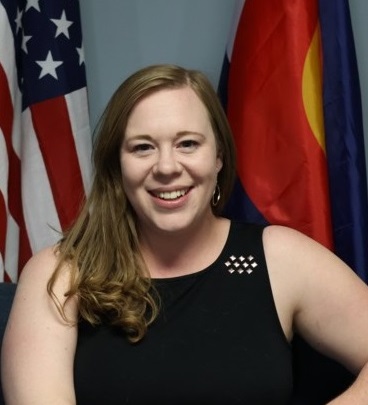
Katie Wallace
DDemocratic
P
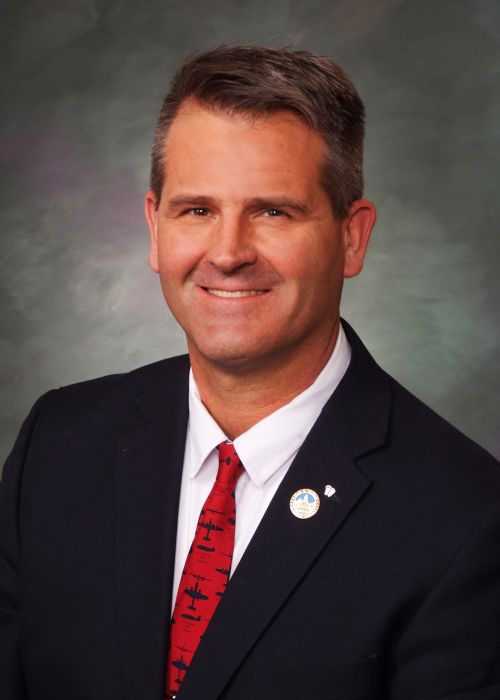
Ken DeGraaf
RRepublican
P

Mark Baisley
RRepublican
P
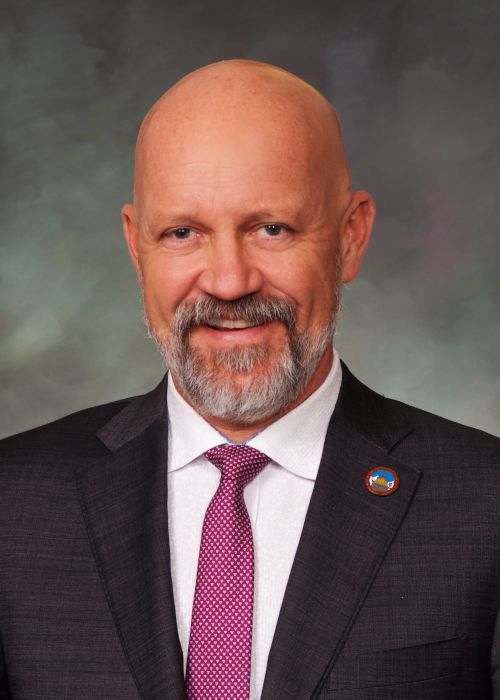
Scott Bright
RRepublican
Co
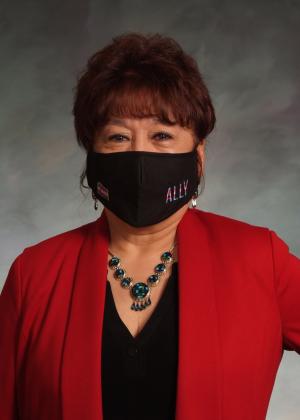
Adrienne Benavidez
DDemocratic
Co

Bob Marshall
DDemocratic
Co
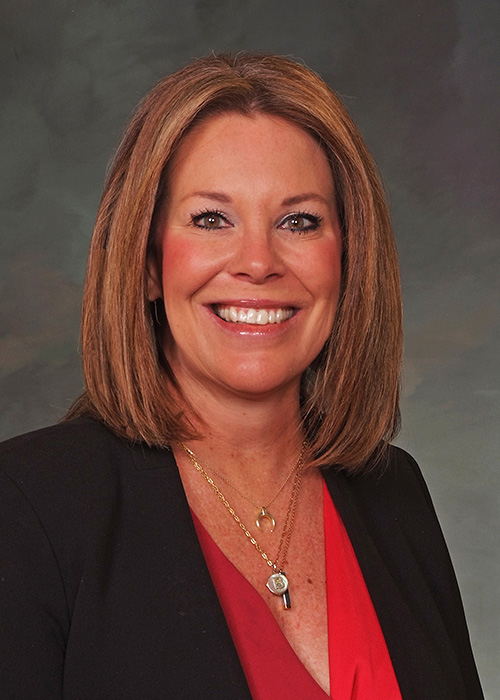
Brandi Bradley
RRepublican
Co

Brianna Titone
DDemocratic
Co

Cathy Kipp
DDemocratic
Co
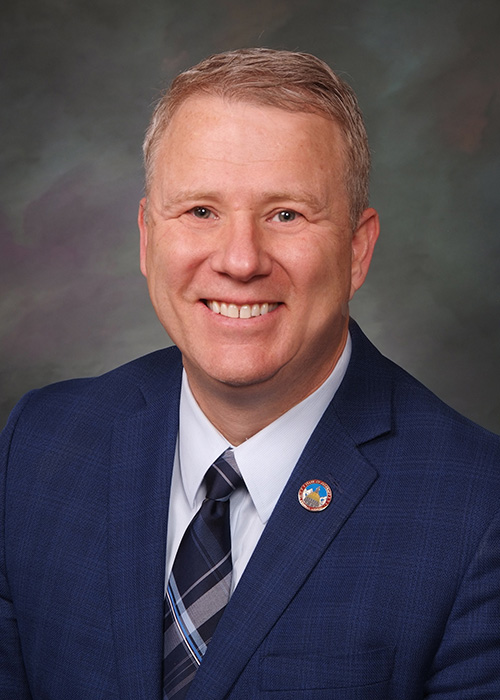
Chris Kolker
DDemocratic
Co

Emily Sirota
DDemocratic
Co
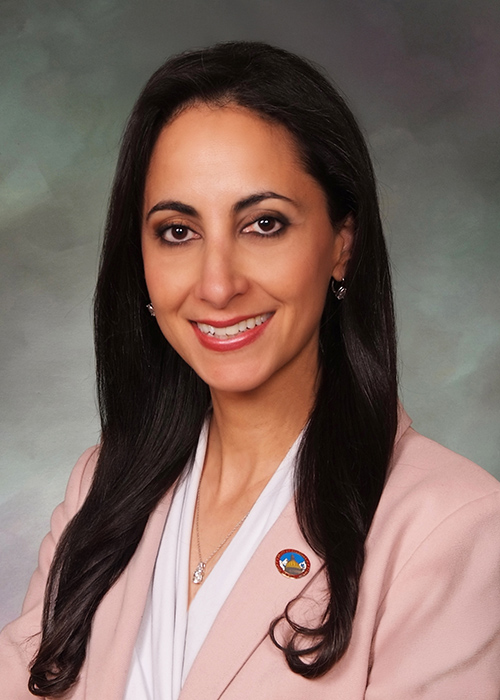
Iman Jodeh
DDemocratic
Co
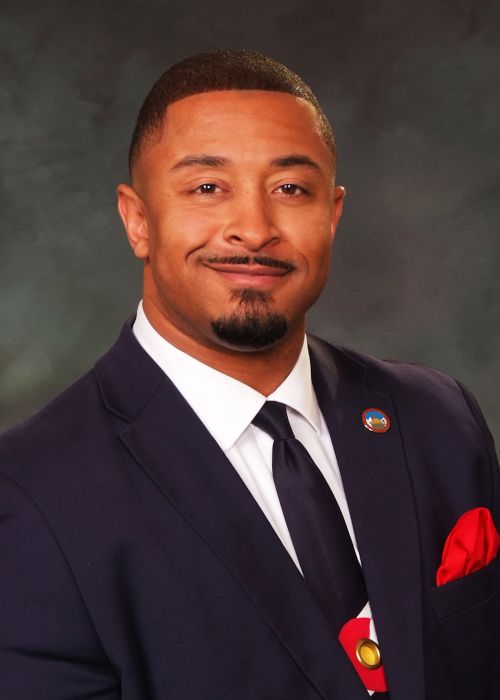
James Coleman
DDemocratic
Co

Javier Mabrey
DDemocratic













Ask Maddy
·
AI policy assistant
Ask Maddy about HB 1250
Scope: CO
Hi! I can help you understand HB 1250. What would you like to know?
Try one of these
i
Maddy answers using official bill text and legislative records. Always verify before sharing.
Sources cited inline