

Sunset Substance Abuse Treatment Program Licensing
Summary
The 'Colorado Licensing of Controlled Substances Act' (Act) is set to repeal September 1, 2026. The act implements the department of regulatory agencies' recommendations to:Continue the Act until September 1, 2041;Modernize the definition of 'substance use disorder' in the Act to more accurately reflect the type of conditions being treated by behavioral-health-administration-licensed facilities and the practitioners who may diagnose these conditions; and Remove defined terms that are no longer referenced in the Act.(Note: This summary applies to this bill as enacted.)
Bill status
signed
all 5 stages cleared
Introduction
Feb 2026
Committee Review
Apr 2026
House Passage
May 2026
Senate Passage
May 2026
Signed into Law
May 2026
Introduced Feb 17, 2026
Signed May 29, 2026
Maddy AI version diff · 5 comparisons
What changed between versions
Rerevised
→
Final Act
·
3 edits
·
May 27, 2026
MINOR
This bill updates the sunset date for the licensing of substance use disorder treatment programs from 2026 to 2041, ensuring the program continues for another decade. It also modernizes legal definitions to replace outdated terms like 'detoxification' and 'maintenance treatment' with a single, comprehensive term: 'medically managed treatment.' Finally, it refines the definition of 'substance use disorder' to align with current clinical standards.
Scope change
The bill extends the statutory lifespan of the licensing program by approximately 15 years and broadens the scope of covered treatment definitions to include a wider range of care models.
TIMELINE
The repeal date for the behavioral health administration's licensing functions was changed from September 1, 2026, to September 1, 2041.
DEFINITION
Outdated treatment definitions were replaced with a new, unified definition of 'medically managed treatment' to better reflect modern clinical practices.
The definition of 'substance use disorder' was updated to include specific clinical criteria regarding chronic relapsing brain disease and functional impairment.
Floor votes · Senate May 4, 2026 · House Mar 25, 2026
How they voted
64–0
Passed
Total votes 64
May 4, 2026
D
Democratic42
100% Yea
R
Republican22
100% Yea
Vote distribution
All Yea
All Nay
Mixed
No data
Full legislative history
Actions timeline
Total actions
18
Key actions
8
Committee
4
Amendments
2
May 29, 2026
Signed into law
Governor Signed
executive
May 28, 2026
Upper · Passed
Signed by the President of the Senate
upper
May 28, 2026
Lower · Passed
Signed by the Speaker of the House
lower
May 4, 2026
Introduced
House Considered Senate Amendments - Result was to Concur - Repass
lower
May 4, 2026
Senate · Passed
Senate Vote: pass (64-0)
senate
May 1, 2026
Introduced
House Considered Senate Amendments - Result was to Laid Over Daily
lower
Apr 30, 2026
Upper · Passed
Senate Third Reading Passed - No Amendments
upper
Apr 28, 2026
Upper · Passed
Senate Committee on Appropriations Refer Unamended - Consent Calendar to Senate Committee of the Whole
upper
Apr 22, 2026
Committee
Senate Committee on Health & Human Services Refer Amended to Appropriations
upper
Mar 30, 2026
Introduced
Introduced In Senate - Assigned to Health & Human Services
upper
Mar 25, 2026
Lower · Passed
House Third Reading Passed - No Amendments
lower
Mar 20, 2026
Lower · Passed
House Committee on Appropriations Refer Unamended to House Committee of the Whole
lower
Mar 11, 2026
Committee
House Committee on Health & Human Services Refer Unamended to Appropriations
lower
Feb 17, 2026
Introduced
Introduced In House - Assigned to Health & Human Services
lower
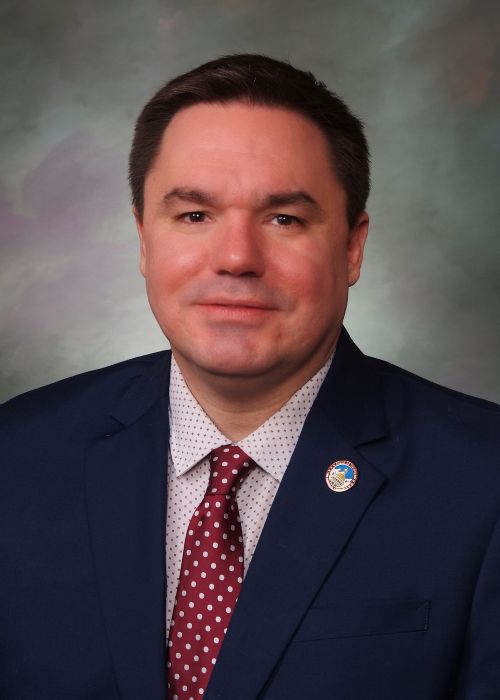
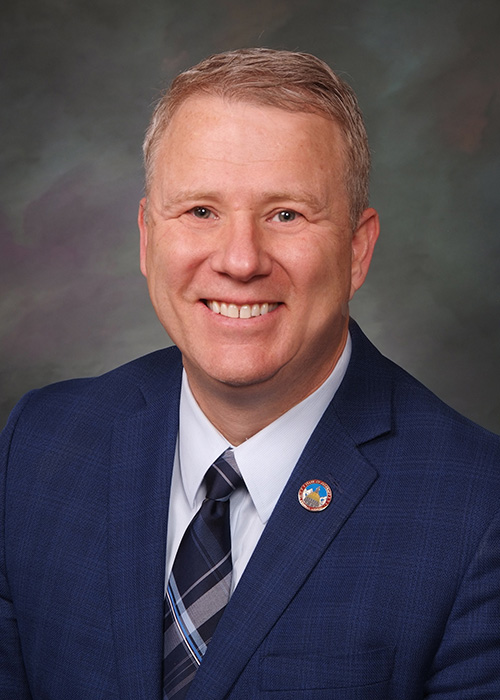
3 primary · 7 co-sponsors
Sponsors








Ask Maddy
·
AI policy assistant
Ask Maddy about HB 1214
Scope: CO
Hi! I can help you understand HB 1214. What would you like to know?
Try one of these
i
Maddy answers using official bill text and legislative records. Always verify before sharing.
Sources cited inline