

Prohibit Surveillance Price & Wage Setting
Summary
Surveillance data is defined in the act as data that is obtained through observation, inference, or surveillance of consumers or workers and that is related to personal characteristics, online behaviors, or biometrics of an individual or group, band, class, or tier to which the individual belongs. The definition of 'worker' in the act excludes federal and state employees and employees of public entities. The act prohibits discrimination against a consumer or worker resulting from the use of a price or wage setting algorithm (PWSA) that uses statistical modeling, data analytics, artificial intelligence, or other data processing techniques to analyze surveillance data, the output of which is a substantial factor in:Individualized price setting used to determine the amount charged to a consumer; orIndividualized wage setting used to determine the wage offered to a worker. The act specifies activities that are not individualized price or wage setting, as well as exemptions from the prohibition on price or wage setting. A person has not engaged in individualized price setting if the person can demonstrate, as described in the act, that differential prices are:Based on differences in the cost in providing a good or service to different consumers, such as delivery distance or temporal differences, such as ride or delivery time;Based on publicly disclosed eligibility criteria to all persons that meet the criteria, such as consumers purchasing in volume, or to all members of a broadly defined group of consumers, such as teachers;Afforded on equal terms to all participants in a loyalty, membership, or rewards program or are offered in response to a consumer complaint, service disruption, request for account cancellation, or similar reason;Offered pursuant to a specified needs-based discount program for reduced pricing related to income or financial need, such as hospital discounted care;Based on a subscription or other continuous agreement that includes a monthly or other recurring price that was not informed by a PWSA; orBased on a refusal to extend credit on specific terms or to enter into a financial transaction based on a consumer's data in a consumer report or data required as part of the application for the financial transaction. A person has not engaged in individualized wage setting if the person can demonstrate, as described in the act, that the person offers individualized wages based solely on data specific to an individual worker that is directly related to worker seniority or the tasks the worker was required to perform, and the person discloses to the worker before hiring, and to all workers whose wages are set in whole or in part by a PWSA, what data is considered and how the PWSA considers the data. A person that uses a PWSA shall develop and publish reasonable procedures to ensure the accuracy of all data considered by the PWSA, for workers to request and receive information about what data is collected, and to correct or challenge data considered by a PWSA. A violation of the prohibition against individualized price or wage setting is a deceptive trade practice under the 'Colorado Consumer Protection Act' and is subject to the enforcement provisions and remedies provided in that act.(Note: This summary applies to this bill as enacted.)
Bill status
vetoed
4 of 5 stages cleared
Introduction
Feb 2026
Committee Review
Apr 2026
House Passage
May 2026
Senate Passage
May 2026
Vetoed
Jun 2026
Introduced Feb 13, 2026
Vetoed Jun 2, 2026
Maddy AI version diff · 5 comparisons
What changed between versions
Rerevised
→
Final Act
·
3 edits
·
May 29, 2026
MINOR
The bill was updated to include additional sponsors and refined the legal definitions to clarify what constitutes prohibited 'individualized price' and 'wage' setting using surveillance data. The changes specifically expanded the list of legislators supporting the bill and added detailed exemptions for credit decisions made by licensed lenders and insurance actions, ensuring these financial activities are not considered violations of the new privacy rules.
Scope change
The bill's scope was clarified by adding specific exemptions for licensed financial institutions (such as mortgage brokers and credit unions) regarding credit decisions and for insurers, preventing these regulated activities from being flagged as violations under the new surveillance data laws.
ELIGIBILITY
Added Duran, Jackson, McCormick, and Paschal to the list of House sponsors.
DEFINITION
Added specific exemptions stating that credit decisions by licensed lenders and actions by insurers are not considered prohibited individualized price or wage setting.
Updated the definition of 'individualized price setting' to explicitly exclude location data used solely for jurisdictional purposes like tax calculation or currency display.
Floor votes · Senate May 7, 2026 · House Mar 27, 2026
How they voted
42–21
Passed · 1 other
Total votes 64
May 7, 2026
D
Democratic42
97% Yea
R
Republican22
95% Nay
Vote distribution
All Yea
All Nay
Mixed
No data
Full legislative history
Actions timeline
Total actions
18
Key actions
7
Committee
2
Amendments
1
Jun 2, 2026
Vetoed
Governor Vetoed
executive
May 29, 2026
Upper · Passed
Signed by the President of the Senate
upper
May 29, 2026
Lower · Passed
Signed by the Speaker of the House
lower
May 7, 2026
Introduced
House Considered Senate Amendments - Result was to Concur - Repass
lower
May 7, 2026
Senate · Passed
Senate Vote: pass (42-21-1)
senate
May 6, 2026
Upper · Passed
Senate Third Reading Passed - No Amendments
upper
Apr 21, 2026
Upper · Passed
Senate Committee on Business, Labor, & Technology Refer Unamended to Senate Committee of the Whole
upper
Apr 1, 2026
Introduced
Introduced In Senate - Assigned to Business, Labor, & Technology
upper
Mar 27, 2026
Lower · Passed
House Third Reading Passed - No Amendments
lower
Mar 12, 2026
Lower · Passed
House Committee on Business Affairs & Labor Refer Amended to House Committee of the Whole
lower
Feb 13, 2026
Introduced
Introduced In House - Assigned to Business Affairs & Labor
lower
25 primary · 13 co-sponsors
Sponsors
Role
Legislator
Party
State
District
P

Brianna Titone
DDemocratic
P

Chad Clifford
DDemocratic
P

Emily Sirota
DDemocratic
P
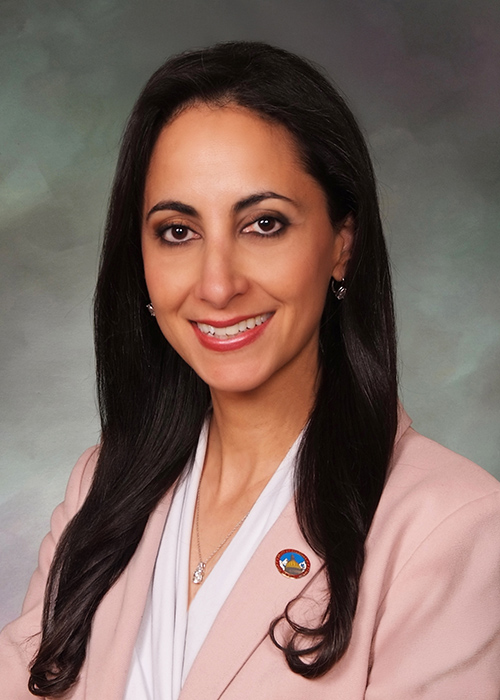
Iman Jodeh
DDemocratic
P

Janice Marchman
DDemocratic
P

Javier Mabrey
DDemocratic
P

Jennifer Bacon
DDemocratic
P

Jenny Willford
DDemocratic
P
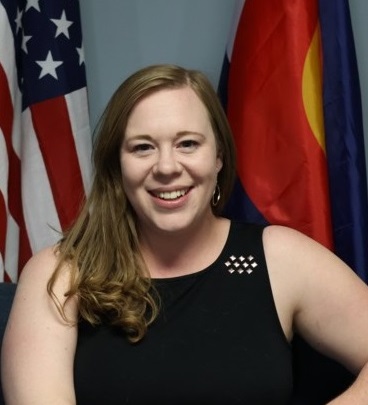
Katie Wallace
DDemocratic
P

Kenny Nguyen
DDemocratic
P

Kyle Brown
DDemocratic
P

Lesley Smith
DDemocratic
P

Lisa Cutter
DDemocratic
P
LG
Lorena García
DDemocratic
P

Mandy Lindsay
DDemocratic
P

Manny Rutinel
DDemocratic
P
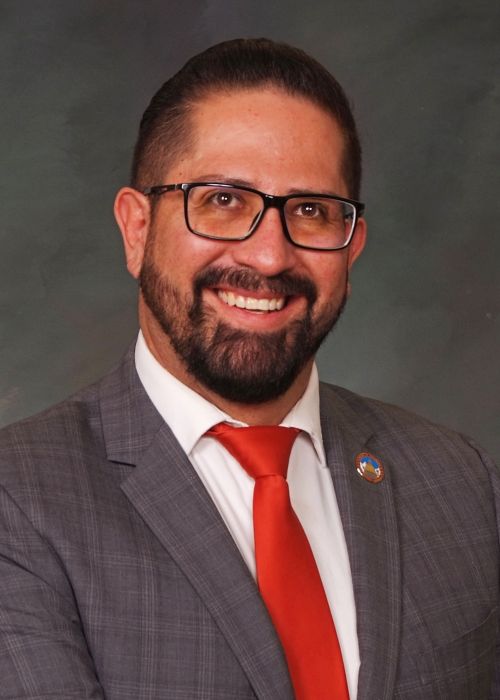
Matt Martinez
DDemocratic
P
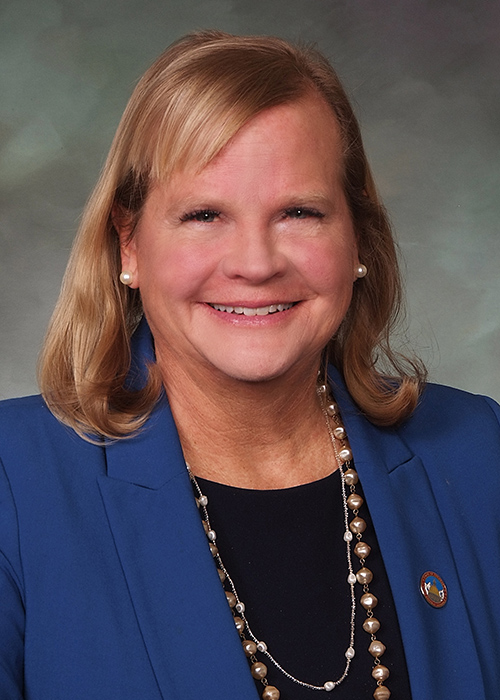
Meg Froelich
DDemocratic
P

Mike Weissman
DDemocratic
P

Steven Woodrow
DDemocratic
P

Tammy Story
DDemocratic
P

Tisha Mauro
DDemocratic
P

Tom Sullivan
DDemocratic
P

William Lindstedt
DDemocratic
P

Yara Zokaie
DDemocratic
Co
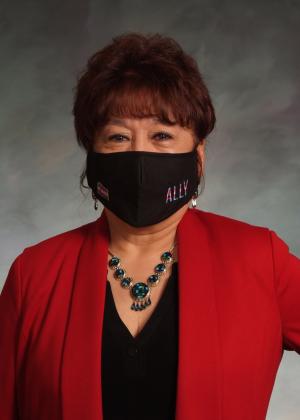
Adrienne Benavidez
DDemocratic
Co

Amy Paschal
DDemocratic
Co

Cathy Kipp
DDemocratic
Co
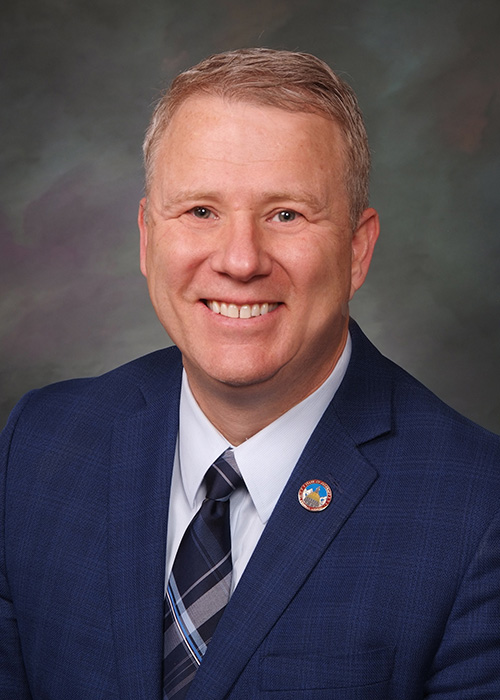
Chris Kolker
DDemocratic
Co

Elizabeth Velasco
DDemocratic
Co

James Coleman
DDemocratic
Co
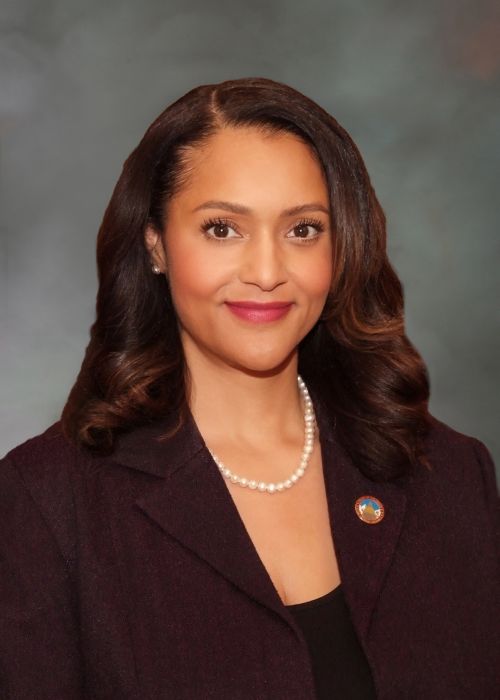
Jamie Jackson
DDemocratic
Co
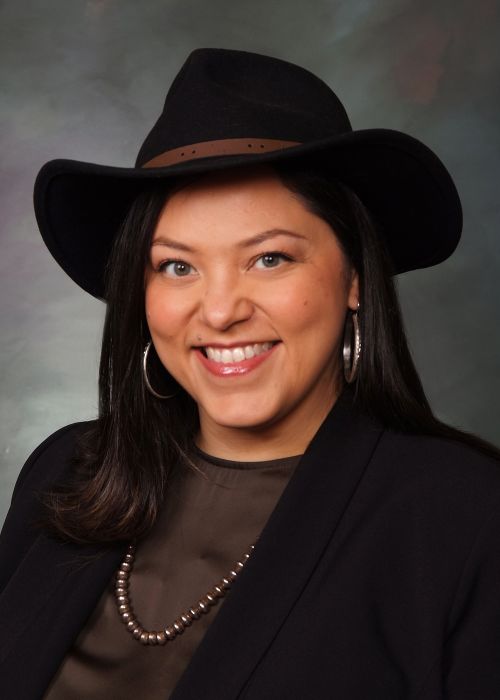
Julie Gonzales
DDemocratic
Co

Junie Joseph
DDemocratic
Co
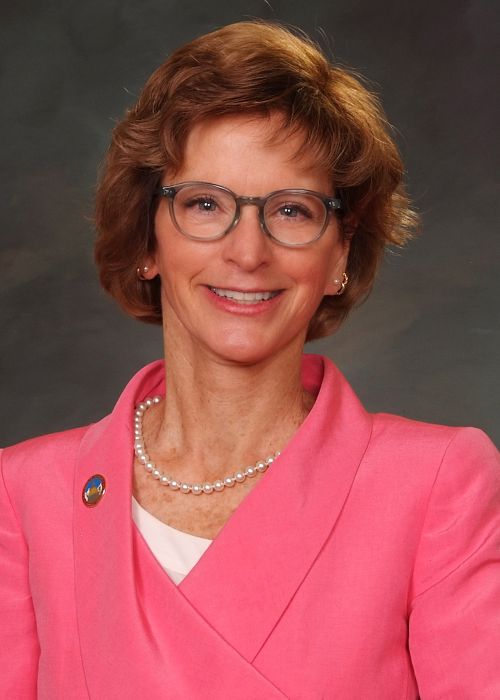
Karen McCormick
DDemocratic

Ask Maddy
·
AI policy assistant
Ask Maddy about HB 1210
Scope: CO
Hi! I can help you understand HB 1210. What would you like to know?
Try one of these
i
Maddy answers using official bill text and legislative records. Always verify before sharing.
Sources cited inline