

Disclosure of Demographic Workforce Data
Summary
The act requires, beginning July 1, 2027, a private entity conducting business in the state that employs 100 or more workers (employer) to include demographic workforce data collected through the United States equal employment opportunity commission's 'Employer Information Report' (EEO-1 data) in periodic reports to the secretary of state. An employer is required to provide the EEO-1 data to the secretary of state even if the federal government repeals or discontinues the federal requirement to submit the EEO-1 data to the United States equal employment opportunity commission.(Note: This summary applies to this bill as enacted.)
Bill status
signed
all 5 stages cleared
Introduction
Feb 2026
Committee Review
Apr 2026
House Passage
May 2026
Senate Passage
May 2026
Signed into Law
Jun 2026
Introduced Feb 12, 2026
Signed Jun 4, 2026
Maddy AI version diff · 6 comparisons
What changed between versions
Final Act
→
Signed Act
·
5 edits
·
Jun 4, 2026
MODERATE
This bill establishes a requirement for private employers in Colorado with 100 or more employees to submit demographic workforce data (EEO-1 data) to the Secretary of State, even if the federal government stops collecting it. The data must be submitted starting July 1, 2027, and the bill includes a specific appropriation of $43,210 to fund the administrative costs of this program.
Scope change
The bill expands state oversight by mandating that private employers who currently report to the federal EEOC continue to report to the state of Colorado regardless of federal changes.
REQUIREMENT
Mandates private employers with 100+ employees to submit demographic workforce data to the Secretary of State.
TIMELINE
Sets the effective date for the state reporting requirement as July 1, 2027.
FISCAL
Appropriates $43,210 to the Department of State to cover administrative costs and personnel needs.
DEFINITION
Defines 'EEO-1 Data' based on the form structure as of March 1, 2026, and clarifies that 'Employer' excludes government entities.
TECHNICAL
Removed internal legislative notes regarding signature status and formatting placeholders.
Floor votes · Senate May 7, 2026 · House Mar 16, 2026
How they voted
41–22
Passed · 1 other
Total votes 64
May 7, 2026
D
Democratic42
97% Yea
R
Republican22
100% Nay
Vote distribution
All Yea
All Nay
Mixed
No data
Full legislative history
Actions timeline
Total actions
17
Key actions
8
Committee
4
Amendments
2
Jun 4, 2026
Signed into law
Governor Signed
executive
May 20, 2026
Upper · Passed
Signed by the President of the Senate
upper
May 20, 2026
Lower · Passed
Signed by the Speaker of the House
lower
May 7, 2026
Introduced
House Considered Senate Amendments - Result was to Concur - Repass
lower
May 7, 2026
Senate · Passed
Senate Vote: pass (41-22-1)
senate
May 6, 2026
Introduced
House Considered Senate Amendments - Result was to Laid Over Daily
lower
May 5, 2026
Upper · Passed
Senate Third Reading Passed - No Amendments
upper
Apr 30, 2026
Upper · Passed
Senate Committee on Appropriations Refer Amended to Senate Committee of the Whole
upper
Apr 28, 2026
Committee
Senate Committee on Business, Labor, & Technology Refer Amended to Appropriations
upper
Mar 19, 2026
Introduced
Introduced In Senate - Assigned to Business, Labor, & Technology
upper
Mar 16, 2026
Lower · Passed
House Third Reading Passed - No Amendments
lower
Mar 13, 2026
Lower · Passed
House Committee on Appropriations Refer Unamended to House Committee of the Whole
lower
Mar 5, 2026
Committee
House Committee on Business Affairs & Labor Refer Amended to Appropriations
lower
Feb 12, 2026
Introduced
Introduced In House - Assigned to Business Affairs & Labor
lower
4 primary · 15 co-sponsors
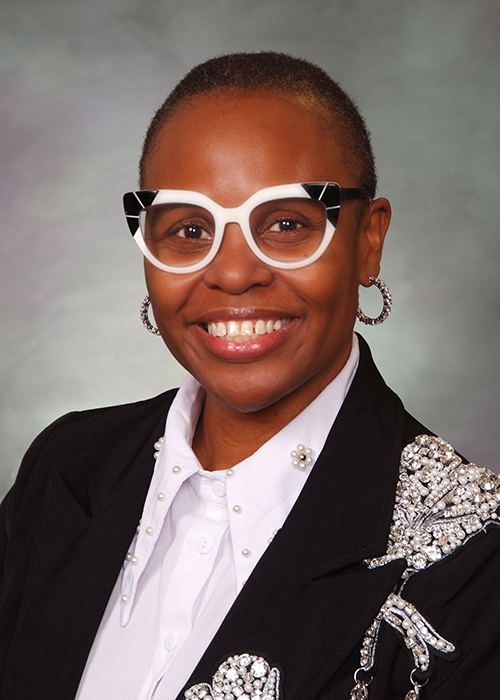
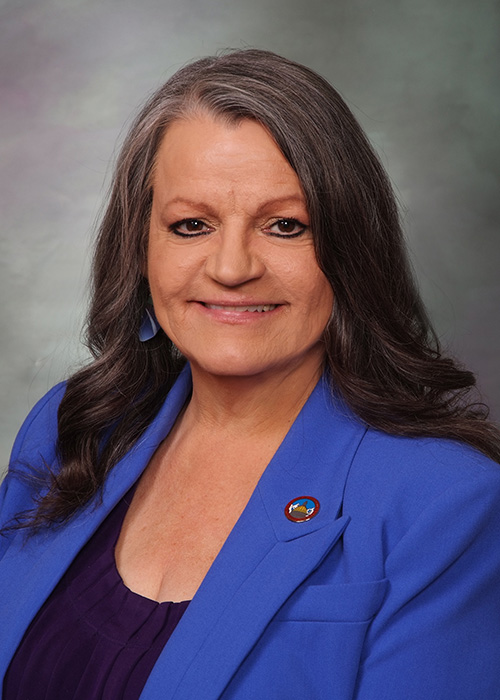
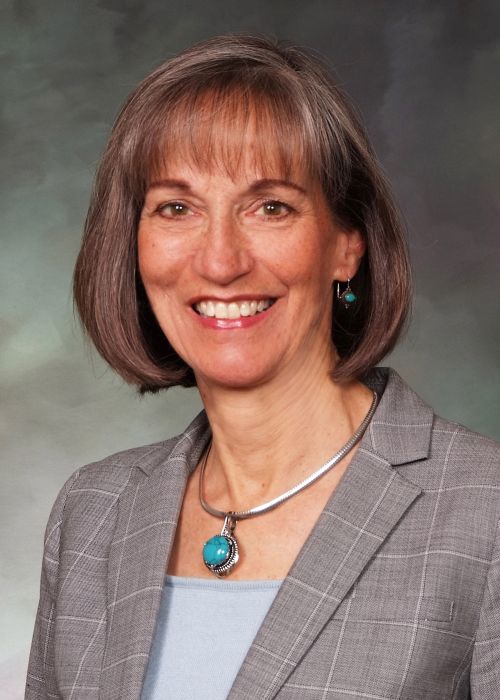
Sponsors
Role
Legislator
Party
State
District
P

Cathy Kipp
DDemocratic
P
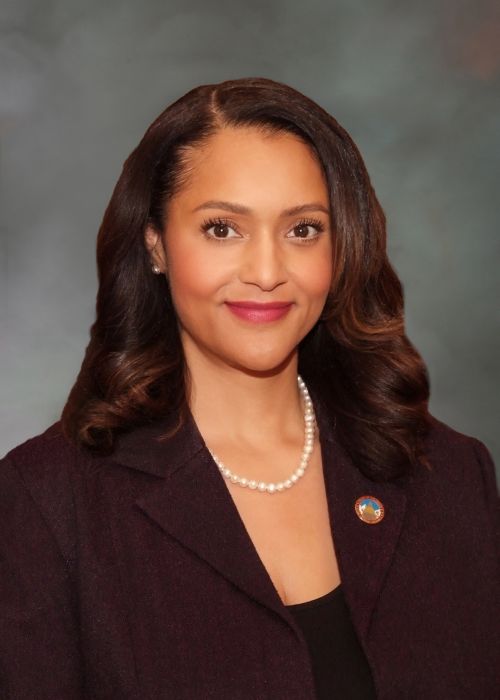
Jamie Jackson
DDemocratic
P
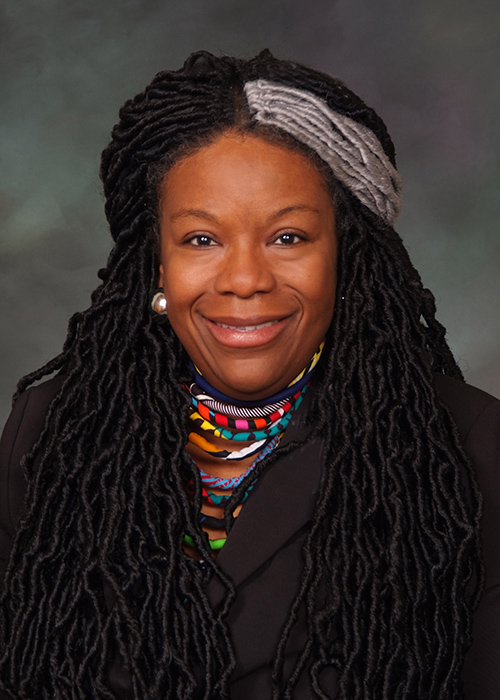
Jennifer Bacon
DDemocratic
P

Jessie Danielson
DDemocratic
Co
Adrienne Benavidez
DDemocratic
Co

Andy Boesenecker
DDemocratic
Co
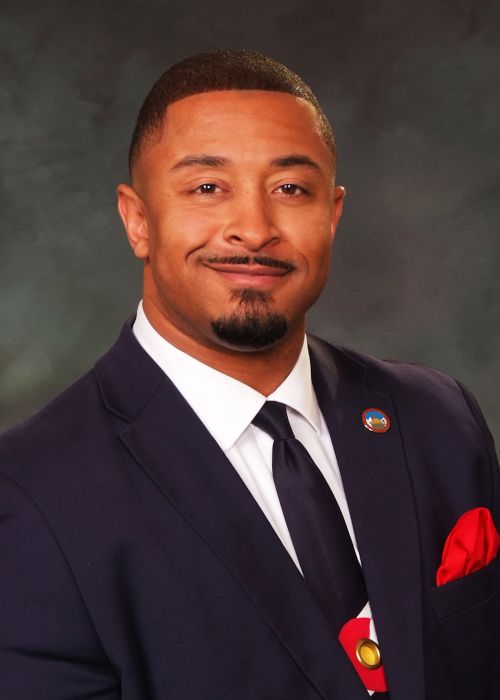
James Coleman
DDemocratic
Co
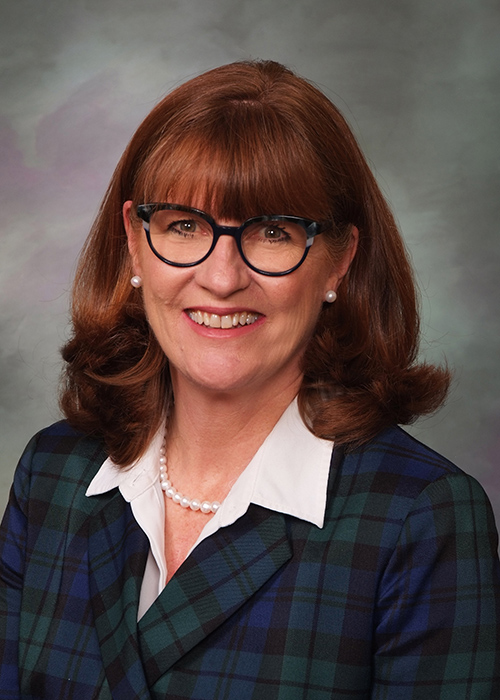
Julie McCluskie
DDemocratic
Co
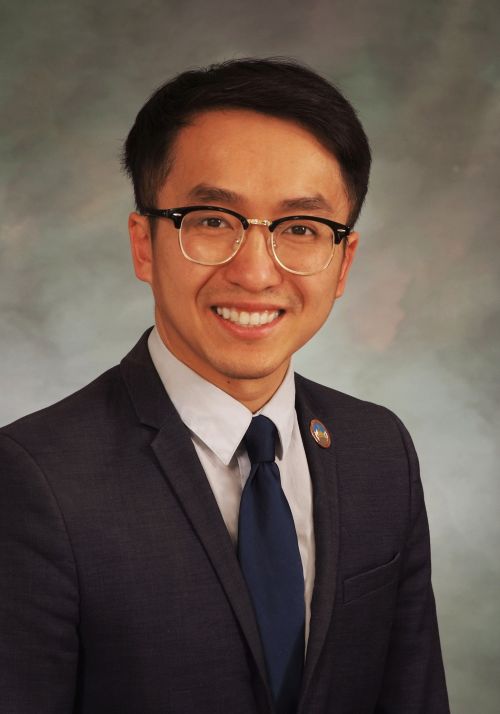
Kenny Nguyen
DDemocratic
Co
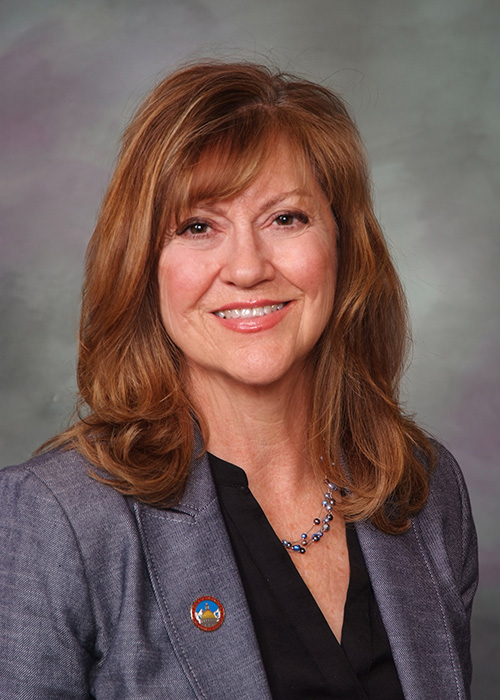
Lisa Cutter
DDemocratic
Co
LG
Lorena García
DDemocratic
Co

Mandy Lindsay
DDemocratic
Co

Manny Rutinel
DDemocratic
Co
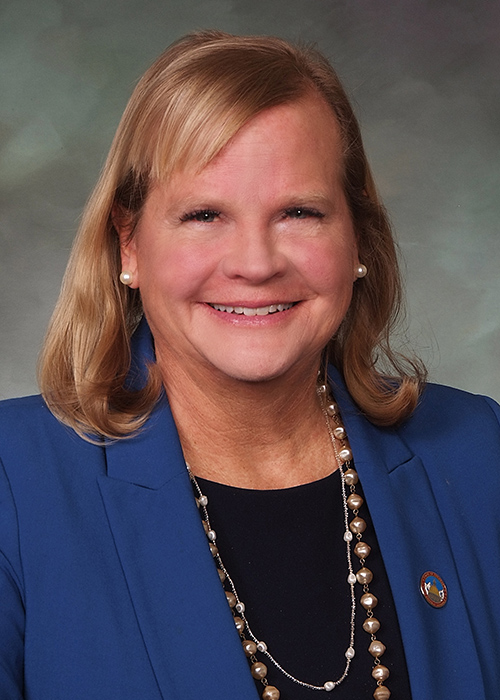
Meg Froelich
DDemocratic


Ask Maddy
·
AI policy assistant
Ask Maddy about HB 1207
Scope: CO
Hi! I can help you understand HB 1207. What would you like to know?
Try one of these
i
Maddy answers using official bill text and legislative records. Always verify before sharing.
Sources cited inline