

Modification of County Commissioner Elections
Summary
Currently, in a county with a population of 70,000 or more (covered county) , the board of county commissioners (board) may consist of 3 or 5 commissioners. If the board consists of 3 commissioners, the county is divided into 3 districts, with one commissioner elected from each district by voters in the district or voters of the whole county. Alternatively, the board may consist of 5 commissioners, in which case the county may be divided into 3 or 5 districts, and the commissioners may be elected pursuant to numerous methods, including by district, at large, or by some combination of both methods. The bill eliminates modifies this discretionary system and instead requires any county with a population of 70,000 or more ( so that if a covered county ) to elect has 3 commissioners, the commissioners must be elected by district only by voters resident in those districts. If a covered county has 5 commissioners , the commissioners must be elected by one of the following 2 alternative methods of election :5 commissioners resident in 5 districts elected only by voters resident in those districts (by-district method) ; or 5 3 commissioners elected by district only by voters in those districts and 2 commissioners elected at large using a ranked voting method by voters of the whole county (combination method) . The board of a covered county that has 3 commissioners must refer a resolution to the electors of the county at the general election during each decennial census year to ask the electors whether they would like to increase the board to 5 commissioners and, if so, which of the two alternative methods of election they prefer for electing those 5 commissioners. The board of a covered county that has 5 commissioners is required to adopt a resolution designating the 2 alternative methods of electing the 5 county commissioners no later than its first regularly scheduled meeting in the calendar year 2027 . or its first regularly scheduled meeting in the month following becoming a covered county. The board is required to refer the resolution to the electors of the county at the first general election following its adoption for those electors to select their preferred method of electing the 5 commissioners. A covered county that has a board consisting of 5 commissioners and that already elects its commissioners according to one of the 2 alternative methods using either the by-district method or the combination method of election is not required to pass a resolution. With a petition signed by at least 5% of the qualified electors of the county, the electors of a covered county that has a board consisting of 5 commissioners may also place on the ballot at a general election the question of whether to change the method of electing members of the board from one of the 2 alternative methods of election to the other. A home rule county that elects more than half of its county commissioners by district or using a ranked voting method is exempt from the requirements of the bill. The bill also makes conforming amendments.(Note: Italicized words indicate new material added to the original summary; dashes through words indicate deletions from the original summary.)(Note: This summary applies to the reengrossed version of this bill as introduced in the second house.)
Bill status
passed
3 of 5 stages cleared
Introduction
Feb 2026
Committee Review
Apr 2026
House Passage
Mar 2026
Senate Passage
Governor
Introduced Feb 11, 2026
Last action Apr 21, 2026
Maddy AI version diff · 2 comparisons
What changed between versions
Engrossed
→
Reengrossed
·
3 edits
·
Mar 16, 2026
MINOR
The bill title was updated from 'Engrossed' to 'Reengrossed' to reflect that it now includes all amendments adopted in the House of Introduction. Additionally, a new note was added indicating that a specific bill summary for this reengrossed version is available as of March 16, 2026, replacing the previous general disclaimer. The list of House sponsors was also expanded to include two new legislators, Lindsay and Sirota.
TECHNICAL
Added two new House sponsors, Lindsay and Sirota, to the official list of bill sponsors.
Changed the bill status header from 'ENGROSSED' to 'REENGROSSED' to indicate the inclusion of all House amendments.
Inserted a new notice specifying that a bill summary for the reengrossed version is available as of March 16, 2026.
Floor votes · House Mar 16, 2026
How they voted
34–27
Passed · 3 other
Total votes 64
Mar 16, 2026
D
Democratic42
80% Yea
R
Republican22
86% Nay
Vote distribution
All Yea
All Nay
Mixed
No data
Full legislative history
Actions timeline
Total actions
7
Key actions
3
Committee
2
Apr 21, 2026
Upper · Passed
Senate Committee on State, Veterans, & Military Affairs Postpone Indefinitely
upper
Mar 19, 2026
Introduced
Introduced In Senate - Assigned to State, Veterans, & Military Affairs
upper
Mar 16, 2026
Lower · Passed
House Third Reading Passed - No Amendments
lower
Mar 2, 2026
Lower · Passed
House Committee on State, Civic, Military, & Veterans Affairs Refer Amended to House Committee of the Whole
lower
Feb 11, 2026
Introduced
Introduced In House - Assigned to State, Civic, Military, & Veterans Affairs
lower
16 primary · 2 co-sponsors
Sponsors
Role
Legislator
Party
State
District
P
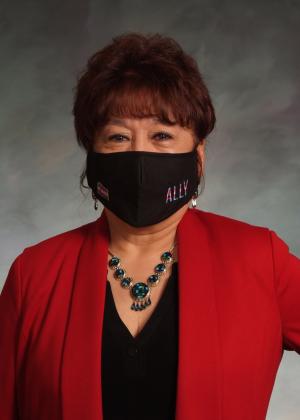
Adrienne Benavidez
DDemocratic
P

Bob Marshall
DDemocratic
P
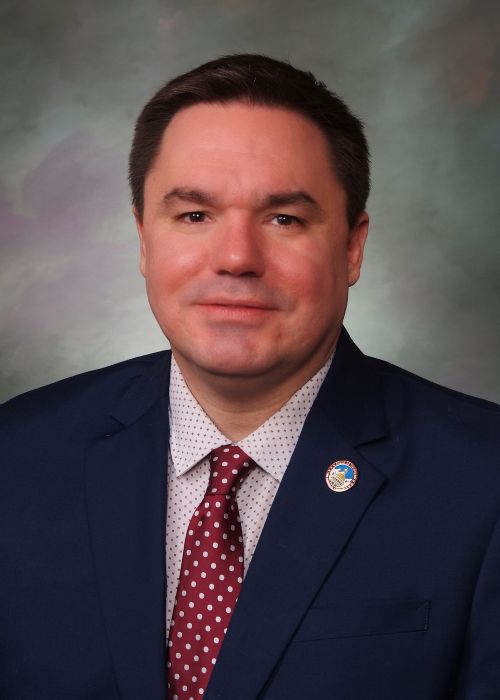
Chad Clifford
DDemocratic
P
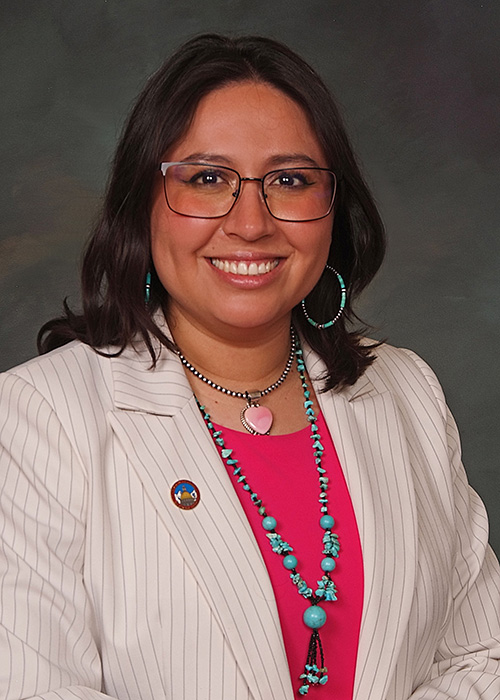
Elizabeth Velasco
DDemocratic
P
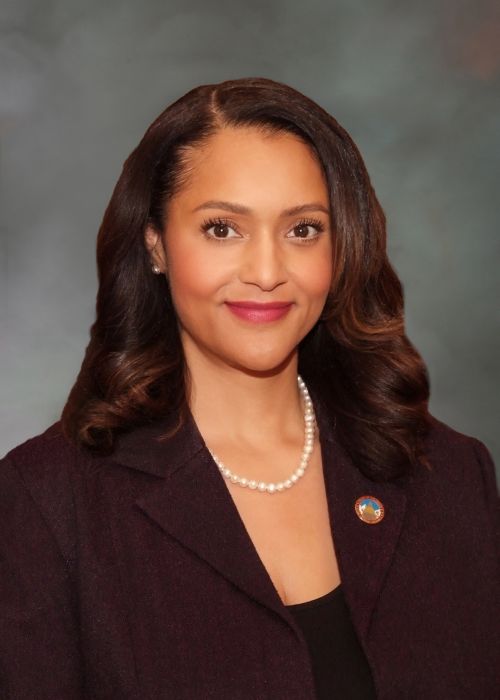
Jamie Jackson
DDemocratic
P

Javier Mabrey
DDemocratic
P
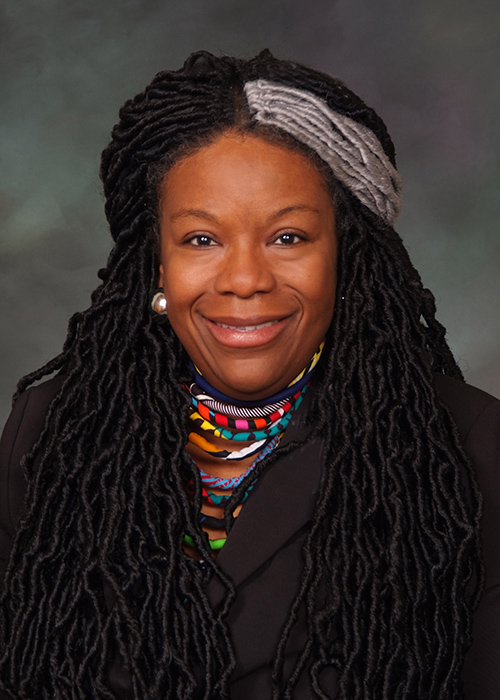
Jennifer Bacon
DDemocratic
P

Junie Joseph
DDemocratic
P
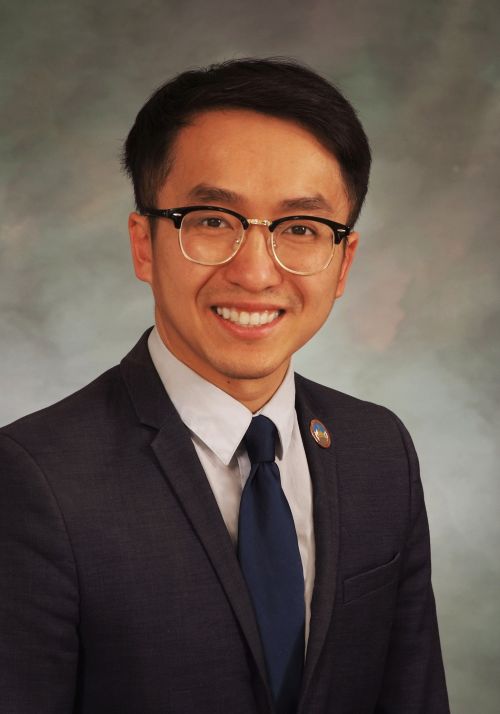
Kenny Nguyen
DDemocratic
P

Larry Liston
RRepublican
P
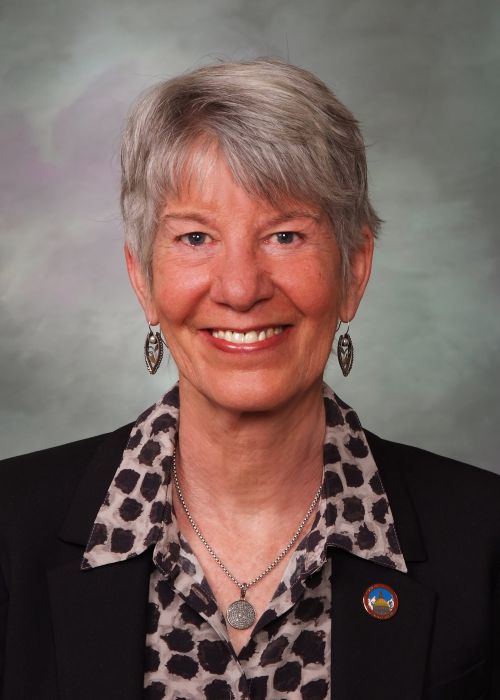
Lesley Smith
DDemocratic
P
LG
Lorena García
DDemocratic
P
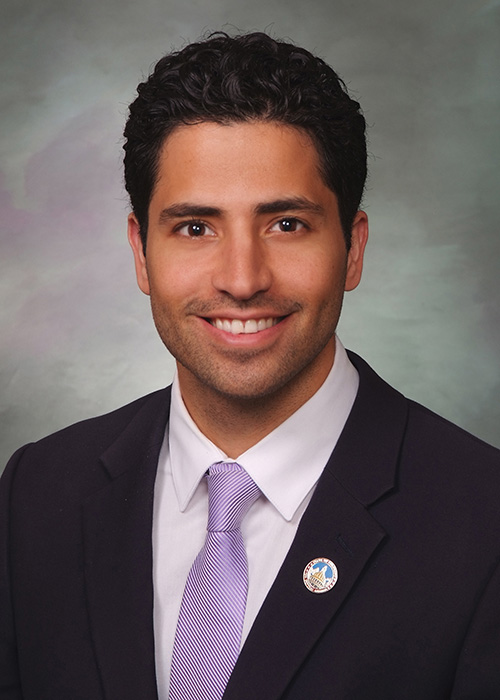
Manny Rutinel
DDemocratic
P
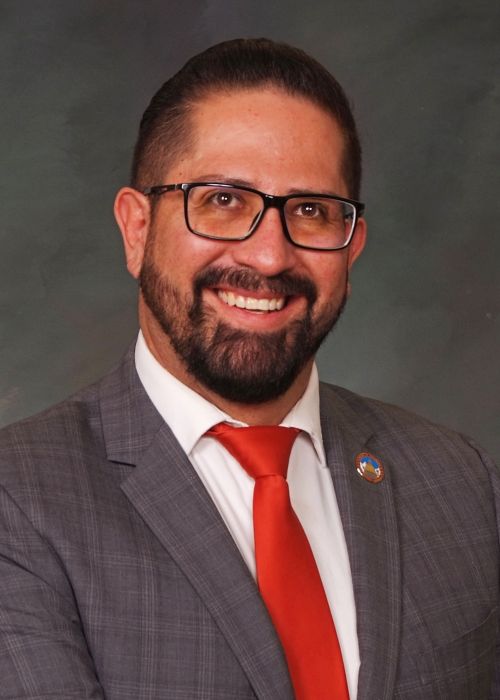
Matt Martinez
DDemocratic
P

Nick Hinrichsen
DDemocratic
P

Steven Woodrow
DDemocratic
Co

Emily Sirota
DDemocratic
Co

Mandy Lindsay
DDemocratic
Ask Maddy
·
AI policy assistant
Ask Maddy about HB 1203
Scope: CO
Hi! I can help you understand HB 1203. What would you like to know?
Try one of these
i
Maddy answers using official bill text and legislative records. Always verify before sharing.
Sources cited inline