Second Language Educational Program for High School Students
What changed between versions
Added a new 'seal of bilingualism' endorsement for students who demonstrate oral proficiency in English and at least one world language, whereas previously only biliteracy endorsements were available.
Expanded access for students in districts without formal biliteracy programs by clarifying that local education providers can grant endorsements based on various forms of evidence, including oral assessments and standardized tests.
Updated the requirements for the seal of biliteracy to include oral proficiency options (speaking and listening) in addition to reading and writing, allowing students to prove skills through oral assessments or nationally recognized tests.
Formally defined 'bilingualism' as the ability to speak, actively listen to, and understand two languages, distinguishing it from 'biliteracy' which requires reading and writing skills.
How they voted
Actions timeline
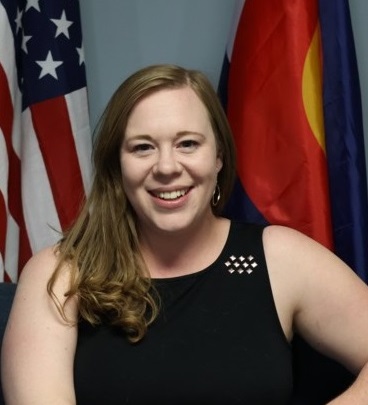
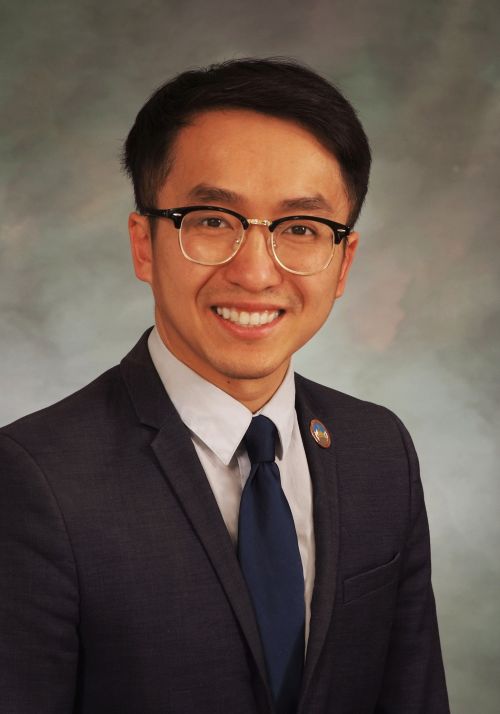
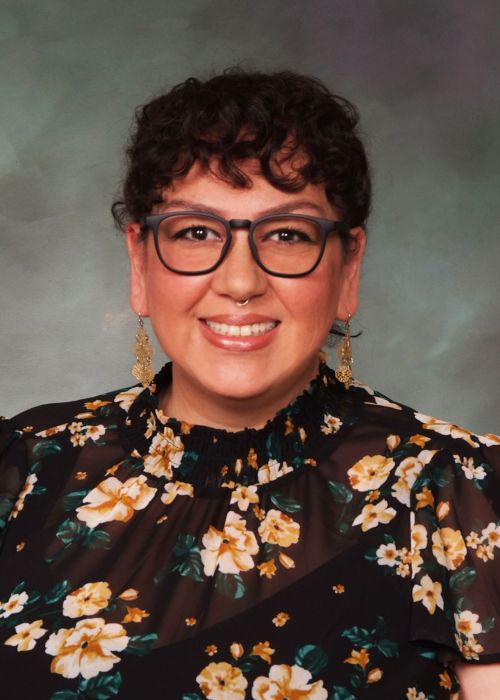
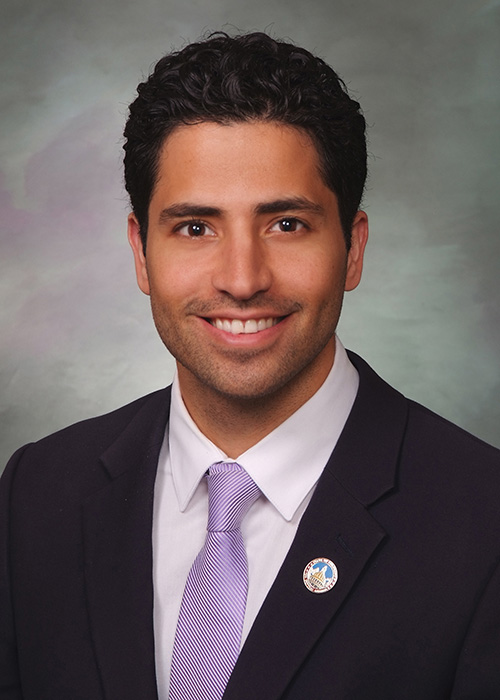
Sponsors