

Embodied Carbon Reduction
Summary
Embodied carbon is the carbon associated with greenhouse gas emissions arising from the production, construction, use, and end-of-life of products or systems used in the construction of buildings, roads, and other infrastructure. Section 1 of the act adds embodied carbon improvements to the list of new energy improvements that are eligible for property-assessed clean energy financing provided by the Colorado new energy improvement district. An embodied carbon improvement is one or more installations or modifications to real property using eligible materials that result in the reduction of the installation's or modification's embodied carbon emissions. Section 2 modifies the industrial clean energy tax credit so that embodied carbon investments are greenhouse gas emissions reduction improvements that, if certified, are eligible for the credit for a portion of the capital costs incurred in placing them in service. An embodied carbon investment is one that results in a 15% or greater reduction in cradle-to-gate embodied emissions of eligible materials when compared to the eligible materials' cradle-to-gate baseline. (Note: This summary applies to this bill as enacted.)
Bill status
signed
all 5 stages cleared
Introduction
Feb 2025
Committee Review
Apr 2025
Senate Passage
Apr 2025
House Passage
Apr 2025
Signed into Law
May 2025
Introduced Feb 26, 2025
Signed May 28, 2025
Maddy AI version diff · 7 comparisons
What changed between versions
Revised (04/24/2025)
→
PA1 (03/13/2025)
·
2 edits
MINOR
The bill was amended to change its status from a revised version to a preamended version, indicating that committee amendments have been added but not yet adopted by the full Senate. The most significant substantive change is the addition of a new Section 4 that subjects the bill to a referendum petition process, meaning the act will not take effect unless approved by voters at the November 2026 general election if a petition is filed within 90 days after the legislative session ends.
Scope change
The bill's effective date and implementation timeline changed significantly. Previously, the bill would have taken effect immediately upon passage, but now it includes a referendum provision that allows voters to block the legislation through a petition process before it becomes law.
TIMELINE
Added a new Section 4 establishing that the bill is subject to a referendum petition process. If a petition is filed within 90 days after the general assembly adjourns, the act will not take effect unless approved by voters at the November 2026 general election.
TECHNICAL
Changed the document header from 'REVISED' (indicating all amendments adopted) to 'PREAMENDED' (indicating unofficial version with committee amendments not yet adopted). Also updated sponsor lists and committee assignments.
Floor votes · Senate Apr 17, 2025 · House Apr 25, 2025
How they voted
32–2
Passed
Total votes 34
Apr 17, 2025
D
Democratic22
100% Yea
R
Republican12
83% Yea
Vote distribution
All Yea
All Nay
Mixed
No data
Full legislative history
Actions timeline
Total actions
14
Key actions
5
Committee
3
May 28, 2025
Signed into law
Governor Signed
executive
Apr 25, 2025
Lower · Passed
House Third Reading Passed - No Amendments
lower
Apr 22, 2025
Lower · Passed
House Committee on Transportation, Housing & Local Government Refer Unamended to House Committee of the Whole
lower
Apr 17, 2025
Introduced
Introduced In House - Assigned to Transportation, Housing & Local Government
lower
Apr 17, 2025
Upper · Passed
Senate Third Reading Passed - No Amendments
upper
Apr 11, 2025
Upper · Passed
Senate Committee on Appropriations Refer Unamended to Senate Committee of the Whole
upper
Mar 12, 2025
Committee
Senate Committee on Transportation & Energy Refer Amended to Appropriations
upper
Feb 26, 2025
Introduced
Introduced In Senate - Assigned to Transportation & Energy
upper
4 primary · 15 co-sponsors
Sponsors
Role
Legislator
Party
State
District
P
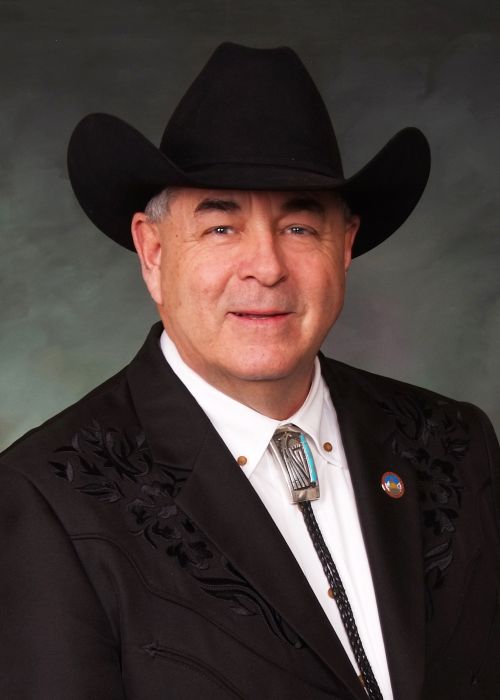
Cleave Simpson
RRepublican
P

Kyle Brown
DDemocratic
P

Matt Ball
DDemocratic
P
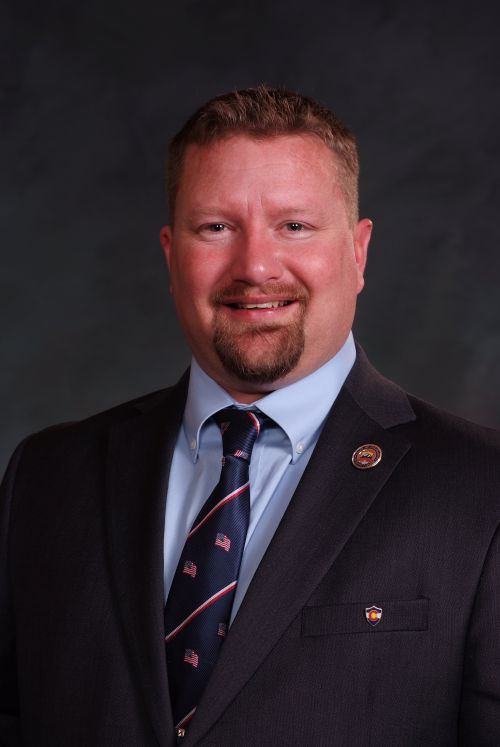
Ron Weinberg
RRepublican
Co
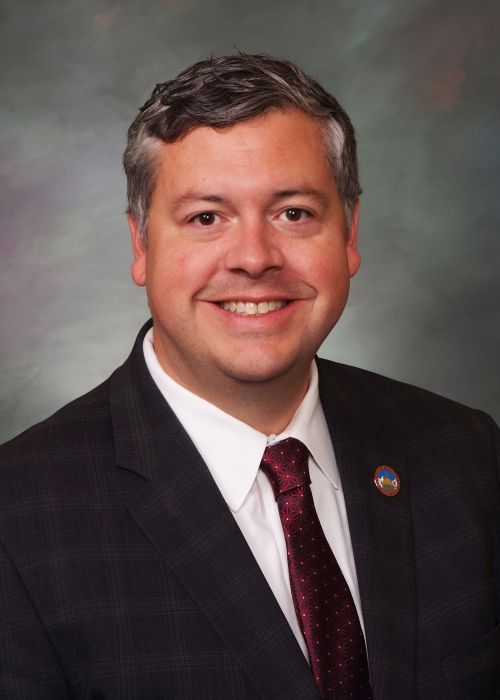
Alex Valdez
DDemocratic
Co

Amy Paschal
DDemocratic
Co

Andy Boesenecker
DDemocratic
Co

Cathy Kipp
DDemocratic
Co
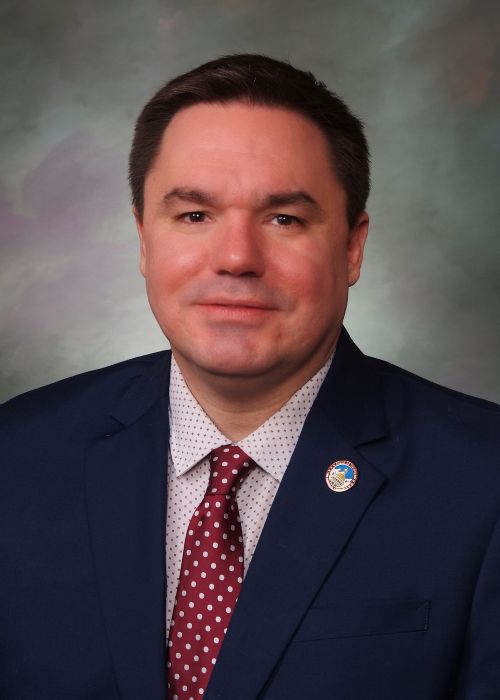
Chad Clifford
DDemocratic
Co
FW
Faith Winter
DDemocratic
Co

Jeff Bridges
DDemocratic
Co
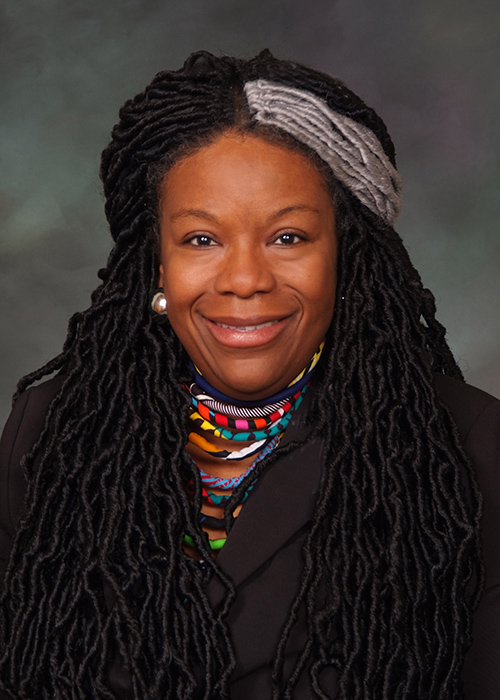
Jennifer Bacon
DDemocratic
Co

Judy Amabile
DDemocratic
Co
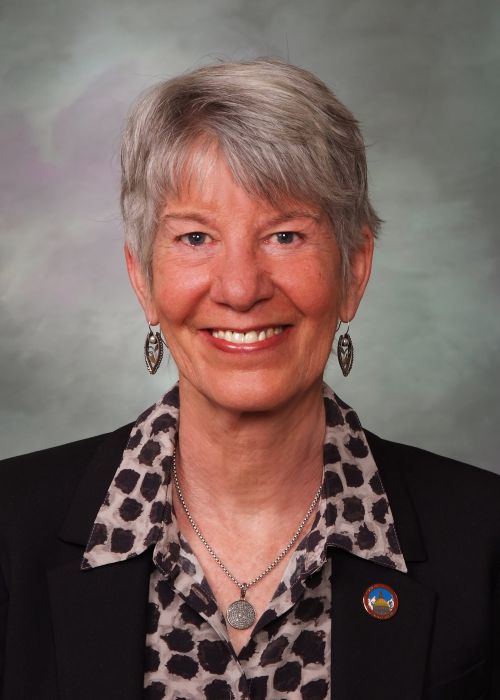
Lesley Smith
DDemocratic


Ask Maddy
·
AI policy assistant
Ask Maddy about SB 25-182
Scope: CO
Hi! I can help you understand SB 25-182. What would you like to know?
Try one of these
i
Maddy answers using official bill text and legislative records. Always verify before sharing.
Sources cited inline