

Regional Building Codes for Factory-Built Structures
Summary
The act provides that, after the state housing board (board) adopts rules about any activity required to undertake or complete the construction or installation of a factory-built nonresidential structure, a factory-built residential structure, or a factory-built tiny home (factory-built structure), the state plumbing board, the state electrical board, and the state fire suppression administrator do not have jurisdiction over and their rules do not apply to a factory-built structure. The advisory committee on factory-built structures and tiny homes (advisory committee) is required to develop regional building codes standards accounting for local climatic and geographic conditions and fire suppression activities to ensure safety, to apply the most stringent of these requirements for the construction and installation of factory-built structures, and to develop implementation requirements. The advisory committee must submit the recommended codes and implementation requirements to the board. Any future statewide adopted codes contemplated in statute must be vetted through the advisory committee for consideration for adoption by the board. The act requires that plumbing or electrical installations that connect factory-built structures to external utility sources and that are not considered actions to complete the installation of a factory- built structure as required by a registered installer must be completed by a licenced plumber or electrician under a registered plumbing or electrical contractor. The inspection and inspectors of these installations, other than those authorized to be performed by a registered installer, must be performed by licensed plumbing or electrical inspectors. During the 2026 legislative session, the department of local affairs (department) shall present the recommendations of the advisory committee related to the development of regional building codes accounting for local climatic and geographic conditions and fire suppression activities, and improved coordination between the state and local permitting process onsite for the construction and installation of factory-built structures, to the senate local government and housing committee and the house transportation, housing, and local government committee prior to consideration and adoption by the board. The department shall report on the outcomes as part of its 2031 "SMART Act" hearing. On or before July 1, 2026, the board must adopt rules: Establishing regional building code standards from the advisory committee that account for local climatic and geographic conditions, and fire protection and suppression activities for the construction and installation of factory-built structures developed by the advisory committee, which supersede any conflicting ordinance, code, regulation, or other law of a local government unless the local government adopts the rules of the board; Establishing requirements based on the recommendations developed by the advisory committee, including the continued authorization of a local government certified by the division of housing (division) to perform inspections of factory-built structures on behalf of the division and registration, responsibility, and accountability requirements for a manufacturer, installer, seller, or general contractor who develops the installation site or completes the construction of a factory-built structure at the installation site; Covering electrical or plumbing codes required to undertake or complete the construction or installation of a factory-built structure; Allowing the division to contract for third-party review and approval of a final design and construction plan for a factory-built structure on behalf of the division; Allowing the division to create a process for vetting and approving the ability of a third party to review and approve a final design and construction plan for a factory-built structure on behalf of the division; and Requiring the division to cause an audit to be performed on a third party that reviews and approves design and construction plans, on a third party that conducts inspections on its behalf, of contracts of sellers to verify compliance, and to ensure protection of down payments made by purchasers that are retained by the seller of manufacturer. A county or municipality may not: Enact a regulation that excludes factory-built structures from the county or municipality; Impose more restrictive standards on factory-built structures than those that the county or municipality applies to site-built homes in the same residential zones in the county or municipality; or Enact or enforce a regulation, law, or ordinance affecting the installation or construction of a factory-built structure that is more stringent than a regulation, ordinance, or law that applies to other types of construction. A county or municipality may enact: Land use regulations to the extent that the regulations are applicable to existing similar housing or structures or new site-built housing in the county or municipality; A building code provision for unique public safety requirements unless the provision applies to a factory-built structure; and Rules regulating above-grade site-built components of a factory-built structure. Factory-built homes certified by the division prior to the effective date of the regional building code standards adopted by the board are subject to state or local rules concerning unique public safety requirements related to geographic conditions or wildfire risk relating to the construction and installation of the structures existing before the effective date of the regional building code standards. A county or municipality must comply with the requirements established by the division for factory-built structures and by the United States department of housing and urban development for manufactured homes. The act repeals the ability of local governments to adopt different standards for factory-built housing than those adopted by the division only if: The board adopts rules establishing requirements for factory-built housing based on the recommendations of the advisory committee; and The board notifies the revisor of statutes in writing via email of the adoption of the rules. The act changes the composition of the advisory committee from 15 to 19 members. The membership changes include the: Addition of four members from building code enforcement, each representing a local building department from climate zones 4, 5, 6, and 7, instead of 3 members from building code enforcement; Removal of a member with experience in mechanical engineering or contracting; Substitution of a member who is a licensed electrician who may be employed by the department of regulatory agencies for a member from electrical engineering or contracting; Substitution of a member who is a licensed plumber who may be employed by the department of regulatory agencies for a member from the plumbing industry; Removal of a member from the construction design or producer industry; Substitution of 3 members from factory-built structure construction for 2 members from manufactured housing; Subtraction of one of the 2 current members from the tiny home industry; Addition of one member who is a developer specializing in the use of factory-built structures in projects; Addition of one member from climate resiliency; Addition of one member who is a registered installer; Addition of one member who is a registered seller; and Addition of one member who is an individual representing emergency services or management. The state treasurer shall transfer $600,000 on July 1, 2025, from the innovative housing incentive program fund to the building regulation fund. The act excludes the building regulation fund from the limitations on cash fund reserves. For the 2025-26 state fiscal year, the act appropriates $182,264 from the building regulation fund to the department for use by the division to implement the act. (Note: This summary applies to this bill as enacted.)
Bill status
signed
all 5 stages cleared
Introduction
Jan 2025
Committee Review
Apr 2025
Senate Passage
Mar 2025
House Passage
Apr 2025
Signed into Law
May 2025
Introduced Jan 8, 2025
Signed May 8, 2025
Maddy AI version diff · 9 comparisons
What changed between versions
PA1 (02/07/2025)
→
PA2 (03/26/2025)
·
3 edits
MINOR
The bill was amended to expand its scope to include factory-built tiny homes alongside residential and nonresidential factory-built structures. Additionally, the bill now includes language authorizing an appropriation of funds to support the implementation of these changes.
Scope change
The bill's scope was expanded to explicitly include factory-built tiny homes in its regulatory framework, and it now includes provisions for funding an appropriation.
SCOPE
Added 'AND, IN CONNECTION THEREWITH, MAKING AN APPROPRIATION' to the bill title, indicating that the legislation now includes funding provisions.
Added 'or a factory-built tiny home' to the list of structures covered by the bill, expanding its applicability to include tiny homes.
TECHNICAL
Removed a line break or formatting element in the legislative declaration section (line 12), though the substantive content appears unchanged.
Floor votes · Senate Mar 31, 2025 · House Apr 21, 2025
How they voted
22–11
Passed · 1 other
Total votes 34
Mar 31, 2025
D
Democratic22
95% Yea
R
Republican12
91% Nay
Vote distribution
All Yea
All Nay
Mixed
No data
Full legislative history
Actions timeline
Total actions
15
Key actions
5
Committee
4
Amendments
1
May 8, 2025
Signed into law
Governor Signed
executive
Apr 23, 2025
Introduced
Senate Considered House Amendments - Result was to Concur - Repass
upper
Apr 21, 2025
Lower · Passed
House Third Reading Passed with Amendments - Floor
lower
Apr 17, 2025
Lower · Passed
House Committee on Appropriations Refer Amended to House Committee of the Whole
lower
Apr 8, 2025
Committee
House Committee on Transportation, Housing & Local Government Refer Amended to Appropriations
lower
Mar 31, 2025
Introduced
Introduced In House - Assigned to Transportation, Housing & Local Government
lower
Mar 31, 2025
Upper · Passed
Senate Third Reading Passed - No Amendments
upper
Mar 26, 2025
Upper · Passed
Senate Committee on Appropriations Refer Amended to Senate Committee of the Whole
upper
Feb 6, 2025
Committee
Senate Committee on Local Government & Housing Refer Amended to Appropriations
upper
Jan 8, 2025
Introduced
Introduced In Senate - Assigned to Local Government & Housing
upper
4 primary · 14 co-sponsors
Sponsors
Role
Legislator
Party
State
District
P

Andy Boesenecker
DDemocratic
P

Jeff Bridges
DDemocratic
P

Rebekah Stewart
DDemocratic
P
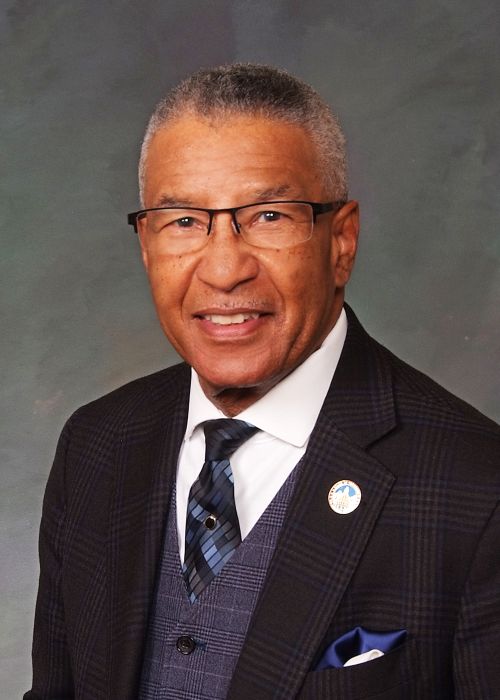
Tony Exum
DDemocratic
Co

Amy Paschal
DDemocratic
Co

Cathy Kipp
DDemocratic
Co

Dafna Michaelson Jenet
DDemocratic
Co
FW
Faith Winter
DDemocratic
Co

Gretchen Rydin
DDemocratic
Co

Julie Gonzales
DDemocratic
Co
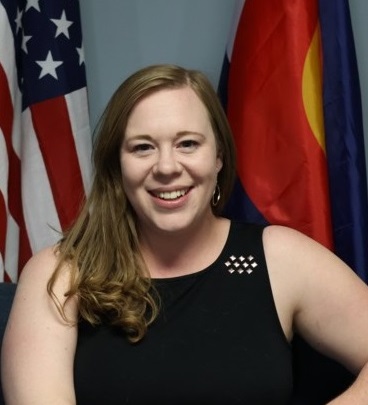
Katie Wallace
DDemocratic
Co

Kyle Brown
DDemocratic
Co

Lesley Smith
DDemocratic
Co

Lisa Cutter
DDemocratic


Ask Maddy
·
AI policy assistant
Ask Maddy about SB 25-002
Scope: CO
Hi! I can help you understand SB 25-002. What would you like to know?
Try one of these
i
Maddy answers using official bill text and legislative records. Always verify before sharing.
Sources cited inline