

Colorado Voting Rights Act
Summary
The act creates the Colorado Voting Rights Act (state voting rights act) and modifies certain election-related statutes in the following areas: Tribal voting; Ensuring voter access to methods of selecting candidates for the general election; Restrictions on electioneering and election-related activity near voting locations; Election and voting notices in facilities serving individuals with disabilities; Recounts; Election-related language access; and Election-related data collection. Creation of the state voting rights act. The act creates the state voting rights act, which prohibits political subdivisions from: Engaging in voter suppression by taking any action that results in, will result in, or is intended to result in a material disparity between electors who are members of a protected race, color, or language minority group or other minority reporting group (protected class members) and other eligible electors in regard to voter participation, access to voting opportunities, or the opportunity or ability to participate in the political process; Engaging in voter dilution by enacting or employing any method of election that has the effect of, or is motivated in part by the intention of, disparately impairing the opportunity or ability of protected class members to elect the candidates of their choice or otherwise influence the outcome of elections as a result of diluting the vote of protected class members ; Implementing, imposing, or enforcing a voting qualification or another prerequisite to voting based on an individual's actual or perceived gender identity, gender expression, or sexual orientation; or Implementing, imposing, or enforcing an additional voting qualification or another prerequisite to voting based on an individual's confinement to a local jail, other than those eligibility qualifications that already exist. An aggrieved individual or organization (aggrieved person) may file a civil suit alleging voter suppression; voter dilution; an unlawful voting prerequisite based on gender identity, gender expression, or sexual orientation; or an unlawful voting prerequisite based on confinement to a local jail. The attorney general may investigate potential violations of the act and may file suit to enforce the act or may intervene in an aggrieved individual's or organization's civil suit. Except under specific circumstances, before filing suit, an aggrieved person or the attorney general must send a notification letter describing the alleged violation of the act to the political subdivision. The political subdivision is given 60 or 180 days to adopt a resolution providing for a solution to the alleged violation. Tribal voting. The act clarifies that an identification card, which need not contain a photograph, that is issued by the federal bureau of Indian affairs, Indian health service, or any other federal agency that issues identification certifying tribal membership and that includes an address in Colorado constitutes a valid identification for registration purposes and, upon request of a tribal council, requires a county to establish a drop box, rather than a drop-off location as was previously the case, within the boundaries of a federal reservation. Ensuring voter access to methods of selecting candidates for a general election. The act requires each major political party to ensure that any future alternative process by which a party may select candidates for a general election allows voters not able to attend in person to participate to the same extent as those voting in person, including requiring a process for individuals to vote that does not require in-person voting. Restrictions on electioneering and election-related activity near voting locations. The act clarifies that the restrictions on electioneering and election-related activity conducted within 100 feet of a polling location or drop-off location also apply to drop boxes. Election and voting notices in facilities serving individuals with disabilities. The act imposes a requirement on specified care facilities that provide services primarily to individuals with disabilities to publicly display, in each building in which they serve clients, notices related to voting during the 30 days preceding a general or coordinated election. Recounts. Before a recount, a canvass board has been required to test at least one ballot scanner with a group of 10 test ballots marked by at least 2 canvass board members of different party affiliations. The act changes this process so that each canvass board member, other than the clerk, must separately mark their own group of 10 test ballots. The act also clarifies the duties of a canvass board and a county clerk and recorder in conducting a recount. Election-related language access. The act expands existing requirements for the creation of multilingual ballots from only applying to qualifying counties to also applying to qualifying municipalities. The county clerk and recorder for a county that meets certain requirements for the population or percentage of the voting-age population within the relevant jurisdiction who are minority language speakers and who speak English less than very well has been required to provide multilingual ballots. The act requires a municipal clerk to provide multilingual ballot access if the municipality has a population of at least 3,000 and the municipality exists partially or wholly within a county covered by the existing multilingual ballot requirements. Election-related data collection. The act requires the secretary of state to collect, maintain, and make publicly available data related to elections, including demographics, election results, and voting information. After each election, political subdivisions are required to submit election-related information to the secretary of state. The department of local affairs is also required to annually provide certain demographic information to the secretary of state. The act also changes current law from allowing a custodian of records to deny the right of inspection of certain records and information maintained by the department of revenue to requiring the denial of such inspection. For the 2025-26 fiscal year, $75,432 is appropriated from the department of state cash fund to the department of state for use by the elections division for implementation of the act. The act applies to elections and election-related activities occurring on or after January 1, 2026. (Note: This summary applies to this bill as enacted.)
Bill status
signed
all 5 stages cleared
Introduction
Jan 2025
Committee Review
Apr 2025
Senate Passage
Mar 2025
House Passage
Apr 2025
Signed into Law
May 2025
Introduced Jan 8, 2025
Signed May 12, 2025
Maddy AI version diff · 9 comparisons
What changed between versions
PA1 (03/18/2025)
→
PA2 (03/26/2025)
·
2 edits
MINOR
The bill title was amended to include an appropriation, indicating new funding is being authorized. Additionally, a requirement for covered entities to display voting notices in buildings was removed, eliminating a specific public notice obligation.
Scope change
The bill's scope was expanded to include funding authorization, while a specific requirement for covered entities to display voting notices was removed.
FISCAL
The bill title was updated to include 'and making an appropriation,' indicating that new funding is being authorized to support the bill's provisions.
REQUIREMENT
A requirement for covered entities to publicly display voting notices in each building they occupy and serve clients was removed, reducing the number of mandatory public disclosure obligations.
Floor votes · Senate Mar 31, 2025 · House Apr 28, 2025
How they voted
21–12
Passed · 1 other
Total votes 34
Mar 31, 2025
D
Democratic22
95% Yea
R
Republican12
100% Nay
Vote distribution
All Yea
All Nay
Mixed
No data
Full legislative history
Actions timeline
Total actions
16
Key actions
5
Committee
4
Amendments
1
May 12, 2025
Signed into law
Governor Signed
executive
Apr 29, 2025
Introduced
Senate Considered House Amendments - Result was to Concur - Repass
upper
Apr 28, 2025
Lower · Passed
House Third Reading Passed - No Amendments
lower
Apr 22, 2025
Lower · Passed
House Committee on Appropriations Refer Unamended to House Committee of the Whole
lower
Apr 14, 2025
Committee
House Committee on State, Civic, Military, & Veterans Affairs Refer Amended to Appropriations
lower
Mar 31, 2025
Introduced
Introduced In House - Assigned to State, Civic, Military, & Veterans Affairs
lower
Mar 31, 2025
Upper · Passed
Senate Third Reading Passed - No Amendments
upper
Mar 26, 2025
Upper · Passed
Senate Committee on Appropriations Refer Amended to Senate Committee of the Whole
upper
Feb 18, 2025
Committee
Senate Committee on State, Veterans, & Military Affairs Refer Amended to Appropriations
upper
Jan 8, 2025
Introduced
Introduced In Senate - Assigned to State, Veterans, & Military Affairs
upper
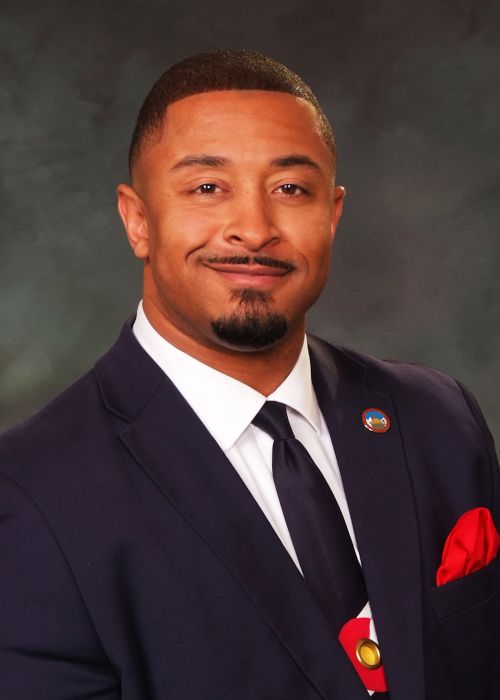
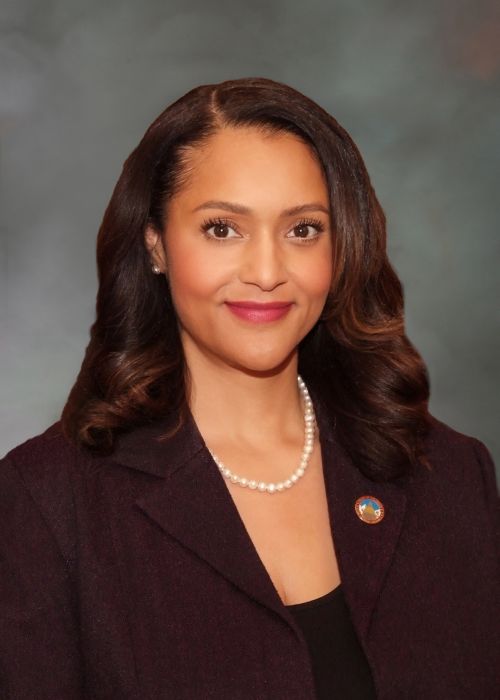
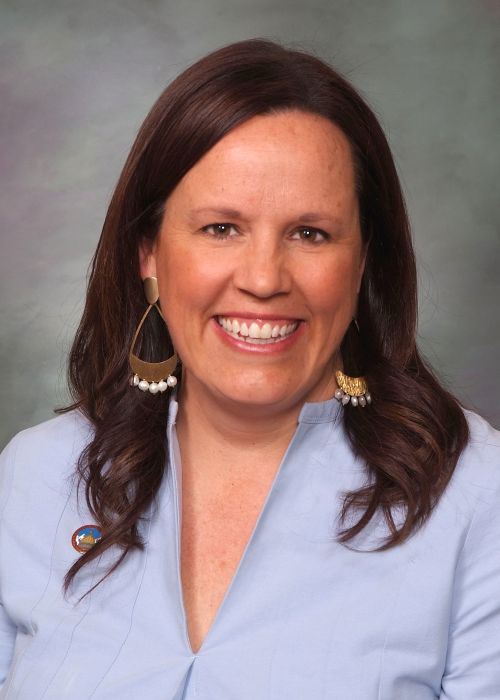
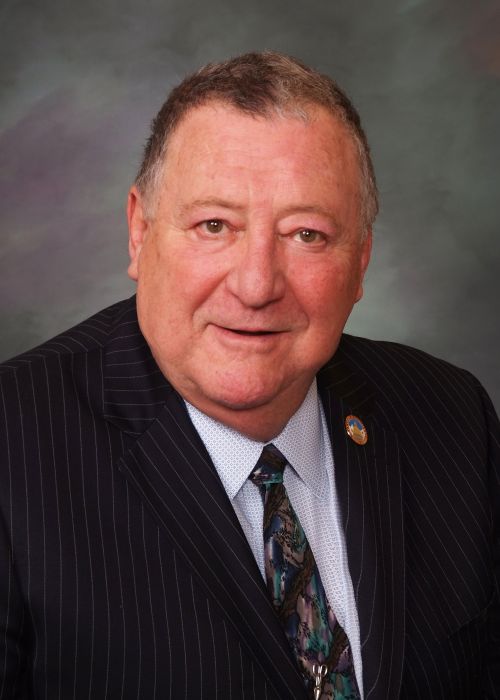
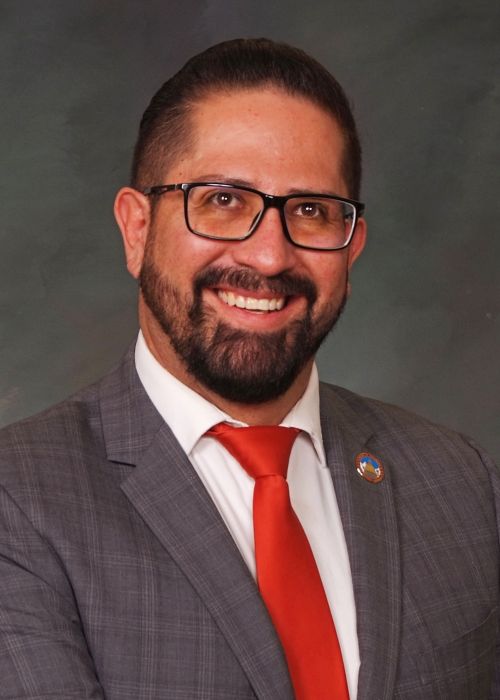
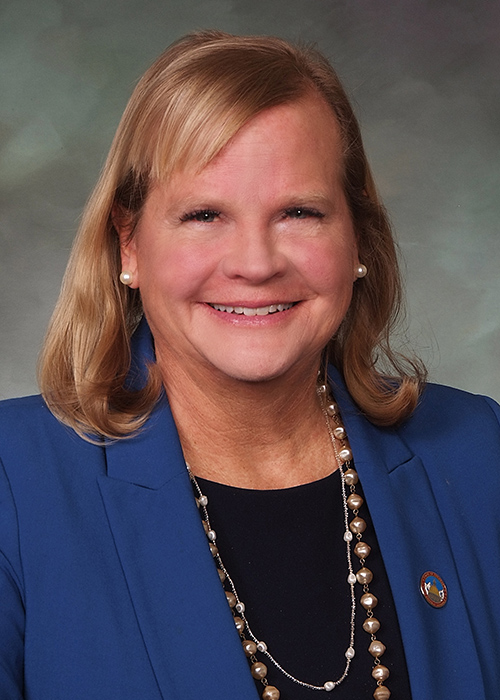
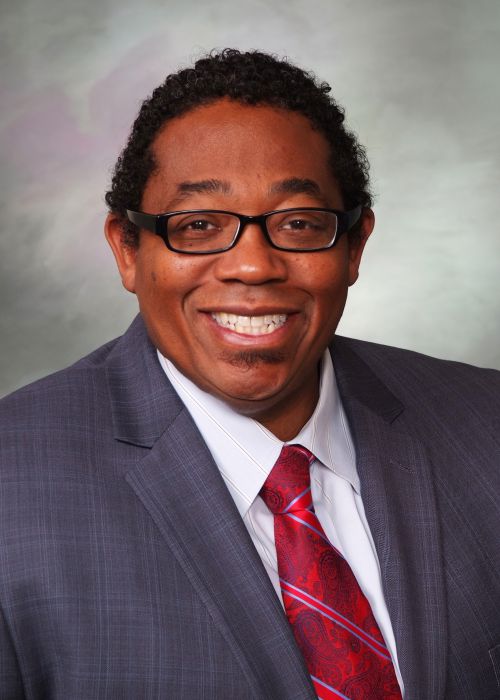
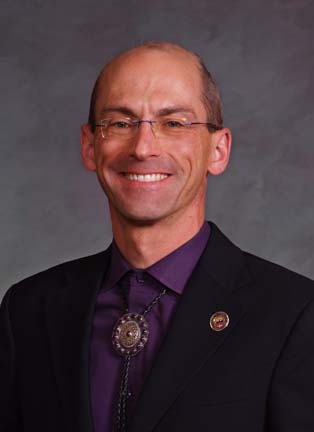
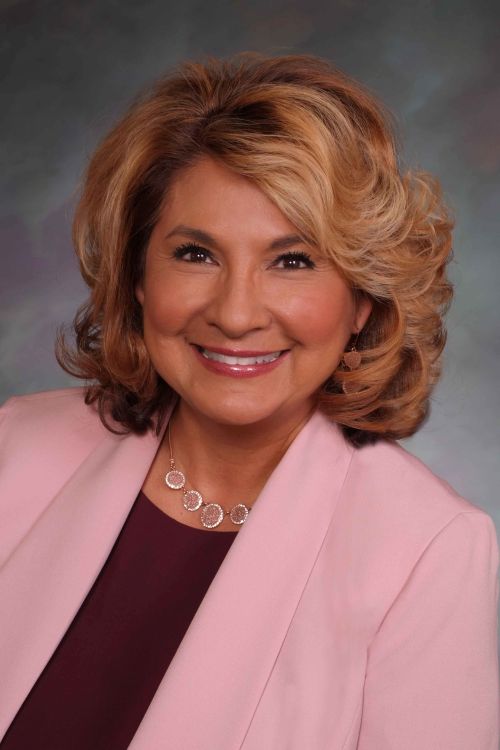
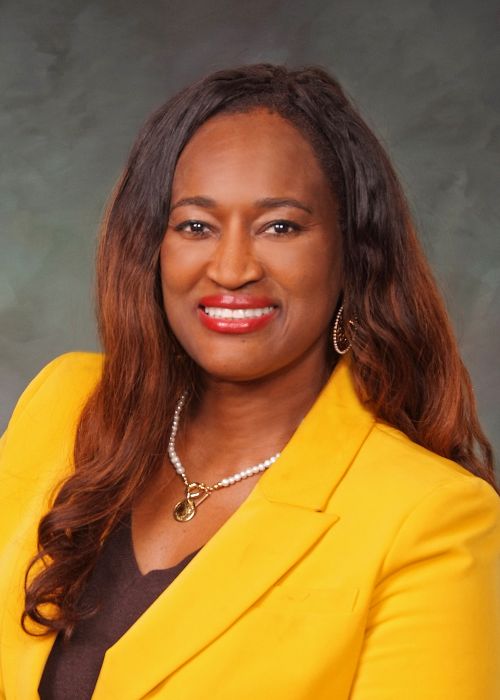
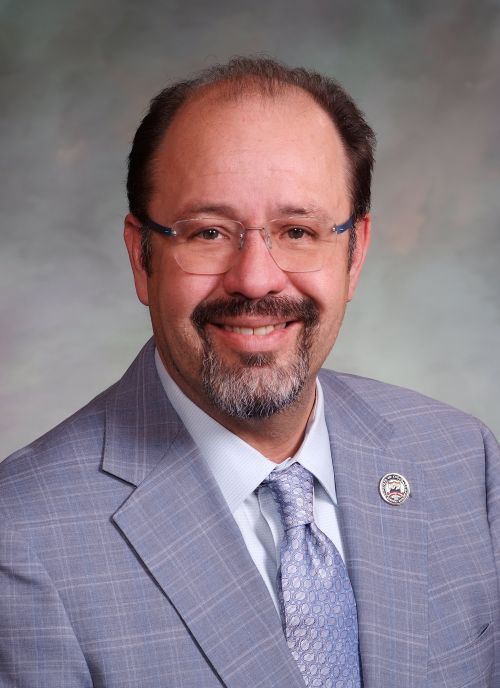
3 primary · 54 co-sponsors
Sponsors
Role
Legislator
Party
State
District
P
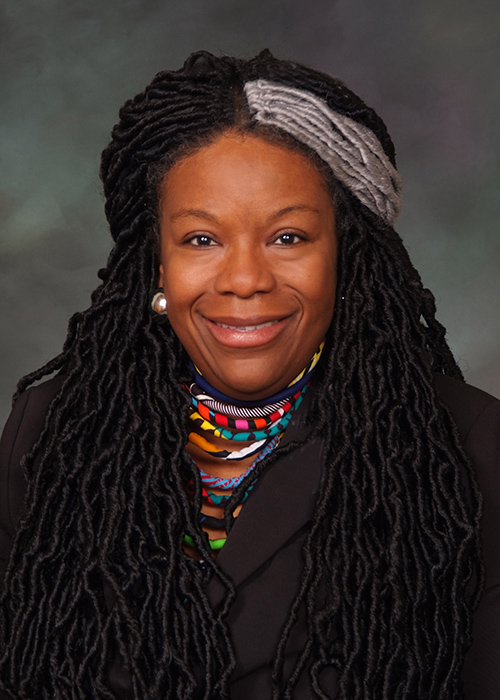
Jennifer Bacon
DDemocratic
P
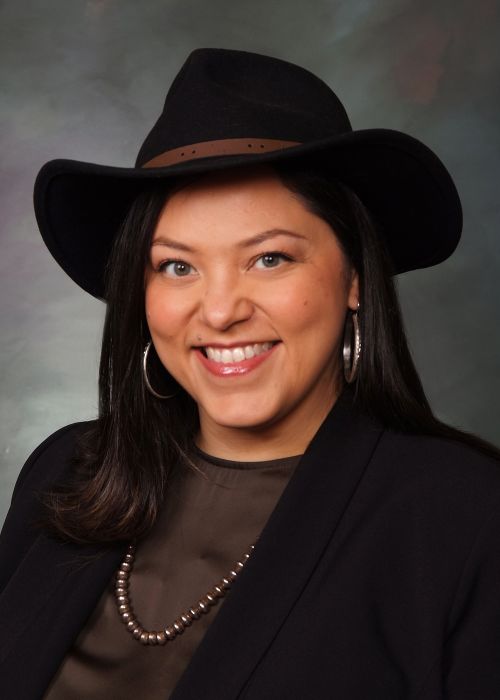
Julie Gonzales
DDemocratic
P

Junie Joseph
DDemocratic
Co
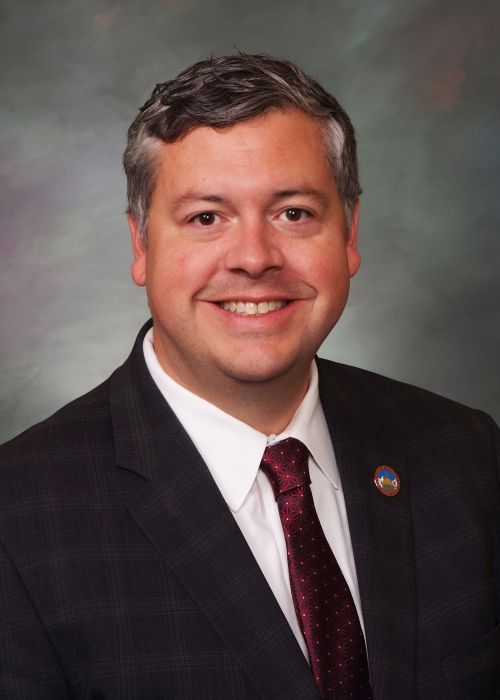
Alex Valdez
DDemocratic
Co

Amy Paschal
DDemocratic
Co

Andy Boesenecker
DDemocratic
Co

Bob Marshall
DDemocratic
Co

Brianna Titone
DDemocratic
Co

Cathy Kipp
DDemocratic
Co
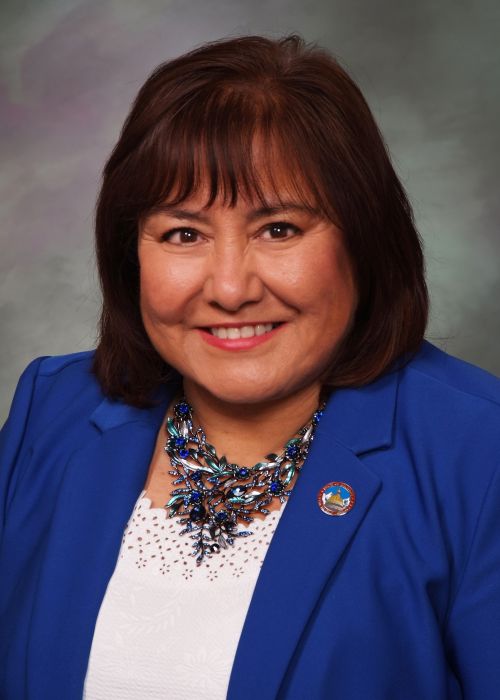
Cecelia Espenoza
DDemocratic
Co
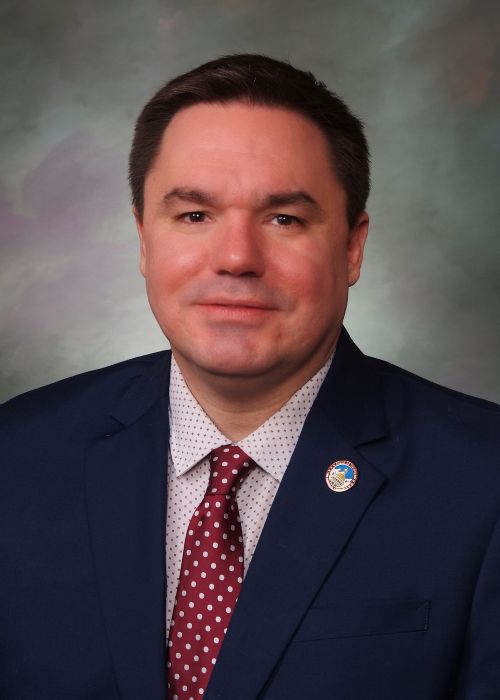
Chad Clifford
DDemocratic
Co
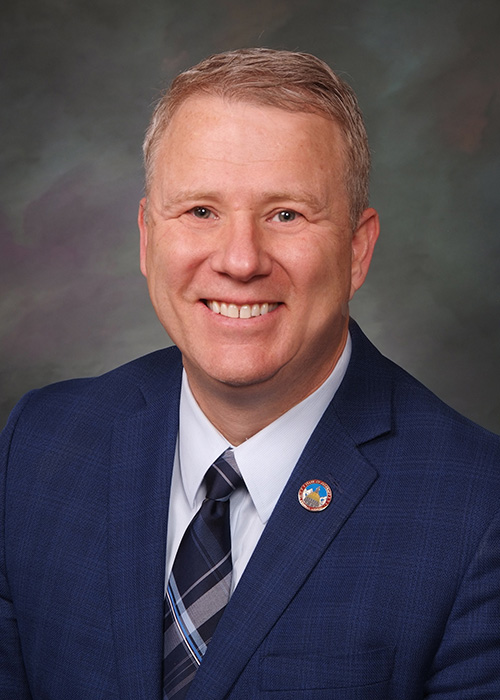
Chris Kolker
DDemocratic
Co

Dafna Michaelson Jenet
DDemocratic























Ask Maddy
·
AI policy assistant
Ask Maddy about SB 25-001
Scope: CO
Hi! I can help you understand SB 25-001. What would you like to know?
Try one of these
i
Maddy answers using official bill text and legislative records. Always verify before sharing.
Sources cited inline