

Veterinary Workforce Requirements
Summary
The act establishes and modifies requirements related to the practice of veterinary medicine by a veterinary professional associate (VPA). In November 2024, voters in Colorado approved Proposition 129, which established the role of VPAs and permits VPAs, starting on January 1, 2026, to practice veterinary medicine under certain circumstances. The act specifies how an individual can register as a VPA in Colorado and clarifies the circumstances under which a VPA can practice veterinary medicine. The act clarifies that a VPA is only permitted to practice veterinary medicine under the supervision of a licensed veterinarian. A licensed veterinarian shall supervise no more than 3 VPAs who are practicing veterinary medicine at any one time. The act requires a licensed veterinarian and a VPA to enter into a mutual supervisory agreement before the licensed veterinarian and the VPA begin working together. The supervising licensed veterinarian may delegate the practice of veterinary medicine to the VPA if: The aspects of the practice are within the training, experience, and competency of the VPA; The practice of veterinary medicine delegated to the VPA is permitted under requirements of state law and board of veterinary medicine (board) rules; and The supervising licensed veterinarian and VPA are located at the same veterinary premises while practicing veterinary medicine, unless the VPA meets certain indirect supervision requirements. The act instructs the board to adopt rules regarding the practice of veterinary medicine by VPAs, including rules that: Require a VPA to practice veterinary medicine under an appropriate level of supervision by a licensed veterinarian; Determine clinical benchmarks that a VPA must meet in order to practice veterinary medicine under indirect supervision by a licensed veterinarian; Approve a nationally recognized VPA credentialing organization that requires a VPA to complete a university-approved VPA program that is approved by the board or a university-approved VPA program that is accredited by the nationally recognized credentialing organization, pass a VPA examination, and complete continuing education requirements; Provide guidance to supervising licensed veterinarians in their delegation of tasks to and supervision of VPAs; Determine a scope of practice for VPAs; Establish a registration fee for the registration of VPAs; and Determine continuing education requirements for VPAs. The board may also adopt rules establishing an equivalent registration pathway for a veterinary technician specialist to register as a VPA, which pathway considers the veterinary technician specialist's experience, education, and training as a substitute for the education requirements needed to register as a VPA and requires the veterinarian technician specialist to pass the same national credentialing exam as a VPA. The act requires a VPA to identify themself as a VPA to a client before practicing veterinary medicine on a patient. The act requires a licensed veterinarian to comply with certain restrictions when prescribing opioids and benzodiazepines. (Note: This summary applies to this bill as enacted.)
Bill status
signed
all 5 stages cleared
Introduction
Feb 2025
Committee Review
Apr 2025
House Passage
Mar 2025
Senate Passage
Apr 2025
Signed into Law
May 2025
Introduced Feb 24, 2025
Signed May 30, 2025
Maddy AI version diff · 7 comparisons
What changed between versions
Rerevised (04/09/2025)
→
Revised (04/08/2025)
·
3 edits
MINOR
The bill text was updated from a 'Rerevised' version to a 'Revised' version, indicating that amendments adopted during the second reading in the Senate have been incorporated. The Senate sponsorship list was modified to remove several co-sponsors (Pelton B., Amabile, Bridges, Catlin, Pelton R., Roberts, Simpson, Snyder) while keeping Kipp and Pelton B. as the lead sponsors. The reading status was changed from '3rd Reading Unamended' to 'Revised', reflecting the bill's progression through the legislative process.
TECHNICAL
Header text was updated from 'REREVISED' to 'REVISED' and the amendment adoption note was slightly expanded to clarify the legislative stage.
Several Senate co-sponsors were removed from the sponsorship list, likely due to changes in committee assignments or withdrawal of support during the legislative process.
The reading status line was changed from '3rd Reading Unamended' to 'Revised', indicating the bill has been amended and is in a different stage of the legislative process.
Floor votes · Senate Apr 9, 2025 · House Mar 26, 2025
How they voted
31–2
Passed · 1 other
Total votes 34
Apr 9, 2025
D
Democratic22
100% Yea
R
Republican12
75% Yea
Vote distribution
All Yea
All Nay
Mixed
No data
Full legislative history
Actions timeline
Total actions
15
Key actions
5
Committee
2
Amendments
2
May 30, 2025
Signed into law
Governor Signed
executive
Apr 11, 2025
Introduced
House Considered Senate Amendments - Result was to Concur - Repass
lower
Apr 10, 2025
Introduced
House Considered Senate Amendments - Result was to Laid Over Daily
lower
Apr 9, 2025
Upper · Passed
Senate Third Reading Passed - No Amendments
upper
Apr 3, 2025
Upper · Passed
Senate Committee on Agriculture & Natural Resources Refer Unamended to Senate Committee of the Whole
upper
Mar 31, 2025
Introduced
Introduced In Senate - Assigned to Agriculture & Natural Resources
upper
Mar 26, 2025
Lower · Passed
House Third Reading Passed - No Amendments
lower
Mar 10, 2025
Lower · Passed
House Committee on Agriculture, Water & Natural Resources Refer Amended to House Committee of the Whole
lower
Feb 24, 2025
Introduced
Introduced In House - Assigned to Agriculture, Water & Natural Resources
lower
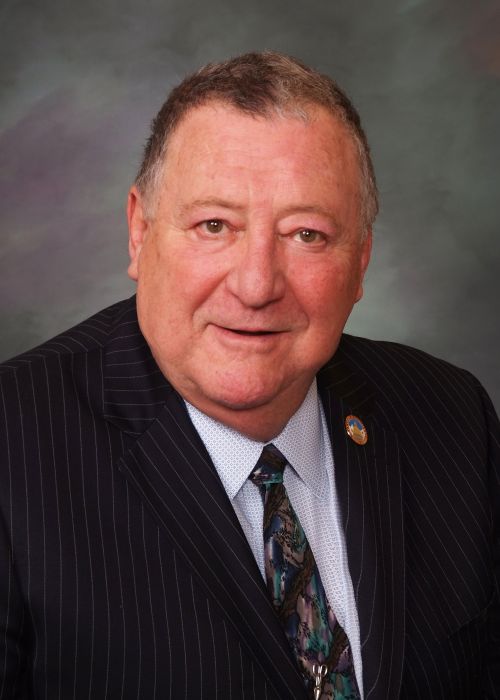
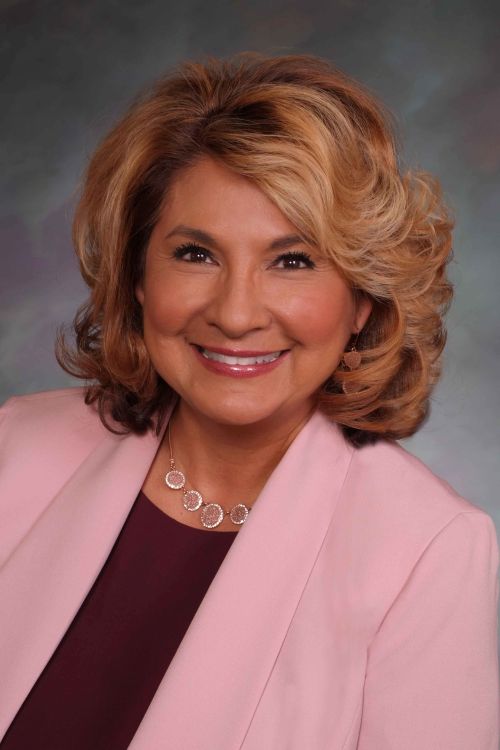
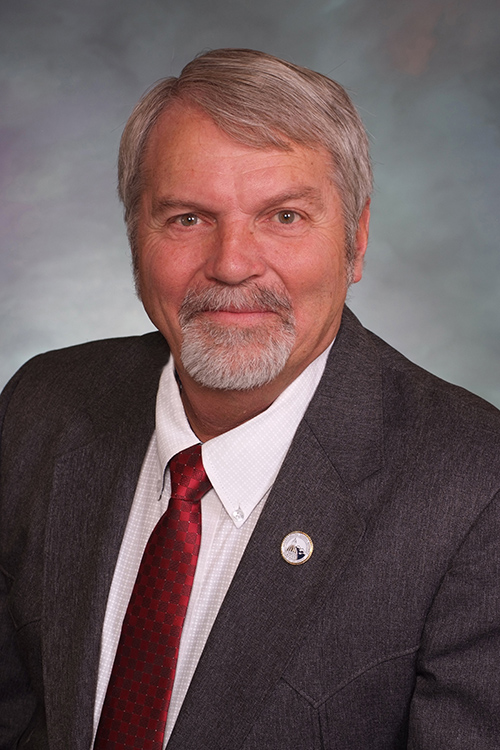
4 primary · 22 co-sponsors
Sponsors
Role
Legislator
Party
State
District
P

Byron Pelton
RRepublican
P

Cathy Kipp
DDemocratic
P

Dusty Johnson
RRepublican
P
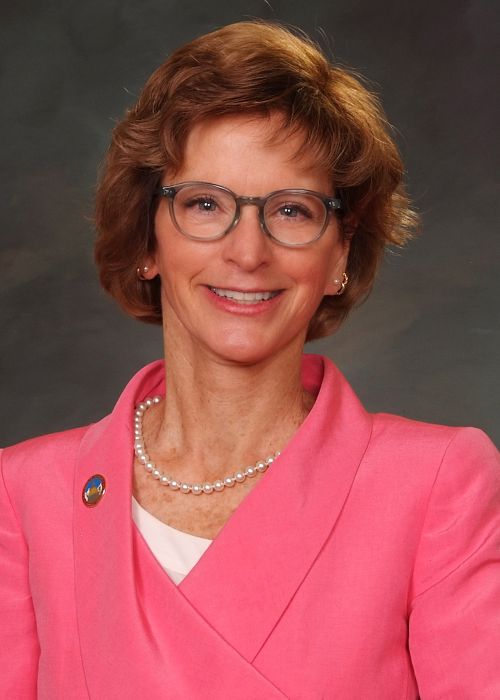
Karen McCormick
DDemocratic
Co
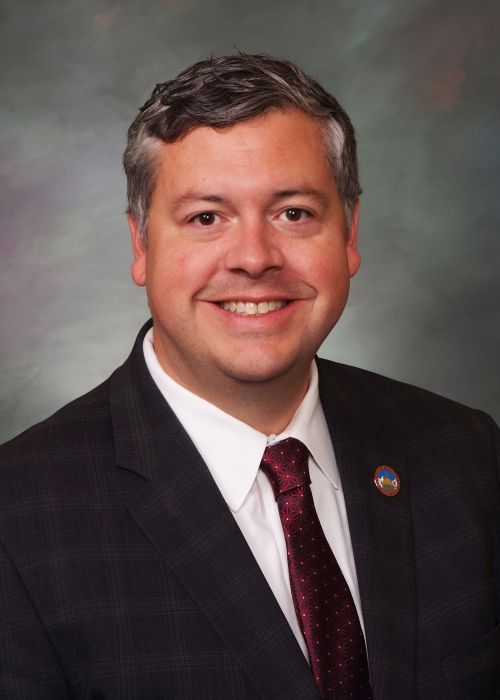
Alex Valdez
DDemocratic
Co

Brianna Titone
DDemocratic
Co
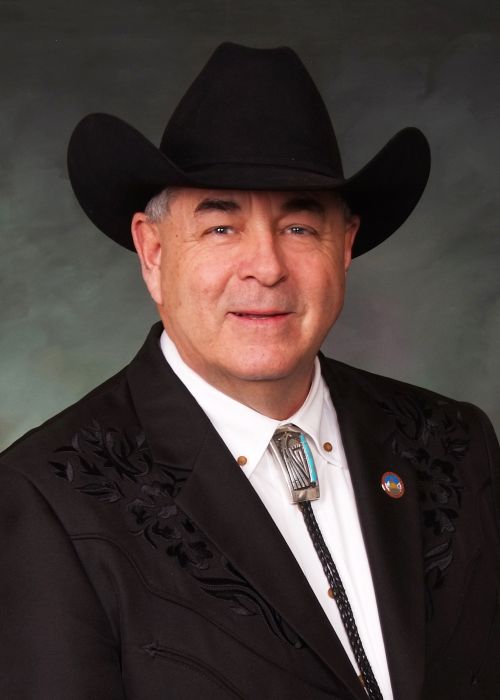
Cleave Simpson
RRepublican
Co
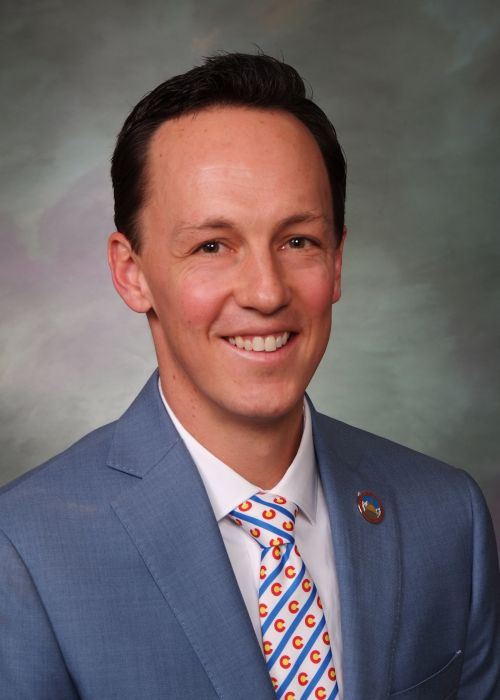
Dylan Roberts
DDemocratic
Co

Eliza Hamrick
DDemocratic
Co

Emily Sirota
DDemocratic
Co

Jacque Phillips
DDemocratic
Co

Javier Mabrey
DDemocratic
Co

Jeff Bridges
DDemocratic
Co

Jennifer Bacon
DDemocratic







Ask Maddy
·
AI policy assistant
Ask Maddy about HB 25-1285
Scope: CO
Hi! I can help you understand HB 25-1285. What would you like to know?
Try one of these
i
Maddy answers using official bill text and legislative records. Always verify before sharing.
Sources cited inline