

Payment Card Network Practices & Fees
Summary
The bill enacts the "Swipe Fee Fairness and Consumer Safeguards Act" (act), which prohibits a payment card network from: Fixing or conspiring to fix an interchange fee with, or on behalf of, a covered credit card issuer or another payment card network; Establishing, putting forward, or implementing a fee schedule that the payment card network knows, or reasonably should know, has been used by a covered credit card issuer other than the payment card network to determine the amount of an interchange fee charged or received by the covered credit card issuer in the current or previous calendar year; Establishing, charging, or putting forward on a fee schedule an interchange fee if the fee includes a percentage multiplied by the amount of a transaction and the fee does not exclude any amount attributable to a tax or gratuity on the transaction, or increasing fees in an attempt to or in a manner that would circumvent such interchange fee prohibition; Requiring a merchant that accepts credit cards that are enabled for processing over the payment card network to accept all credit cards issued by a covered credit card issuer that are enabled for processing over the payment card network; Distributing, publishing, or otherwise using data from an electronic payment transaction, except in certain circumstances; Charging a fee to a consumer or merchant related to a disputed credit card transaction until the dispute has been resolved and the consumer or merchant has been provided written notice of the determination; or Imposing a penalty on a merchant for setting prices in a manner that complies with state and federal law. The bill prohibits a payment card network from establishing, putting forward, or implementing a fee schedule that the payment card network knows or reasonably should know has been used by one or more issuers other than the payment card network to determine the amount of an interchange fee received or charged in respect to a charitable contribution, unless the interchange fee does not exceed: 0.2% of the amount of a charitable contribution made by means of a debit card; or 0.3% of the amount of a charitable contribution made by means of a credit card. If a payment card network violates the act, a merchant, consumer, or other individual or entity that is injured as a result may bring a civil action. A payment card network that is found to have violated the act as a result of a civil action other than a certified class action is liable in an amount equal to the sum of: The greater of: The amount of actual damages sustained plus interest; or $500; or 3 times the amount of actual damages sustained if the payment card network engaged in bad faith conduct; plus The costs of the action plus reasonable attorney fees. If a payment card network is found liable in a certified class action, a successful plaintiff may recover actual damages, injunctive relief allowed by law, and reasonable attorney fees and costs. (Note: This summary applies to the reengrossed version of this bill as introduced in the second house.)
Bill status
failed
3 of 5 stages cleared
Introduction
Feb 2025
Committee Review
Apr 2025
House Passage
Mar 2025
Senate Passage
Governor
Introduced Feb 20, 2025
Last action Apr 28, 2025
Maddy AI version diff · 2 comparisons
What changed between versions
Engrossed (03/18/2025)
→
Reengrossed (03/19/2025)
·
3 edits
·
Mar 19, 2025
MINOR
The bill was reengrossed to add new co-sponsors to the House, update the legislative status header, and include a note indicating that a summary for the reengrossed version will be available after third reading. The substantive policy content regarding restaurant industry statistics and swipe fee regulations remains unchanged in this version.
TECHNICAL
Added five new co-sponsors (Bird, Brown, Garcia, Hamrick, Lindsay, McCormick, Paschal, Ricks, Rydin, Story) to the House sponsorship list.
Changed the document title from 'ENGROSSED' to 'REENGROSSED' and updated the amendment adoption description.
Added a notice stating that a bill summary for the reengrossed version will be available after third reading in the House of Introduction.
Floor votes · House Mar 19, 2025
How they voted
42–21
Passed · 1 other
Total votes 64
Mar 19, 2025
D
Democratic42
80% Yea
R
Republican22
59% Nay
Vote distribution
All Yea
All Nay
Mixed
No data
Full legislative history
Actions timeline
Total actions
7
Key actions
3
Committee
2
Apr 28, 2025
Upper · Passed
Senate Committee on Judiciary Postpone Indefinitely
upper
Mar 25, 2025
Introduced
Introduced In Senate - Assigned to Judiciary
upper
Mar 19, 2025
Lower · Passed
House Third Reading Passed - No Amendments
lower
Mar 13, 2025
Lower · Passed
House Committee on Finance Refer Unamended to House Committee of the Whole
lower
Feb 20, 2025
Introduced
Introduced In House - Assigned to Finance
lower
4 primary · 10 co-sponsors
Sponsors
Role
Legislator
Party
State
District
P

Barbara Kirkmeyer
RRepublican
P

Lindsey Daugherty
DDemocratic
P
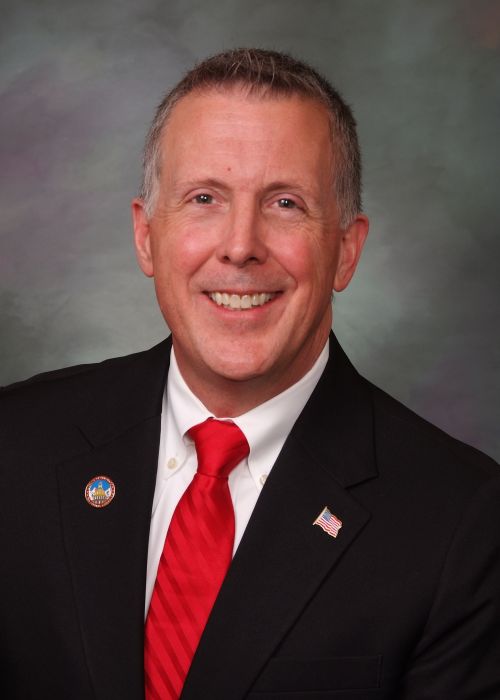
Max Brooks
RRepublican
P

William Lindstedt
DDemocratic
Co

Amy Paschal
DDemocratic
Co

Eliza Hamrick
DDemocratic
Co

Gretchen Rydin
DDemocratic
Co

Karen McCormick
DDemocratic
Co

Kyle Brown
DDemocratic
Co
LG
Lorena García
DDemocratic
Co

Mandy Lindsay
DDemocratic
Co
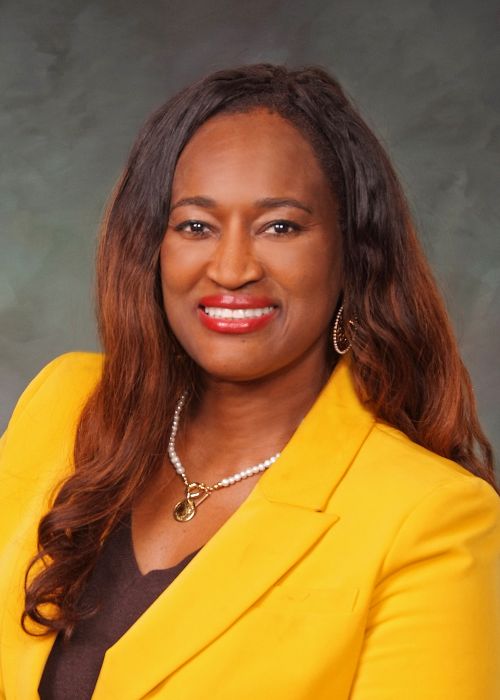
Naquetta Ricks
DDemocratic
Co
SB
Shannon Bird
DDemocratic
Co

Tammy Story
DDemocratic
Ask Maddy
·
AI policy assistant
Ask Maddy about HB 25-1282
Scope: CO
Hi! I can help you understand HB 25-1282. What would you like to know?
Try one of these
i
Maddy answers using official bill text and legislative records. Always verify before sharing.
Sources cited inline