

Work-Based Learning Experiences in Higher Education
Summary
The act creates the work-based learning consortium pilot program (pilot program) in the department of higher education (department). The purpose of the 3-year pilot program is to: Demonstrate the value of work-based learning in postsecondary curricula by studying the impact of industry-sponsored projects on course objectives and learning outcomes; Promote the adoption of work-based learning in higher education by working with faculty at institutions of higher education (institutions) that participate in the pilot program (participating institutions) to embed project-based learning opportunities into credit-bearing programs; Provide broader access to collegiate work-based learning for students; Measure the impact of work-based learning on participating students; and Learn how institutions can increase the value of postsecondary education through career exposure and preparedness. Pending the receipt of sufficient funds, the department shall convene a consortium (consortium) of representatives from participating institutions, the commission on higher education (commission), the department of labor and employment, the department of education, and a subject matter expert with experience implementing work-based learning. The consortium shall: Work with each participating institution's faculty to embed industry-sponsored projects in course curriculum that meet the work-based learning quality standards; Work with the department to determine the impact of industry-sponsored projects; Work with a third-party platform to connect faculty from participating institutions to employers for the purpose of developing high-quality, project-based learning opportunities for classroom instruction; Advise the commission on strategies to improve student access to high-quality, work-based learning opportunities for students based on participating faculty members' experience embedding industry-sponsored projects into curriculum; Develop best practices for institutions to expand access to work-based learning in the classroom through industry-sponsored projects; and Develop findings and recommendations. Subject to available appropriations, at the end of the pilot program, the act requires the consortium to complete and submit a report to the education committees of the house of representatives and the senate, or their successor committees. The report must include: A description of the consortium's findings and recommendations; Details on the consortium's impacts on participating institutions and the effects of creating additional work-based learning activities on students, faculty, and employers; and Recommendations for statutory changes, financial resources, department policy changes, and policy changes in institutions that are necessary to improve successful work-based learning opportunities for students in institutions. The department may seek, accept, and expend gifts, grants, or donations from private or public sources for the pilot program. The department shall transmit all gifts, grants, or donations to the state treasurer, who shall credit the money to the higher education work-based learning consortium fund (fund). If, by June 30, 2028, the money in the fund has never reached or exceeded $2 million dollars, the state treasurer shall return each grantor's or donor's gift, grant, or donation. On or before November 1, 2026, the commission shall recommend a list of terms used by institutions related to work-based learning to the Colorado workforce development council for inclusion in the talent development glossary (glossary). The purpose of the list of terms is to: Augment the glossary so that collegiate work-based learning activities are accurately reflected in statewide efforts to promote work-based learning; and Demonstrate to institutions relevant opportunities to participate in statewide efforts to promote work-based learning. On or before July 1, 2026, the commission shall work with institutions, the Colorado workforce development council, the department of education, the consortium, nonprofit organizations, industry associations, and businesses to develop recommendations on how to best embed work-based learning opportunities into current degree pathways. On or before December 31, 2026, the department shall work with institutions to identify which work-based learning activities are measurable and how to best report work-based learning activities. Institutions that are eligible for the work-study program may use work-study program money to cover the costs of work-based learning credits for students who are required to complete credit-bearing work-based learning requirements to graduate from an institution. The office of economic development (office) administers the universal high school scholarship program (program). The act allows the office to spend unexpended or unencumbered money appropriated in the 2023-24 state fiscal year through the 2025-26 state fiscal year without further appropriation. The act requires that expenditures for the administrative costs of the program not exceed $1.5 million. The act extends the date for the state treasurer to transfer all unexpended and unencumbered money in the universal high school scholarship cash fund from December 30, 2026, to June 30, 2027. (Note: This summary applies to this bill as enacted.)
Bill status
signed
all 5 stages cleared
Introduction
Feb 2025
Committee Review
May 2025
House Passage
Apr 2025
Senate Passage
May 2025
Signed into Law
May 2025
Introduced Feb 10, 2025
Signed May 30, 2025
Maddy AI version diff · 7 comparisons
What changed between versions
Rerevised (05/05/2025)
→
Revised (05/02/2025)
·
3 edits
MINOR
The bill was revised to update its title page information, including changing the revision status from 'Rerevised' to 'Revised' and updating the Senate sponsorship list. The substantive content of the bill remains unchanged, with the new text appearing to be part of the original bill's structure rather than new amendments.
TECHNICAL
Removed 'Rerevised' status and updated revision date information on the title page
Added blank lines and spacing adjustments in the Senate sponsorship section
Added page numbering and line references that appear to be part of the bill's formatting structure
Floor votes · Senate May 5, 2025 · House Apr 30, 2025
How they voted
33–2
Passed
Total votes 35
May 5, 2025
D
Democratic23
100% Yea
R
Republican12
83% Yea
Vote distribution
All Yea
All Nay
Mixed
No data
Full legislative history
Actions timeline
Total actions
14
Key actions
5
Committee
4
May 30, 2025
Signed into law
Governor Signed
executive
May 5, 2025
Upper · Passed
Senate Third Reading Passed - No Amendments
upper
May 2, 2025
Upper · Passed
Senate Committee on Appropriations Refer Unamended - Consent Calendar to Senate Committee of the Whole
upper
Apr 30, 2025
Committee
Senate Committee on Education Refer Unamended to Appropriations
upper
Apr 30, 2025
Introduced
Introduced In Senate - Assigned to Education
upper
Apr 30, 2025
Lower · Passed
House Third Reading Passed - No Amendments
lower
Apr 29, 2025
Lower · Passed
House Committee on Appropriations Refer Amended to House Committee of the Whole
lower
Mar 5, 2025
Committee
House Committee on Education Refer Amended to Appropriations
lower
Feb 10, 2025
Introduced
Introduced In House - Assigned to Education
lower
4 primary · 36 co-sponsors
Sponsors
Role
Legislator
Party
State
District
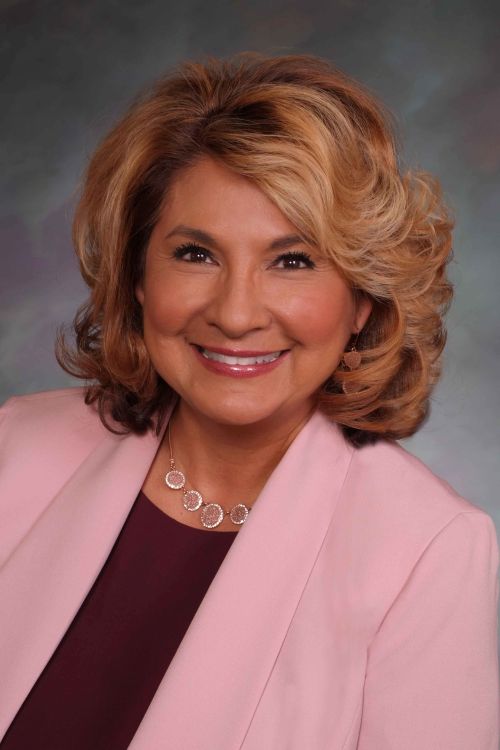
P
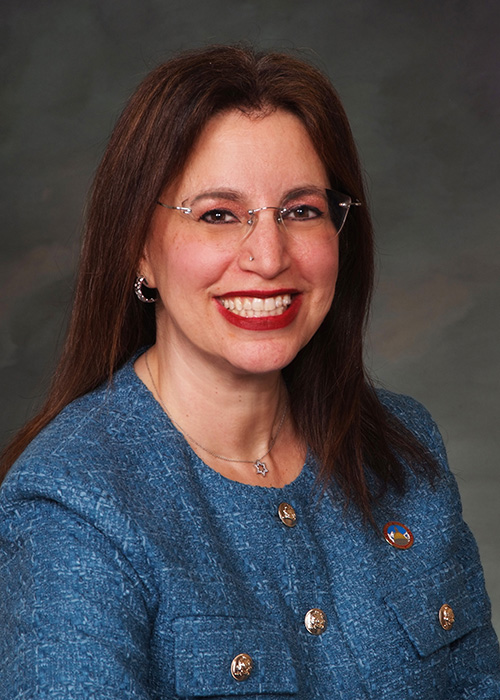
Dafna Michaelson Jenet
DDemocratic
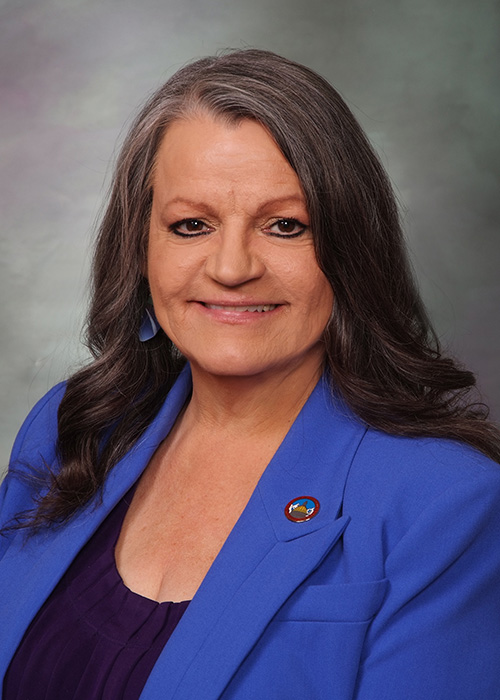
P
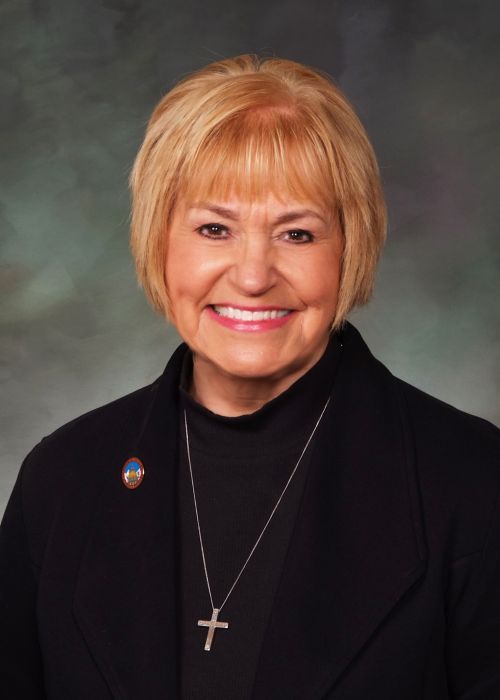
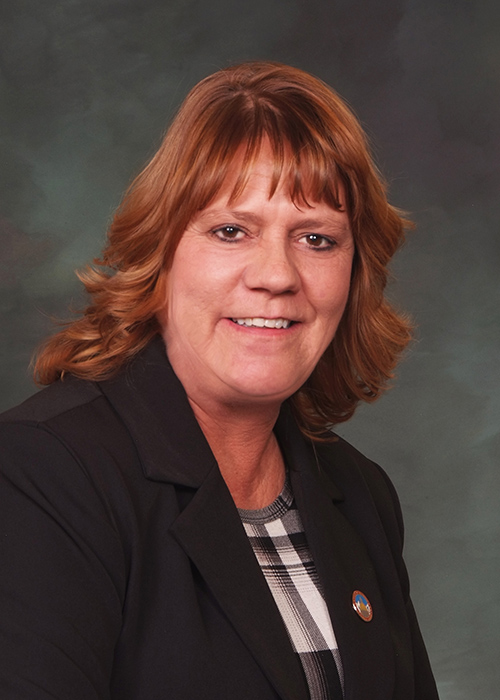
Janice Rich
RRepublican
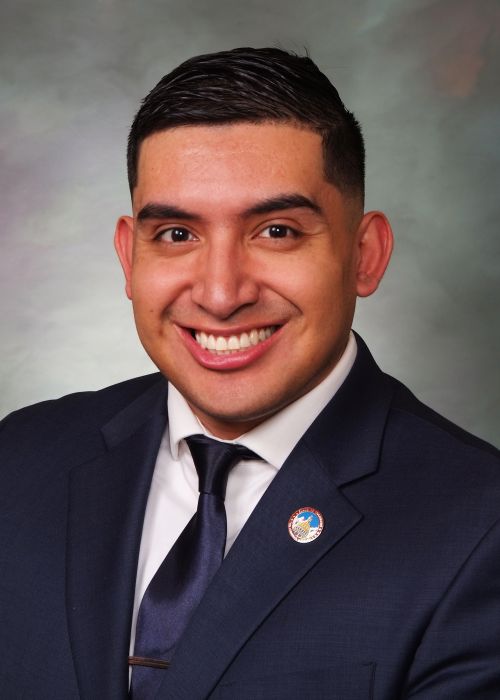
P
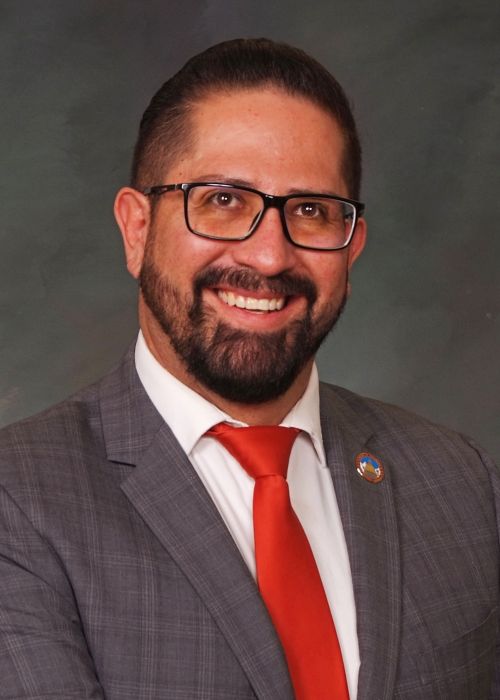
Matt Martinez
DDemocratic
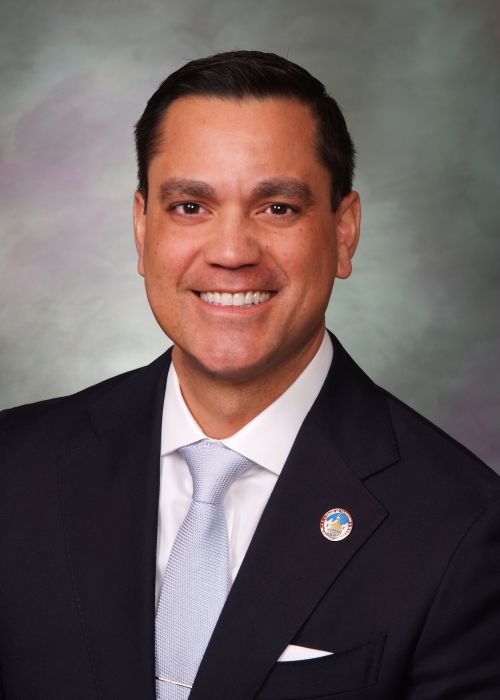
P
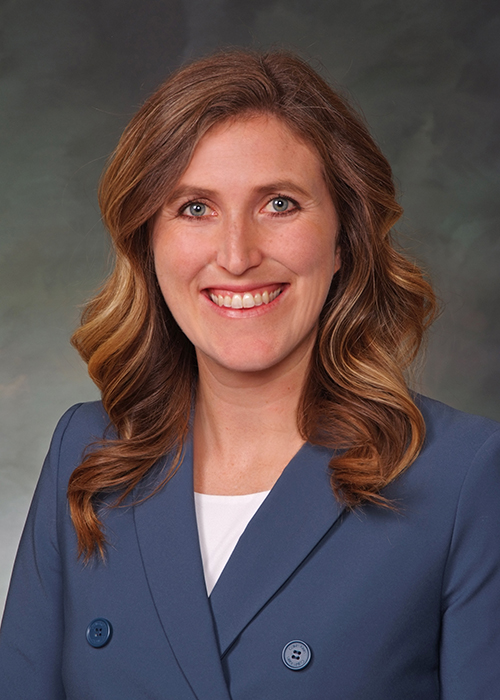
Meghan Lukens
DDemocratic
Co

Andy Boesenecker
DDemocratic
Co

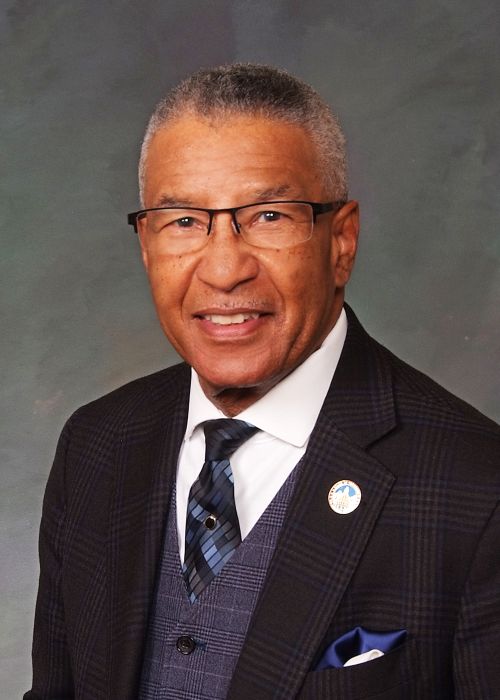
Bob Marshall
DDemocratic
Co
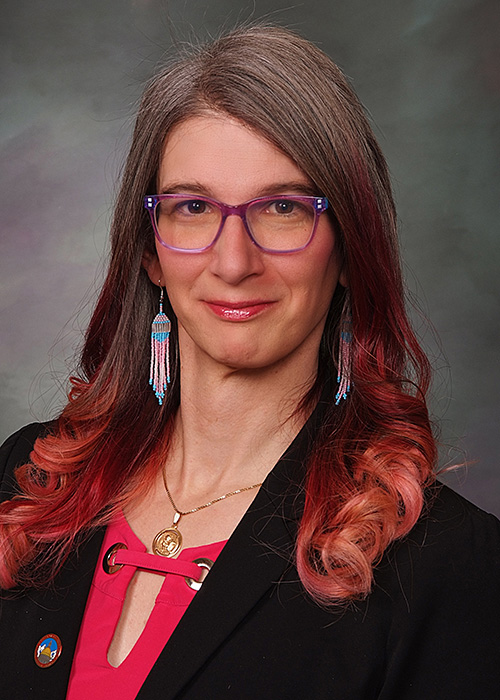
Brianna Titone
DDemocratic
Co

Cathy Kipp
DDemocratic
Co
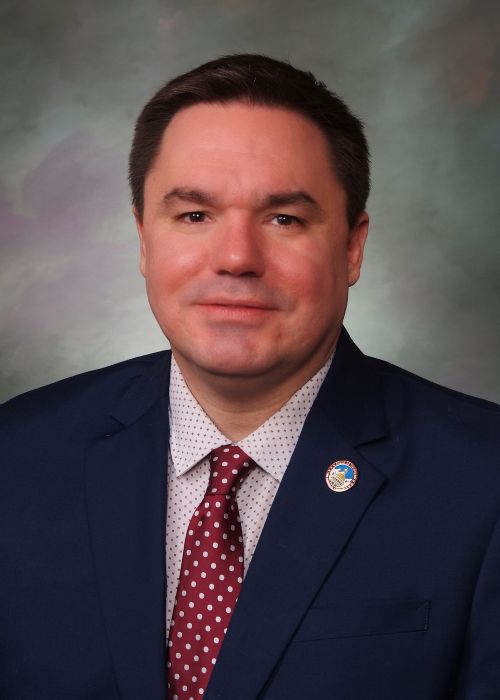
Chad Clifford
DDemocratic
Co
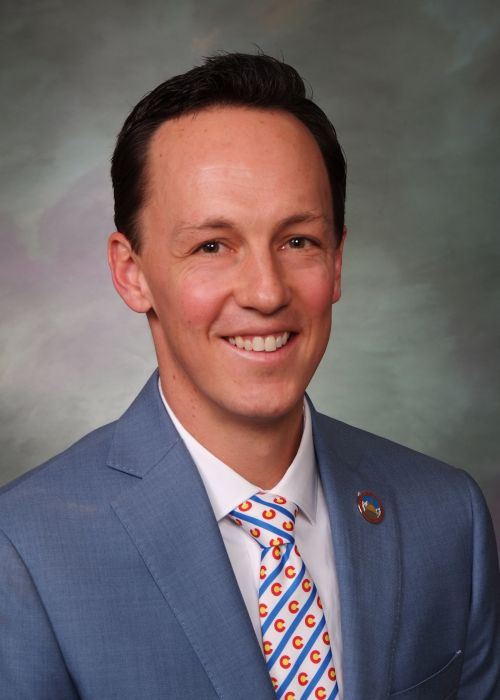
Dylan Roberts
DDemocratic
Co
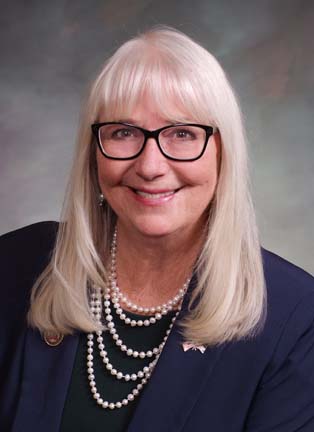
Eliza Hamrick
DDemocratic
Co

Gretchen Rydin
DDemocratic
Co
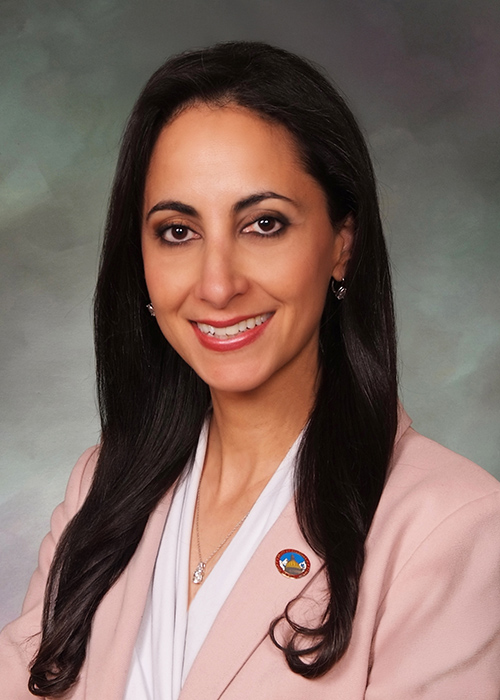
Iman Jodeh
DDemocratic
Co

Jacque Phillips
DDemocratic












Ask Maddy
·
AI policy assistant
Ask Maddy about HB 25-1186
Scope: CO
Hi! I can help you understand HB 25-1186. What would you like to know?
Try one of these
i
Maddy answers using official bill text and legislative records. Always verify before sharing.
Sources cited inline