

Placement Transition Plans for Children
Summary
Beginning July 1, 2026, absent an emergency placement change, the act requires a county or district department of human or social services (county department) child welfare caseworker (caseworker) to create an individualized placement transition plan (plan) for a child any time the child is moved from one placement in a foster care home, kinship foster care home, or non-certified kinship care home (placement) to another or back to the child's home. The plan must prioritize the mental, emotional, and physical needs of the child while considering the needs of the parents, current providers, and future providers as the needs of the parents, current providers, and future providers relate to the care of the child. If a sibling group is moved from a placement together, the caseworker may develop a single plan for the sibling group, as long as the plan takes into account the individualized needs of each child. The plan, at a minimum, must include: A determination of pre-transition logistics to adequately prepare for the child's new placement; A plan for pre- and post-transition communications between individuals who have relevant information for the transition; A timeline to transition the child to a new placement; A plan to physically move the child to the new placement; and A framework for a caseworker's post-transition communications. The department of human services (state department), within existing resources, shall create a training on the importance of plans that is recorded and made available on a training system that can be accessed statewide. The training must focus on plans and individuals who have lived experience with placement transitions, including an emphasis on individuals who experienced placement transitions. Newly employed caseworkers must complete the training within the first year of employment as a caseworker. All caseworkers may complete this training every 3 years. A foster care, kinship foster care, or non-certified kinship care provider (provider) may complete the training and may receive support from the state department or the county department to improve the provider's skills in transitioning a child in the provider's care from one placement to another. The state department may adopt rules for purposes of the plans. (Note: This summary applies to this bill as enacted.)
Bill status
signed
all 5 stages cleared
Introduction
Jan 2025
Committee Review
Apr 2025
House Passage
Apr 2025
Senate Passage
Apr 2025
Signed into Law
May 2025
Introduced Jan 27, 2025
Signed May 28, 2025
Maddy AI version diff · 9 comparisons
What changed between versions
Revised (04/29/2025)
→
PA3 (04/25/2025)
·
3 edits
MINOR
The bill was amended to change the deadline for creating Individualized Placement Transition Plans from July 1, 2026 to on or before July 1, 2026, adding flexibility for counties. Additionally, a new requirement was added mandating that these plans be documented in the State Automated Case Management System, and the plan development process now explicitly requires meetings with all parties including current and prospective providers.
Scope change
The bill's scope remains focused on supporting children in out-of-home placements through family-based settings, but the requirements for plan creation and documentation have been expanded.
TIMELINE
The deadline for creating Individualized Placement Transition Plans was changed from 'beginning July 1, 2026' to 'on or before July 1, 2026', giving counties more flexibility in timing.
REQUIREMENT
Added a new requirement that Individualized Placement Transition Plans must be documented in the State Automated Case Management System.
Added explicit requirement that plan development meetings must include all parties to the case, current and prospective providers, and the child if appropriate to their age or developmental level.
Floor votes · Senate Apr 30, 2025 · House Apr 14, 2025
How they voted
30–4
Passed
Total votes 34
Apr 30, 2025
D
Democratic22
100% Yea
R
Republican12
66% Yea
Vote distribution
All Yea
All Nay
Mixed
No data
Full legislative history
Actions timeline
Total actions
15
Key actions
5
Committee
3
Amendments
1
May 28, 2025
Signed into law
Governor Signed
executive
May 1, 2025
Introduced
House Considered Senate Amendments - Result was to Concur - Repass
lower
Apr 30, 2025
Upper · Passed
Senate Third Reading Passed - No Amendments
upper
Apr 24, 2025
Upper · Passed
Senate Committee on Health & Human Services Refer Amended to Senate Committee of the Whole
upper
Apr 17, 2025
Introduced
Introduced In Senate - Assigned to Health & Human Services
upper
Apr 14, 2025
Lower · Passed
House Third Reading Passed - No Amendments
lower
Apr 4, 2025
Lower · Passed
House Committee on Appropriations Refer Amended to House Committee of the Whole
lower
Feb 19, 2025
Committee
House Committee on Health & Human Services Refer Amended to Appropriations
lower
Jan 27, 2025
Introduced
Introduced In House - Assigned to Health & Human Services
lower
4 primary · 31 co-sponsors
Sponsors
Role
Legislator
Party
State
District
P

Dafna Michaelson Jenet
DDemocratic
P
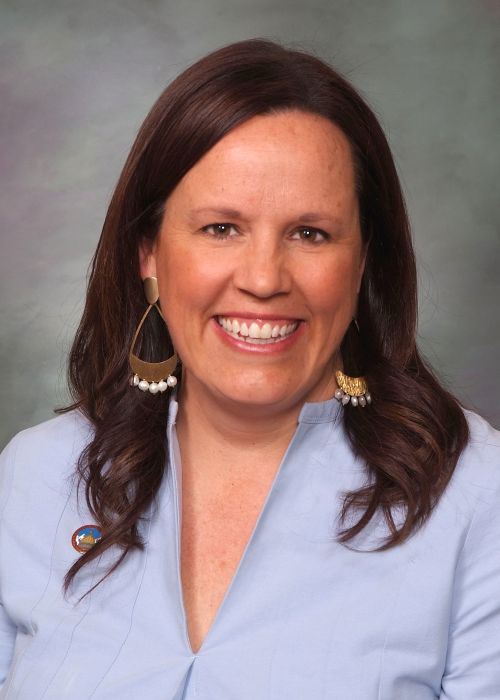
Lindsay Gilchrist
DDemocratic
P

Lindsey Daugherty
DDemocratic
P
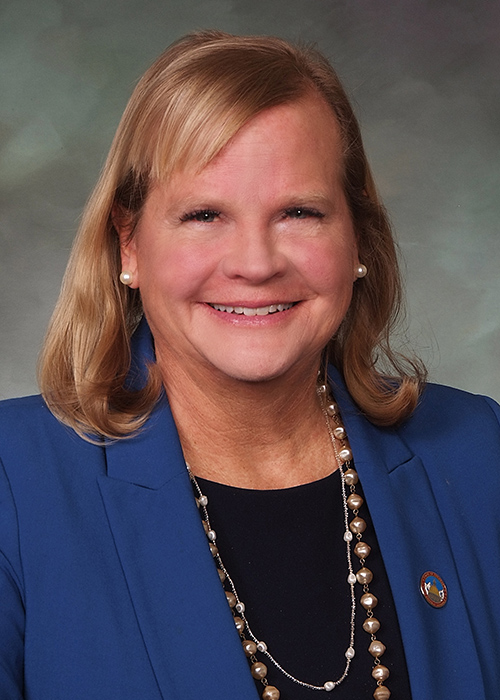
Meg Froelich
DDemocratic
Co

Andy Boesenecker
DDemocratic
Co

Brandi Bradley
RRepublican
Co

Cathy Kipp
DDemocratic
Co

Eliza Hamrick
DDemocratic
Co

Emily Sirota
DDemocratic
Co
FW
Faith Winter
DDemocratic
Co

Iman Jodeh
DDemocratic
Co

James Coleman
DDemocratic
Co

Jamie Jackson
DDemocratic
Co

Jennifer Bacon
DDemocratic
















Ask Maddy
·
AI policy assistant
Ask Maddy about HB 25-1097
Scope: CO
Hi! I can help you understand HB 25-1097. What would you like to know?
Try one of these
i
Maddy answers using official bill text and legislative records. Always verify before sharing.
Sources cited inline