

Behavioral Health-care Workforce
Summary
The act requires the behavioral health administration (BHA) in the department of human services (department) to create and implement a behavioral health-care provider workforce plan on or before September 1, 2022. The plan must: Include recruitment methods to increase and diversify the behavioral health-care provider workforce; Require the BHA to partner with the department of higher education to better prepare the future behavioral health-care provider workforce for public sector service, to develop paid job shadowing and internship opportunities, and to develop partnerships with learning facilities and training centers; Include strategies for the BHA to work with community colleges and other institutions of higher education to recruit residents of health professional shortage areas, with the goal of educating these individuals in behavioral health-care fields so that they will return to practice in areas of need; In collaboration with institutions of higher education, the community college system, the department of higher education, and the work force development council, create a new program to help behavioral health-care providers advance in their respective fields; Require the BHA to expand the peer support professional workforce; Include proposals to work with law enforcement organizations to cross-train first responders in behavioral health, increase cultural competencies, and reduce the stigma of receiving mental health services; and Through an interagency agreement with other state agencies, raise awareness among health-care providers concerning opportunities to invest in and strengthen their behavioral health-care staff. The act requires the division of professions and occupations in the department of regulatory agencies (DORA) to make recommendations to expand the portability of existing credentialing requirements and behavioral health-care practice through telehealth. The act requires the BHA to: In collaboration with DORA, establish workforce standards that strengthen the behavioral health-care provider workforce and increase opportunities for unlicensed behavioral health-care providers; Work with other state agencies to reduce the administrative burden across agencies to ensure behavioral health-care providers have additional time to focus on patient care; Collaborate with other state agencies on behavioral health-care issues; Use the learning management system to develop and implement a comprehensive, collaborative, and cross-system training certification and training curriculum of evidence-based treatment and evidence-based criminal justice approaches for behavioral health-care providers working in programs to obtain a criminal justice treatment provider endorsement; and Develop methods to strengthen Colorado's current behavioral health-care provider workforce. In 2023 and 2024, the department is required to provide an overview of the BHA's progress toward addressing the behavioral health-care provider workforce shortage during the hearings held prior to the regular session of the general assembly under the "SMART Act". On or before January 1, 2023, and January 1, 2024, the community college system is required to submit a report to the BHA that includes a summary of the behavioral health career pathway and it implementation. Pursuant to the relief authorized by the federal American Rescue Plan Act of 2021, for the 2022-23 state fiscal year, the act, appropriates the following amounts from the behavioral and mental health cash fund for the purposes of the act: $36,806,984 to the department for use by the BHA; $20,000,000 to the department of public health and environment for use by the primary care office to provide loan repayment and scholarships for behavioral health-care providers and candidates for licensure who are participating in the Colorado health service corps; and $15,193,018 to the department of higher education.(Note: This summary applies to this bill as enacted.)
Bill status
signed
all 5 stages cleared
Introduction
Mar 2022
Committee Review
May 2022
Senate Passage
Apr 2022
House Passage
May 2022
Signed into Law
Jun 2022
Introduced Mar 28, 2022
Signed Jun 8, 2022
Floor votes · Senate Apr 25, 2022 · House May 10, 2022
How they voted
30–1
Passed · 3 other
Total votes 34
Apr 25, 2022
D
Democratic20
90% Yea
R
Republican14
85% Yea
Vote distribution
All Yea
All Nay
Mixed
No data
Full legislative history
Actions timeline
Total actions
16
Key actions
5
Committee
4
Amendments
1
Jun 8, 2022
Signed into law
Governor Signed
executive
May 10, 2022
Introduced
Senate Considered House Amendments - Result was to Concur - Repass
upper
May 10, 2022
Lower · Passed
House Third Reading Passed - No Amendments
lower
May 4, 2022
Lower · Passed
House Committee on Appropriations Refer Unamended to House Committee of the Whole
lower
May 3, 2022
Committee
House Committee on Public & Behavioral Health & Human Services Refer Amended to Appropriations
lower
Apr 25, 2022
Introduced
Introduced In House - Assigned to Public & Behavioral Health & Human Services
lower
Apr 25, 2022
Upper · Passed
Senate Third Reading Passed - No Amendments
upper
Apr 22, 2022
Upper · Passed
Senate Committee on Appropriations Refer Amended - Consent Calendar to Senate Committee of the Whole
upper
Apr 13, 2022
Committee
Senate Committee on Health & Human Services Refer Amended to Appropriations
upper
Mar 28, 2022
Introduced
Introduced In Senate - Assigned to Health & Human Services
upper
4 primary · 0 co-sponsors
Sponsors
Role
Legislator
Party
State
District
P
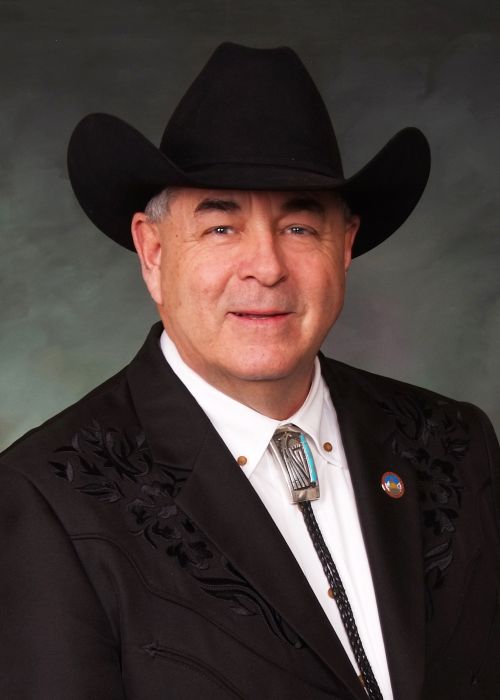
Cleave Simpson
RRepublican
P

Jeff Bridges
DDemocratic
P

Lisa Cutter
DDemocratic
P
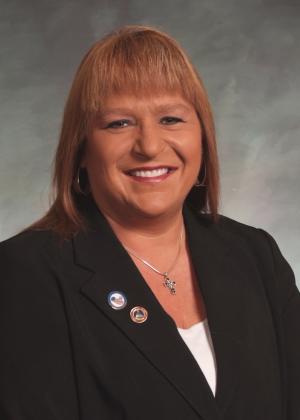
Tonya Van Beber
RRepublican
Ask Maddy
·
AI policy assistant
Ask Maddy about SB 22-181
Scope: CO
Hi! I can help you understand SB 22-181. What would you like to know?
Try one of these
i
Maddy answers using official bill text and legislative records. Always verify before sharing.
Sources cited inline