

Sealing Criminal Records
Summary
The act requires a consumer reporting agency to exclude sealed and expunged records from a consumer report, unless the user of the report demonstrates that the user is otherwise required to consider the information pursuant to law. Currently, there is a process that allows for automatic sealing of criminal justice records for certain drug offenses. The act extends automatic sealing to all offenses, including civil infractions, that allow a defendant to petition the court for sealing criminal justice records that are not subject to the victims rights act. The act streamlines the automatic record sealing process. The act allows a district attorney to object to the automatic sealing of a felony offense that is not a drug felony and, if the defendant requests a hearing in that case, the court shall schedule a hearing to determine whether to seal the records. The act requires the state court administrator to produce an annual report regarding automatic record sealing. During the 2023 and 2024 legislative sessions, the judicial department shall report on the progress of its implementation of the automatic sealing created by the act, including as part of the department's SMART act hearing. The act requires district attorneys, in the completion of diversion prior to charges being filed, to seal diversion records without a court order. The act provides that a defendant's and a district attorney's access to sealed records do not require a court order. The act provides the conditions that must be met for a researcher to access sealed records without a court order. The act allows a record to be sealed if a defendant owes fines, court fees, late fees, or other court-ordered fees. The act requires the Colorado bureau of investigation to produce an annual report regarding record sealing. The act makes clarifying and organizational changes to the record sealing statutes. The act appropriates $725,145 from the general fund to the judicial department to implement the act. (Note: This summary applies to this bill as enacted.)
Bill status
signed
all 5 stages cleared
Introduction
Feb 2022
Committee Review
Apr 2022
Senate Passage
Apr 2022
House Passage
May 2022
Signed into Law
May 2022
Introduced Feb 1, 2022
Signed May 31, 2022
Floor votes · Senate Apr 20, 2022 · House May 2, 2022
How they voted
32–1
Passed · 1 other
Total votes 34
Apr 20, 2022
D
Democratic20
100% Yea
R
Republican14
85% Yea
Vote distribution
All Yea
All Nay
Mixed
No data
Full legislative history
Actions timeline
Total actions
14
Key actions
5
Committee
4
May 31, 2022
Signed into law
Governor Signed
executive
May 2, 2022
Lower · Passed
House Third Reading Passed - No Amendments
lower
Apr 29, 2022
Lower · Passed
House Committee on Appropriations Refer Unamended to House Committee of the Whole
lower
Apr 26, 2022
Committee
House Committee on Judiciary Refer Unamended to Appropriations
lower
Apr 20, 2022
Introduced
Introduced In House - Assigned to Judiciary
lower
Apr 20, 2022
Upper · Passed
Senate Third Reading Passed - No Amendments
upper
Apr 19, 2022
Upper · Passed
Senate Committee on Appropriations Refer Amended - Consent Calendar to Senate Committee of the Whole
upper
Feb 24, 2022
Committee
Senate Committee on Judiciary Refer Amended to Appropriations
upper
Feb 1, 2022
Introduced
Introduced In Senate - Assigned to Judiciary
upper
4 primary · 0 co-sponsors
Sponsors
Role
Legislator
Party
State
District
P

Colin Larson
RRepublican
P
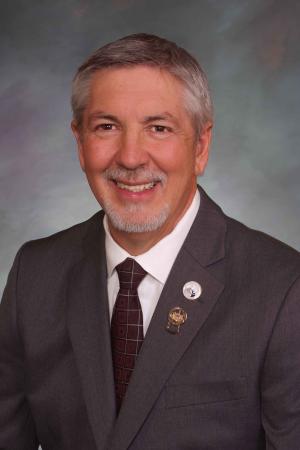
Dennis Hisey
RRepublican
P
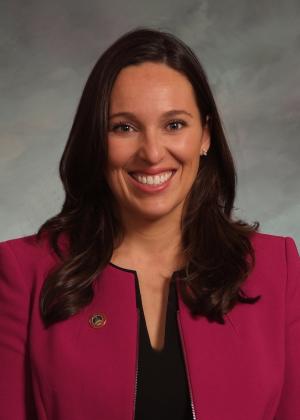
Kerry Tipper
DDemocratic
P
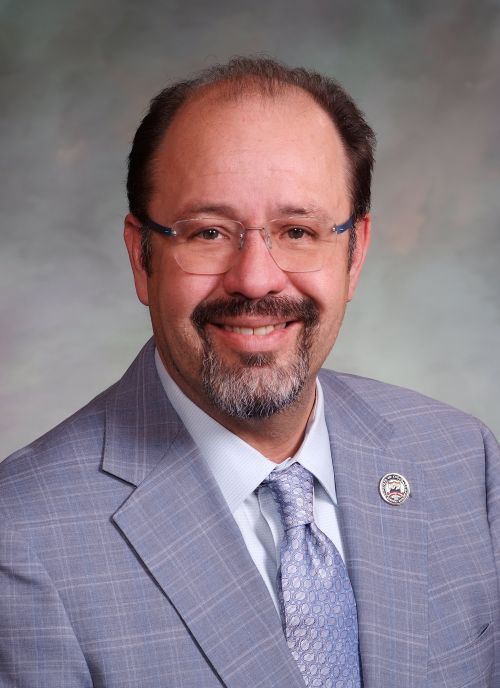
Robert Rodriguez
DDemocratic
Ask Maddy
·
AI policy assistant
Ask Maddy about SB 22-099
Scope: CO
Hi! I can help you understand SB 22-099. What would you like to know?
Try one of these
i
Maddy answers using official bill text and legislative records. Always verify before sharing.
Sources cited inline