

Restitution Services For Victims
Summary
The act provides a list of allowable restitution expenses if proximately caused by a crime for which restitution must be paid, which list includes travel expenses to certain court proceedings. The court is required to review the travel expenses to ensure the travel expenses are reasonable. If the court finds the travel expenses are unreasonable, the court may reduce the amount of recoverable travel expenses to a reasonable amount. The act requires the department of corrections to intercept government windfall payments (payments) before the payments are deposited in an inmate's bank account and send funds to the judicial department (department) in an amount equal to any amount owed by the inmate. The department is required to disburse funds pursuant to the order of crediting payments in criminal proceedings. The department of corrections is required to disperse any remaining funds in accordance with restitution for inmates sentenced to the department of corrections. If any funds remain after the inmate's outstanding obligations are fulfilled, the excess funds must be placed in the inmate's bank account. The act establishes the office of restitution services (office) in the department. The purpose of the office is to assist victims who are owed court-ordered restitution. The office is required to receive requests from victims requesting semiannual statements detailing restitution payments the defendant has made to the victim and the disbursements the court has made to the victim. The statement must include the outstanding amount of court-ordered restitution owed to the victim. The office is also required to assist with training related to the administration of the restitution system, enhance communications for postsentence restitution, and collaborate with victim advocacy programs. The act appropriates $129,359 from the judicial collection enhancement fund to the department to establish the office. (Note: This summary applies to this bill as enacted.)
Bill status
signed
all 5 stages cleared
Introduction
Jan 2022
Committee Review
May 2022
Senate Passage
May 2022
House Passage
May 2022
Signed into Law
May 2022
Introduced Jan 14, 2022
Signed May 27, 2022
Floor votes · Senate May 5, 2022 · House May 10, 2022
How they voted
34–0
Passed
Total votes 34
May 5, 2022
D
Democratic20
100% Yea
R
Republican14
100% Yea
Vote distribution
All Yea
All Nay
Mixed
No data
Full legislative history
Actions timeline
Total actions
16
Key actions
5
Committee
4
Amendments
1
May 27, 2022
Signed into law
Governor Signed
executive
May 10, 2022
Introduced
Senate Considered House Amendments - Result was to Concur - Repass
upper
May 10, 2022
Lower · Passed
House Third Reading Passed - No Amendments
lower
May 6, 2022
Lower · Passed
House Committee on Appropriations Refer Amended to House Committee of the Whole
lower
May 5, 2022
Committee
House Committee on Business Affairs & Labor Refer Unamended to Appropriations
lower
May 5, 2022
Introduced
Introduced In House - Assigned to Business Affairs & Labor
lower
May 5, 2022
Upper · Passed
Senate Third Reading Passed - No Amendments
upper
May 4, 2022
Upper · Passed
Senate Committee on Appropriations Refer Amended - Consent Calendar to Senate Committee of the Whole
upper
Feb 24, 2022
Committee
Senate Committee on Judiciary Refer Amended to Appropriations
upper
Jan 14, 2022
Introduced
Introduced In Senate - Assigned to Judiciary
upper
4 primary · 0 co-sponsors
Sponsors
Role
Legislator
Party
State
District
P

John Cooke
RRepublican
P

Julie Gonzales
DDemocratic
P
ML
Mike Lynch
RRepublican
P
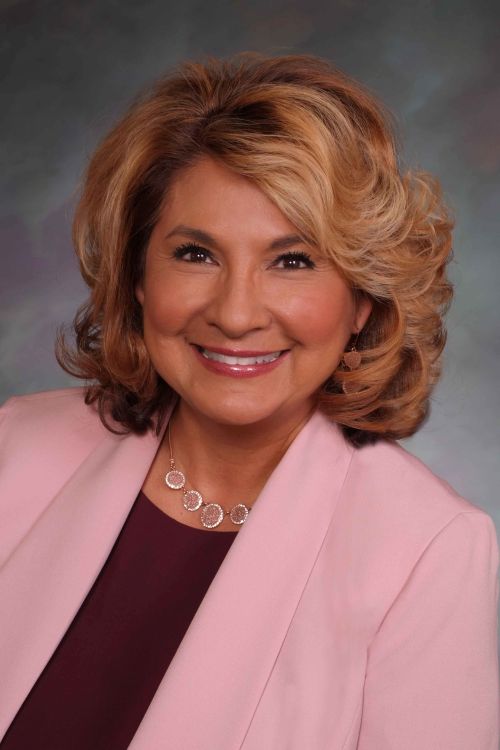
Monica Duran
DDemocratic
Ask Maddy
·
AI policy assistant
Ask Maddy about SB 22-043
Scope: CO
Hi! I can help you understand SB 22-043. What would you like to know?
Try one of these
i
Maddy answers using official bill text and legislative records. Always verify before sharing.
Sources cited inline