

Resources For Volunteer Firefighters
Summary
The act allows fire departments, including fire protection districts and volunteer fire departments, to be compensated from certain state funding sources for wildland fire suppression activities conducted in the fire department's jurisdiction if the fire department relies primarily or solely on volunteer firefighters, the fire exceeds the department's capacity to extinguish or control, and the period of mutual aid has ended. The fire department must use money received to compensate volunteer firefighters in accordance with guidelines adopted by the division of fire prevention and control (division) in the annual wildfire preparedness plan. Boards of county commissioners are authorized to reimburse fire departments from county funds for wildland fire suppression activities conducted within the fire department's jurisdiction in the same circumstances. The act amends the existing local firefighter safety and disease prevention fund (fund) to require the division to give priority in awarding grants to governing bodies and volunteer fire departments that: Have lost tax revenues as a result of decreased assessment values due to a wildland fire within their jurisdiction in the previous 5 years; Rely solely or primarily on volunteer firefighters and serve communities affected by wildland fires; or Demonstrate the greatest need for additional funding to ensure the safety of volunteer and seasonal firefighters. In addition, money in the fund may be used to reimburse a multiple employer behavioral health trust (trust) for the direct costs of providing a behavioral health care to firefighters. In fiscal year 2022-23, the reimbursement to a trust is limited to $1 million. In subsequent years, the fire service training, certification, and firefighter safety advisory board makes recommendations on the amount that should be used for this purpose. The division is also authorized to directly purchase and distribute equipment and pay for training for governing bodies and volunteer fire departments without requiring a grant application. The general assembly is required to appropriate $1 million to the fund for fiscal year 2022-23, and to appropriate $5 million to the fund in each of fiscal years 2023-24 and 2024-25. On or before September 1, 2025, the staff of the joint budget committee is required to report on whether the amount of the annual appropriation should be adjusted based on current needs. The division is required to submit an annual report on expenditures from the fund to the wildfire matters review committee or a successor committee. An entity that employs firefighters, including volunteer firefighters, is required to participate in a trust to provide behavioral health-care services to its firefighters. The division is required to reimburse the trust for its direct costs, and if the available funding is insufficient, the requirement for employers to participate becomes optional. The trust is required to provide a program of basic services to firefighters for the prevention, diagnosis, and initial treatment of emotional, behavioral, or mental health disorders. The services are provided primarily on an outpatient basis, including telephonically or remotely. The trust is authorized to further define the services and benefits available and to adopt policies and procedures for the administration of the trust. The trust is required to report, together with the division, to the wildfire matters review committee on the extent to which the program is meeting the behavioral health-care needs of firefighters, the ongoing funding needs of the trust, and any other changes that are necessary to more effectively meet the behavioral health-care needs of firefighters. $1 million is appropriated from the general fund to the fund for use by the department. (Note: This summary applies to this bill as enacted.)
Bill status
signed
all 5 stages cleared
Introduction
Jan 2022
Committee Review
Apr 2022
Senate Passage
Apr 2022
House Passage
Apr 2022
Signed into Law
Jun 2022
Introduced Jan 12, 2022
Signed Jun 3, 2022
Floor votes · Senate Apr 5, 2022 · House Apr 29, 2022
How they voted
33–0
Passed · 1 other
Total votes 34
Apr 5, 2022
D
Democratic20
100% Yea
R
Republican14
92% Yea
Vote distribution
All Yea
All Nay
Mixed
No data
Full legislative history
Actions timeline
Total actions
18
Key actions
5
Committee
4
Amendments
2
Jun 3, 2022
Signed into law
Governor Signed
executive
May 4, 2022
Introduced
Senate Considered House Amendments - Result was to Concur - Repass
upper
May 2, 2022
Introduced
Senate Considered House Amendments - Result was to Laid Over Daily
upper
Apr 29, 2022
Lower · Passed
House Third Reading Passed - No Amendments
lower
Apr 26, 2022
Lower · Passed
House Committee on Appropriations Refer Amended to House Committee of the Whole
lower
Apr 19, 2022
Committee
House Committee on Transportation & Local Government Refer Amended to Appropriations
lower
Apr 5, 2022
Introduced
Introduced In House - Assigned to Transportation & Local Government
lower
Apr 5, 2022
Upper · Passed
Senate Third Reading Passed - No Amendments
upper
Apr 1, 2022
Upper · Passed
Senate Committee on Appropriations Refer Amended to Senate Committee of the Whole
upper
Feb 22, 2022
Committee
Senate Committee on Local Government Refer Amended to Appropriations
upper
Jan 12, 2022
Introduced
Introduced In Senate - Assigned to Local Government
upper
4 primary · 0 co-sponsors
Sponsors
Role
Legislator
Party
State
District
P
JG
Joann Ginal
DDemocratic
P
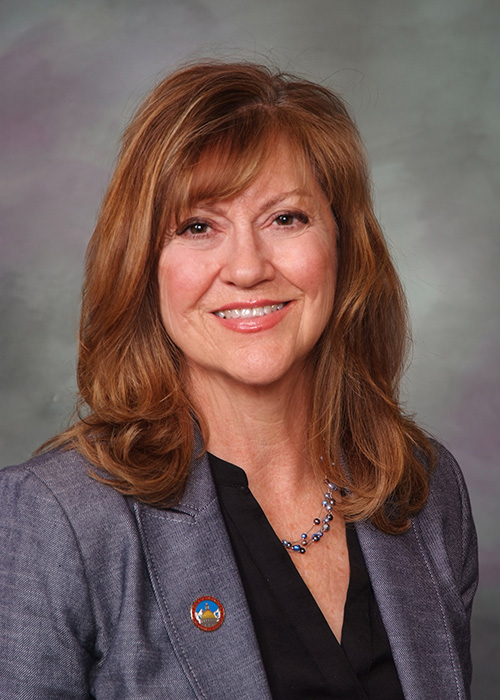
Lisa Cutter
DDemocratic
P
PW
Perry Will
RRepublican
P
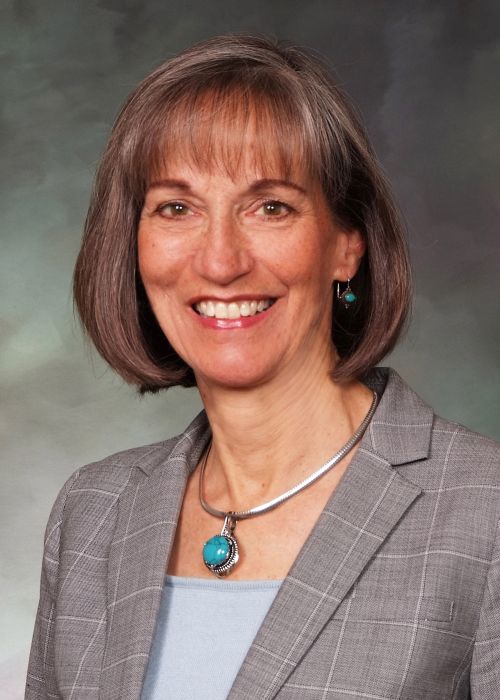
Tammy Story
DDemocratic
Ask Maddy
·
AI policy assistant
Ask Maddy about SB 22-002
Scope: CO
Hi! I can help you understand SB 22-002. What would you like to know?
Try one of these
i
Maddy answers using official bill text and legislative records. Always verify before sharing.
Sources cited inline