

Removing Barriers To Educator Preparation
Summary
The bill creates the student educator stipend program. The purpose of the student educator stipend program is to award stipend money to an eligible student to reduce the financial barriers of participating in required clinical practice as a student educator. An eligible student placed as a student educator in a 16-week academic residency may receive a stipend of $11,000, and an eligible student placed as a student educator in a 32-week academic residency may receive a stipend of $22,000. The bill also creates the educator test stipend program. The purpose of the educator test stipend program is to award stipend money to approved programs of preparation to reduce financial barriers for eligible students preparing for the assessment of professional competencies for licensure and each required endorsement area. The approved program of preparation shall distribute the stipend money to an eligible student to pay the fees and costs associated with the assessment of professional competencies, which may include travel and lodging costs. The bill creates the temporary educator loan forgiveness program. The purpose of the program is to pay the qualified loans of an educator who is hired for a hard-to-staff educator position. To qualify for the program, an educator must meet licensure requirements, enter the educator workforce on or after the 2019-20 state fiscal year and contract for a qualified position no later than the end of the 2021-22 state fiscal year, and be liable for an outstanding balance on a qualified loan. An educator who qualifies is eligible for up to $5,000 in loan forgiveness. The bill requires the department of education (department), in collaboration with the department of higher education, and institutions of higher education, the state board for community colleges and occupational education, and school districts, to create a recommend to the state board of education the standards and procedures necessary to implement the multiple measures approach to measure the professional competencies of an applicant for an initial teacher license, in addition to the assessments currently approved by the state board of education. The state board of education shall promulgate rules to establish the standards and procedures to measure professional competencies through the multiple measures approach.Current law allows the department to issue a temporary educator eligibility authorization to a person enrolled in an approved program of preparation for a special education educator license who has not yet met the requirements for the applicable initial educator license. The bill allows the department to issue a temporary educator eligibility authorization an interim authorization to a person enrolled in an approved alternative teacher preparation program who is seeking an alternative teacher license and meets the requirements for an alternative teacher license, except that the person has not yet met the requirements for the applicable initial educator license.For the 2022-23 state fiscal year, $52 million is appropriated to the department of higher education from the economic recovery and relief cash fund to be distributed to the following programs: $39 million for the student educator stipend program; $3 million for the educator test stipend program; and $10 million for the temporary educator loan forgiveness program. For the 2022-23 state fiscal year, $720,612 is appropriated to the department from the general fund to implement the purposes of the bill. (Note: Italicized words indicate new material added to the original summary; dashes through words indicate deletions from the original summary.) (Note: This summary applies to the reengrossed version of this bill as introduced in the second house.)
Bill status
signed
all 5 stages cleared
Introduction
Feb 2022
Committee Review
May 2022
House Passage
Apr 2022
Senate Passage
May 2022
Signed into Law
May 2022
Introduced Feb 10, 2022
Signed May 26, 2022
Floor votes · Senate May 5, 2022 · House Apr 22, 2022
How they voted
25–8
Passed · 1 other
Total votes 34
May 5, 2022
D
Democratic20
100% Yea
R
Republican14
57% Nay
Vote distribution
All Yea
All Nay
Mixed
No data
Full legislative history
Actions timeline
Total actions
19
Key actions
5
Committee
6
Amendments
2
May 26, 2022
Signed into law
Governor Signed
executive
May 10, 2022
Introduced
House Considered Senate Amendments - Result was to Concur - Repass
lower
May 9, 2022
Introduced
House Considered Senate Amendments - Result was to Laid Over Daily
lower
May 5, 2022
Upper · Passed
Senate Third Reading Passed - No Amendments
upper
May 3, 2022
Upper · Passed
Senate Committee on Appropriations Refer Unamended to Senate Committee of the Whole
upper
Apr 28, 2022
Committee
Senate Committee on Education Refer Amended to Appropriations
upper
Apr 22, 2022
Introduced
Introduced In Senate - Assigned to Education
upper
Apr 22, 2022
Lower · Passed
House Third Reading Passed - No Amendments
lower
Apr 21, 2022
Lower · Passed
House Committee on Appropriations Refer Amended to House Committee of the Whole
lower
Apr 7, 2022
Committee
House Committee on Education Re-Refer Amended to Appropriations
lower
Mar 29, 2022
Committee
House Committee on Appropriations Re-Refer Unamended to Education
lower
Mar 2, 2022
Committee
House Committee on Education Refer Amended to Appropriations
lower
Feb 10, 2022
Introduced
Introduced In House - Assigned to Education
lower
4 primary · 0 co-sponsors
Sponsors
Role
Legislator
Party
State
District
P
BM
Barbara McLachlan
DDemocratic
P
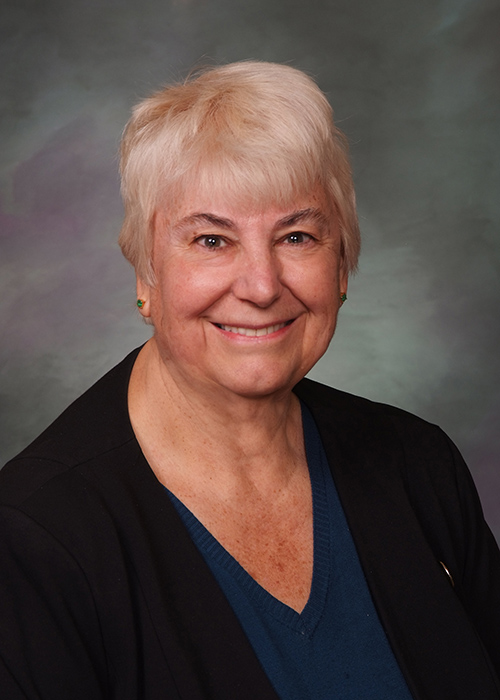
Cathy Kipp
DDemocratic
P
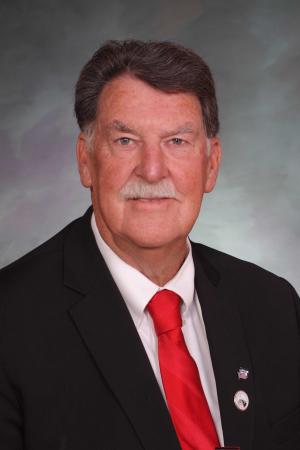
Don Coram
RRepublican
P
RZ
Rachel Zenzinger
DDemocratic
Ask Maddy
·
AI policy assistant
Ask Maddy about HB 22-1220
Scope: CO
Hi! I can help you understand HB 22-1220. What would you like to know?
Try one of these
i
Maddy answers using official bill text and legislative records. Always verify before sharing.
Sources cited inline