

Fund Indian Economic Condition Improvement
Summary
To provide funding to improve economic conditions for Native Americans, if the federal government provides funding for the existing statutorily mandated and state-funded Native American tuition waiver program that allows a Native American who is either an enrolled member of an American Indian Tribal Nation or an Alaska Native Village recognized by the federal government or is a child or grandchild of such an enrolled member to attend Fort Lewis college on a tuition-free basis, the bill: Requires the statutorily mandated annual general fund appropriation to Fort Lewis college to pay the full cost of tuition for such students to be reduced by an amount equal to the amount of the federal funding; Requires an amount of general fund money equal to the amount of the reduction in the annual general fund appropriation to be appropriated to the commission of Indian affairs (commission); Requires the commission to use the money to contract with a Colorado-based nonprofit organization that has a primary mission of improving economic socioeconomic conditions for Indians for coordination, oversight, and provision of programs and grants that support that mission; andRequires the commission and the nonprofit organization that it contracts with to jointly convene an advisory group to advise the commission and the nonprofit organization in establishing initial guidelines for programs and grants to be coordinated, overseen, or provided by the nonprofit organization and to provide ongoing advice to the commission and the nonprofit organization concerning the provision of such programs and grants; and Requires the nonprofit organization to report to the commission regarding its implementation of the contract at least once per year and to detail in its reports how it has expended the money provided to it by the commission. (Note: Italicized words indicate new material added to the original summary; dashes through words indicate deletions from the original summary.) (Note: This summary applies to the reengrossed version of this bill as introduced in the second house.)
Bill status
passed
3 of 5 stages cleared
Introduction
Jan 2022
Committee Review
Apr 2022
House Passage
Feb 2022
Senate Passage
Governor
Introduced Jan 13, 2022
Last action Apr 26, 2022
Floor votes · House Feb 16, 2022
How they voted
44–20
Passed · 1 other
Total votes 65
Feb 16, 2022
D
Democratic41
100% Yea
R
Republican24
83% Nay
Vote distribution
All Yea
All Nay
Mixed
No data
Full legislative history
Actions timeline
Total actions
6
Key actions
3
Committee
2
Apr 26, 2022
Upper · Passed
Senate Committee on State, Veterans, & Military Affairs Postpone Indefinitely
upper
Feb 18, 2022
Introduced
Introduced In Senate - Assigned to State, Veterans, & Military Affairs
upper
Feb 16, 2022
Lower · Passed
House Third Reading Passed - No Amendments
lower
Feb 10, 2022
Lower · Passed
House Committee on State, Civic, Military, & Veterans Affairs Refer Amended to House Committee of the Whole
lower
Jan 13, 2022
Introduced
Introduced In House - Assigned to State, Civic, Military, & Veterans Affairs
lower
3 primary · 0 co-sponsors
Sponsors
Role
Legislator
Party
State
District
P
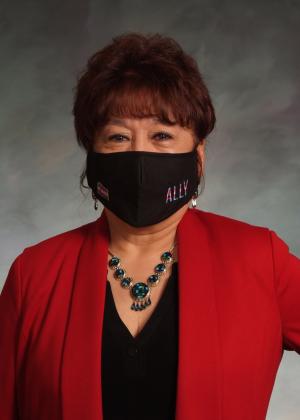
Adrienne Benavidez
DDemocratic
P
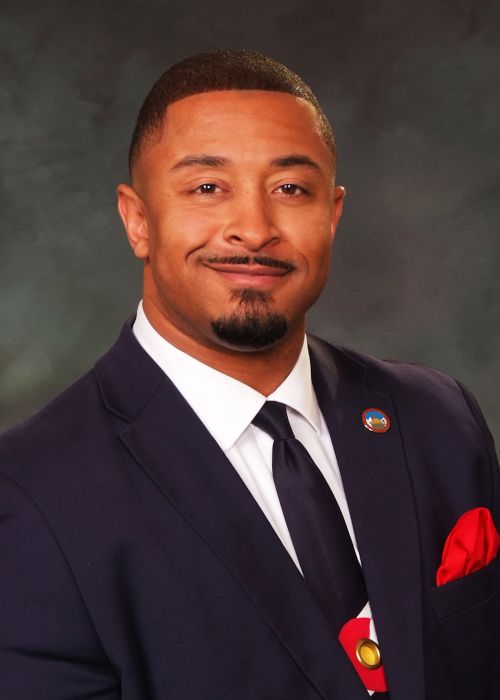
James Coleman
DDemocratic
P
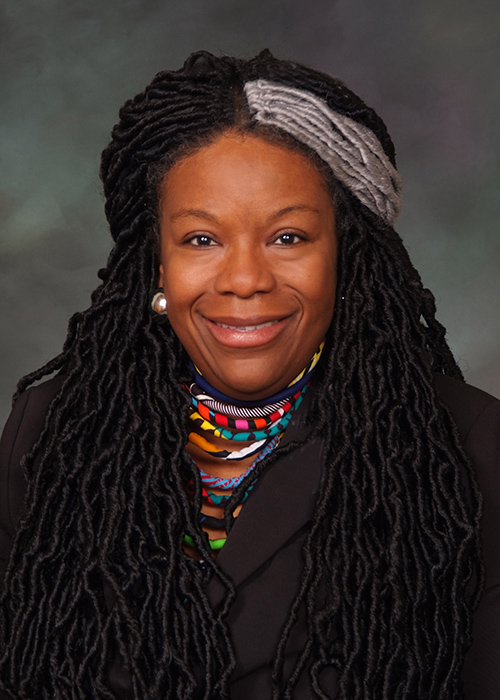
Jennifer Bacon
DDemocratic
Ask Maddy
·
AI policy assistant
Ask Maddy about HB 22-1054
Scope: CO
Hi! I can help you understand HB 22-1054. What would you like to know?
Try one of these
i
Maddy answers using official bill text and legislative records. Always verify before sharing.
Sources cited inline