

Pre-trial Reform
Summary
The bill creates the community response to low-level offenses working group in the department of public safety to study and propose statewide policy and legislative initiatives to safely increase community response in lieu of law enforcement engagement for lower-level offenses and calls for service when there is no criminal conduct. The working group shall report its findings to the judiciary committees of the house of representatives and the senate, or any successor committees, by the February 1, 2022. The bill prohibits a peace officer from arresting a person based solely on the alleged commission of a traffic offense, petty offense, drug petty offense, municipal offense, drug misdemeanor offense, or misdemeanor offense, unless: Custodial arrest is statutorily required; The offense is a victim rights crime; the offense includes an element of illegal possession or use of a firearm; or the offense constitutes unlawful sexual behavior, failure to register as a sex offender, or the offense is a violation of a temporary or regular extreme risk protection order, a violation of a credible threat to a school, or a violation of eluding in a vehicle, or motor vehicle theft ; or The officer is unable to sufficiently verify the individual's identity absent a custodial arrest. The bill prohibits a court from issuing a monetary bond for a misdemeanor offense; municipal offense; class 4, 5, or 6 felony; or a drug felony unless the court finds the defendant will flee prosecution or threaten the safety of another and no other condition of release can reasonably mitigate the risk. The bill requires the court to issue a personal recognizance bond when the defendant fails to appear, unless: The defendant failed to appear when a witness was subpoenaed or a civilian witness was on call; The defendant intentionally failed to appear for the purpose of interfering with or deterring victim or witness participation in the case; or The defendant has failed to appear 2 or more times more than one time in the case. The bill requires the court to issue a personal recognizance bond in a failure to comply with a probation conditions case that is not based on a criminal offense, unless: The violation was for a failure to comply with any court- ordered treatment related to a sex offense or domestic violence; The defendant has already had probation revoked for failure to comply in the case; or The court finds the defendant is likely to flee prosecution. The bill permits appellate review of a court's bail or bond order by either the defendant or the prosecution after a reconsideration hearing, denial of a reconsideration of bond conditions, or order for bail after conviction. The bill requires annually each county jail to provide information regarding jail population and each judicial district to provide information regarding bonds, failures to appear, and summons to the division of criminal justice in the department of public safety. The division shall compile a report of the information and post the report on its website. The bill creates a fund to pay for the study using 25% of the money collected on a failure to appear personal recognizance bond. The bill authorizes sheriffs to actively manage their jail populations in order to keep the population as low as possible while maintaining community safety, including the authority to establish jail admission standards that include offense-based admission standards that limit jail admissions. The bill appropriates $24,436 from the general fund to the judicial department for trial courts to implement the bill. The bill appropriates $50,375 from the general fund to the department of public safety for the division of criminal justice to implement the bill. (Note: Italicized words indicate new material added to the original summary; dashes through words indicate deletions from the original summary.) (Note: This summary applies to the reengrossed version of this bill as introduced in the second house.)
Bill status
passed
3 of 5 stages cleared
Introduction
May 2021
Committee Review
Jun 2021
Senate Passage
May 2021
House Passage
Governor
Introduced May 14, 2021
Last action Jun 7, 2021
Floor votes
How they voted
This bill passed the Senate by voice vote (no roll call recorded).
Full legislative history
Actions timeline
Total actions
9
Key actions
3
Committee
5
Jun 7, 2021
Lower · Passed
House Committee on Finance Postpone Indefinitely
lower
Jun 3, 2021
Committee
House Committee on Judiciary Refer Amended to Finance
lower
May 28, 2021
Introduced
Introduced In House - Assigned to Judiciary
lower
May 27, 2021
Upper · Passed
Senate Third Reading Passed - No Amendments
upper
May 26, 2021
Upper · Passed
Senate Committee on Appropriations Refer Amended to Senate Committee of the Whole
upper
May 24, 2021
Committee
Senate Committee on Finance Refer Amended to Appropriations
upper
May 20, 2021
Committee
Senate Committee on Judiciary Refer Amended to Finance
upper
May 14, 2021
Introduced
Introduced In Senate - Assigned to Judiciary
upper
4 primary · 0 co-sponsors
Sponsors
Role
Legislator
Party
State
District
P
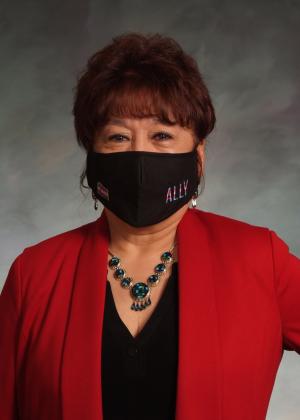
Adrienne Benavidez
DDemocratic
P
DM
Dominick Moreno
DDemocratic
P

Jennifer Bacon
DDemocratic
P

Pete Lee
DDemocratic
Ask Maddy
·
AI policy assistant
Ask Maddy about SB 21-273
Scope: CO
Hi! I can help you understand SB 21-273. What would you like to know?
Try one of these
i
Maddy answers using official bill text and legislative records. Always verify before sharing.
Sources cited inline