

Ninth Grade Success Grant Program
Summary
The bill establishes the ninth grade success grant program (grant program) to provide money for school districts, boards of cooperative services (local education providers), and charter schools to implement a ninth grade success program to assist ninth-grade students in developing the skills they need to graduate from high school and be successful postgraduation. The grant program is funded by annual appropriations, which may include appropriations from the marijuana tax cash fund. The department of education (department) may also accept and expend gifts, grants, and donations for the grant program. The bill specifies the minimum application requirements for a local education provider or charter school that chooses to apply for a grant. The department shall administer the grant program by reviewing applications and making recommendations to the state board of education (state board), which will award the grants. In making recommendations and awarding grants, the department and the state board shall prioritize those applying local education providers and charter schools that have 4-year high school graduation rates that rank in the bottom 20% of the 4-year high school graduation rates statewide. The bill includes additional criteria that the department and the state board must consider. A local education provider or charter school that receives a grant must provide matching money or in-kind contributions in amounts set by the state board, not to exceed specified percentages. Each local education provider and charter school that receives a grant must use the money to implement a ninth grade success program that meets the requirements specified in the bill. Each grant recipient must report information concerning its ninth grade success program, including evaluation data for several specified outcome measures. The department must submit a report concerning the implementation of the grant program to the state board and to the education committees of the general assembly. (Note: This summary applies to the reengrossed version of this bill as introduced in the second house.) Read More
Bill status
passed
3 of 5 stages cleared
Introduction
Mar 2019
Committee Review
May 2019
House Passage
Apr 2019
Senate Passage
Governor
Introduced Mar 26, 2019
Last action May 1, 2019
Floor votes · House Apr 27, 2019
How they voted
21–11
Passed · 2 other
Total votes 34
Apr 27, 2019
D
Democratic21
95% Yea
R
Republican13
76% Nay
Vote distribution
All Yea
All Nay
Mixed
No data
Full legislative history
Actions timeline
Total actions
8
Key actions
1
Committee
4
May 1, 2019
Committee
Senate Committee on Appropriations Refer Unamended to Senate Committee of the Whole
upper
Apr 30, 2019
Committee
Senate Committee on Judiciary Refer Unamended to Appropriations
upper
Apr 29, 2019
Introduced
Introduced In Senate - Assigned to Judiciary
upper
Apr 27, 2019
Lower · Passed
House Third Reading Passed - No Amendments
lower
Apr 26, 2019
Committee
House Committee on Appropriations Refer Amended to House Committee of the Whole
lower
Apr 11, 2019
Committee
House Committee on Education Refer Amended to Appropriations
lower
Mar 26, 2019
Introduced
Introduced In House - Assigned to Education + Appropriations
lower
4 primary · 0 co-sponsors
Sponsors
Role
Legislator
Party
State
District
P
BB
Bri Buentello
DDemocratic
P

Don Coram
RRepublican
P
NT
Nancy Todd
DDemocratic
P
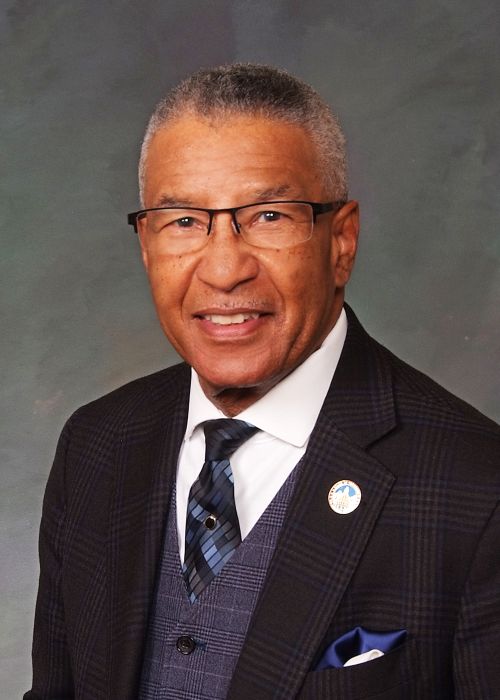
Tony Exum, Sr.
DDemocratic
Ask Maddy
·
AI policy assistant
Ask Maddy about HB 19-1276
Scope: CO
Hi! I can help you understand HB 19-1276. What would you like to know?
Try one of these
i
Maddy answers using official bill text and legislative records. Always verify before sharing.
Sources cited inline