

Redirection Criminal Justice Behavioral Health
Summary
The bill creates up to 4 pilot programs in judicial districts in the state that divert individuals with low-level criminal behavior and a mental health condition to community resources and treatment rather than continued criminal justice involvement (program). The programs must be developed in accordance with the principles and proposed model recommended by the Colorado commission on criminal and juvenile justice, adopted on January 12, 2018.The state court administrator (SCAO) and the Colorado district attorneys' council shall collaborate to identify potential program sites, with the agreement of the elected district attorneys and chief judges in a judicial district. Once a judicial district has been selected as a program site, the chief judge and district attorney for the judicial district shall work collaboratively with interested and necessary participants to decide which courts and counties within the judicial districts are best suited to implement the pilot program. Interested and necessary participants include law enforcement, jail officials, public defenders, judges, pretrial service providers, and local community mental health and behavioral health service providers. The chief judge of a designated program district is responsible for the local implementation of the program, including establishing policies and procedures and facilitating formal agreements that might be required for implementation. The SCAO is responsible for overall program administration, including ensuring that, on or before January 1, 2019, each judicial district implements its own unique program. The mental health criminal justice diversion grant program (grant program) is created within the SCAO. The SCAO shall administer and monitor the grant program, including establishing funding guidelines and acceptable expenses, making specific grant awards, and disbursing grant award money to district attorneys' offices for the implementation of local programs. The program is repealed, effective December 1, 2021. (Note: This summary applies to the reengrossed version of this bill as introduced in the second house.) , Read More
Bill status
signed
all 5 stages cleared
Introduction
Apr 2018
Committee Review
May 2018
Senate Passage
May 2018
House Passage
May 2018
Signed into Law
May 2018
Introduced Apr 17, 2018
Signed May 30, 2018
Floor votes · House May 7, 2018
How they voted
36–17
Passed
Total votes 53
May 7, 2018
D
Democratic29
100% Yea
R
Republican24
70% Nay
Vote distribution
All Yea
All Nay
Mixed
No data
Full legislative history
Actions timeline
Total actions
16
Key actions
3
Committee
4
Amendments
1
May 30, 2018
Signed into law
Governor Signed
executive
May 7, 2018
House · Passed
House Vote: pass (36-17)
house
May 7, 2018
Introduced
Senate Considered House Amendments - Result was to Concur - Repass
upper
May 4, 2018
Committee
House Committee on Appropriations Refer Amended to House Committee of the Whole
lower
May 3, 2018
Committee
House Committee on Judiciary Refer Amended to Appropriations
lower
May 3, 2018
Introduced
Introduced In House - Assigned to Judiciary
lower
May 1, 2018
Upper · Passed
Senate Committee on Appropriations Refer Amended - Consent Calendar to Senate Committee of the Whole
upper
Apr 30, 2018
Committee
Senate Committee on Judiciary Refer Amended to Appropriations
upper
Apr 17, 2018
Introduced
Introduced In Senate - Assigned to Judiciary
upper
4 primary · 0 co-sponsors
Sponsors
Role
Legislator
Party
State
District
P
BG
Bob Gardner
RRepublican
P
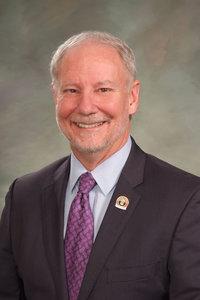
Dave Young
DDemocratic
P
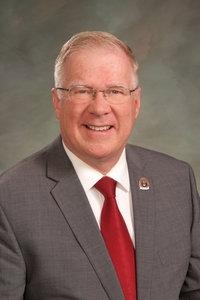
Kent Lambert
RRepublican
P

Pete Lee
DDemocratic
Ask Maddy
·
AI policy assistant
Ask Maddy about SB 18-249
Scope: CO
Hi! I can help you understand SB 18-249. What would you like to know?
Try one of these
i
Maddy answers using official bill text and legislative records. Always verify before sharing.
Sources cited inline