Maddy summaryHB 1001 reduces income tax rates for Arkansas residents, including individuals, trusts, estates, and both domestic and foreign corporations. For individuals, the bill establishes a progressive tax structure with rates ranging from 0% to 3.7% for income up to $94,700, while providing a specific tax credit for income between $94,701 and $97,600. Corporations see their tax brackets adjusted starting in 2027, with rates increasing from 1% to 4.1% on net income exceeding $11,000. The legislation also includes provisions for annual adjustments to the individual tax tables to account for inflation or other economic factors.

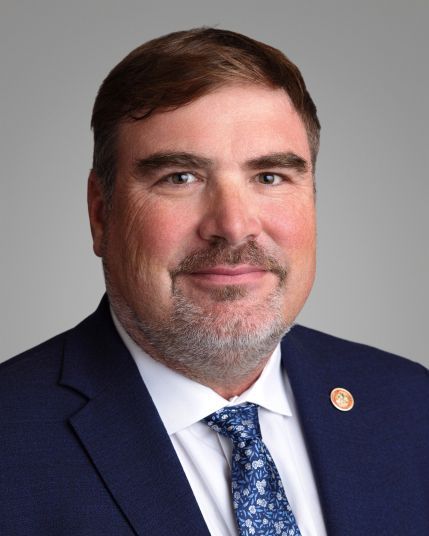
Rep. Trey Steimel
Sponsored bills
Maddy summaryThis bill increases the Arkansas homestead property tax credit for property owners, raising the annual reduction in real property taxes from $600 to $675. The change applies to assessment years starting on or after January 1, 2026, directly benefiting homeowners who qualify for the credit. By amending the state code, the legislation provides a slightly larger tax relief amount for eligible residents without altering other tax provisions.
Maddy summaryHouse Bill 1534 proposes to increase the existing homestead property tax credit. This bill directly affects homeowners by reducing the amount of property taxes they owe on their primary residence. The key mechanism is an adjustment to the credit amount, providing a larger tax reduction for eligible households.
Maddy summarySenate Bill 204 proposes to exempt certain financial gains from state gross income for tax purposes. This exemption would apply to taxpayers whose property is acquired by a government or entity under the right of eminent domain or the threat of condemnation. Essentially, any profit a property owner makes from such a forced sale would not be considered taxable income under this bill.
Maddy summaryHouse Bill 1738 proposes a sales and use tax exemption for disabled veterans and authorized members of their households in Arkansas. To qualify, a disabled veteran must be certified by the U.S. Department of Veterans Affairs and submit a letter to the Department of Finance and Administration (DFA). This exemption applies to sales of tangible personal property, digital products, and services, with an annual maximum limit of $25,000 per disabled veteran. The DFA would issue exemption cards and establish rules for the program.
Maddy summaryHB 1662, titled "TO PROHIBIT LOBBYING FOR A COVERED FOREIGN ENTITY," aimed to prevent individuals or organizations from lobbying on behalf of certain foreign entities. The provided text is an amendment to the bill, which made minor changes to specific wording and references within the original text. Without the full original bill text, the specific definitions of "covered foreign entity" or the detailed mechanisms and scope of the prohibition are not available.
Maddy summaryHouse Bill 1930 aimed to mandate minimum reimbursement levels for healthcare services provided by healthcare insurers. The bill proposed a phased increase in these minimums, starting at 45% in 2026 and reaching 100% by 2030. It would have also required the Insurance Commissioner to consider specific factors, such as an insurer's Risk-Based Capital level and Medical Loss Ratio, when reviewing proposed increases to premium rates or cost sharing for policyholders.
Maddy summarySenate Joint Resolution 11 (SJR 11) proposes a constitutional amendment to the Arkansas Constitution. This measure aims to modify Article 2, Section 5, with the specific intent to protect the right to keep and bear arms for individuals. If enacted, it would alter the state's foundational document concerning this right.
Maddy summarySenate Bill 400, titled "TO AMEND THE FAIR-FUNDING PROGRAM," modifies the structure of the state's fair-funding program by reassigning specific counties to different fair districts. The bill removes Independence County from one assignment and explicitly places Lee County, Monroe County, and Phillips County into the Tri-County Fair. These changes directly affect the designated counties and the fair organizations by clarifying their participation within the state's fair-funding framework. The bill also includes a minor typographical correction.
Maddy summaryHB 1606 grants local governments the authority to permit utility task vehicles (UTVs) on designated public streets or highways within their jurisdiction. This directly affects local government bodies by providing them with new regulatory power and UTV operators who may gain access to certain public roads. The bill allows local governments to designate specific streets or highways for UTV use and impose certain operational requirements.