

In committee Sep 24, 2026
1 co-sponsor
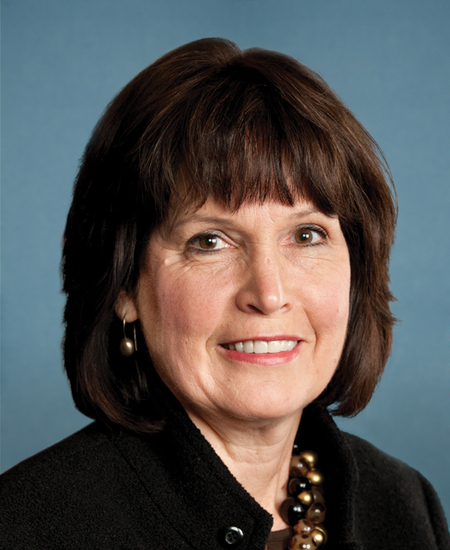
Rep. Betty McCollum
Total votes
2,837
all sessions
Attendance
99%
18 missed
Near the chamber average
With party
98%
of cast votes
Higher than 97% of chamber peers
Bipartisan score
1%
crosses aisle rarely
Lower than 97% of chamber peers
Sponsored
1,526
bills & resolutions
Near the chamber average
Committees
3
assignments
1,526 bills and resolutions
Sponsored bills
Total
1,526
Primary
42
Co-sponsor
1,484
This page
1,526
matching current filters
In committee Sep 24, 2026
0 co-sponsors
Reverse Big Ugly Tax Breaks for Data Centers Act
Maddy summaryThe Reverse Big Ugly Tax Breaks for Data Centers Act removes specific tax incentives for large-scale data centers and artificial intelligence facilities. It excludes these facilities from bonus depreciation, a provision that currently allows businesses to deduct the full cost of certain equipment in the year it is purchased. Additionally, the bill prevents these properties from qualifying as opportunity zone business property, which would otherwise offer significant tax benefits for investments in designated areas. The legislation targets structures with a power capacity exceeding 50 megawatts that are dedicated to data storage, processing, or AI operations.
Budget & TaxesOpposes Budget & TaxesThe bill removes specific tax incentives for large-scale data centers and AI facilities, thereby limiting tax benefits for certain businesses.
TechnologyOpposes TechnologyThe bill removes tax incentives for data centers and AI facilities, which could hinder investment and development in the technology sector.
In committee Sep 16, 2026
1 co-sponsor
ASAP Act
Maddy summaryThis bill would require Medicare to cover early detection screening tests for Alzheimer's disease and related dementias starting January 1, 2028. It defines eligible tests as FDA-cleared genomic blood tests, blood product analyses, or equivalent medical imaging methods (like protein expression or whole genome sequencing) that detect pre-symptomatic or early-stage conditions. Medicare beneficiaries would receive this coverage without cost-sharing for these specific screenings. The bill amends Medicare coverage rules to explicitly include these tests under Section 1861(nnn) of the Social Security Act.
In committee Sep 16, 2026
1 co-sponsor
Medically Tailored Home-Delivered Meals Program Pilot Act
Maddy summaryThis bill creates a 6-year Medicare pilot program providing medically tailored home-delivered meals and nutrition counseling to specific high-risk Medicare patients after hospital discharge. It targets individuals with diet-impacted conditions (like diabetes or heart failure) who live at home, have limited mobility, and are at high risk of hospital readmission. Selected hospitals must meet quality standards, screen patients using approved tools, and deliver at least two meals daily meeting nutritional needs while respecting cultural/religious dietary requirements, all without patient cost-sharing. The program requires hospitals to submit data for the Secretary to evaluate health outcomes, readmission rates, and cost savings compared to non-participants. Funding comes from the Medicare Hospital Insurance Trust Fund, offset by reductions to other hospital payments to maintain budget neutrality.
Budget & TaxesSupports Budget & TaxesBill creates federal funding for Medicare pilot program targeting high-risk patients, advancing essential healthcare spending through government appropriation.
HealthcareSupports HealthcareCreates Medicare-funded pilot for medically tailored meals to reduce readmissions, expanding coverage for diet-impacted conditions like diabetes.
In committee Sep 16, 2026
1 co-sponsor
AM Radio for Every Vehicle Act of 2025
Maddy summaryThis bill requires all new passenger vehicles manufactured for sale in the U.S. to include AM radio as standard equipment (not an optional add-on) by 2027-2028, depending on manufacturer size. It mandates that AM radio receivers must be easily accessible to drivers and allows compliance through digital AM broadcast technology. During a transition period, manufacturers must clearly label vehicles without AM radio but cannot charge extra for this feature. The bill also mandates a GAO study on AM radio's role in emergency alerts and includes a 10-year sunset provision for the rule. It preempts state laws regarding AM radio access in vehicles.
Passed Sep 16, 2026
1 co-sponsor
In committee Sep 15, 2026
1 co-sponsor
Critical Materials Future Act of 2025
Maddy summaryThe Critical Materials Future Act of 2025 directs the Department of Energy to establish a five-year pilot program that supports at least three domestic projects refining or recycling critical materials. The bill authorizes $750 million in funding and allows the use of innovative financial tools, such as price floors and contracts for difference, to stabilize markets and attract private investment. Projects are selected based on their potential to enhance national security and economic competitiveness, with priority given to those using domestic feedstock or sources from allied nations. The program includes a revolving fund to reinvest project revenues into new initiatives and requires the Department of Energy to publish a study evaluating the effectiveness of these financial mechanisms after the pilot concludes.
In committee Sep 15, 2026
0 co-sponsors
Aviation Medication Transparency Act of 2025
Maddy summaryHR 2592, the Aviation Medication Transparency Act of 2025, requires the Federal Aviation Administration (FAA) to create and maintain a public website listing medications approved for use by pilots and aircrew (airmen) during medical certification. The list must be developed with input from pilots' unions, air traffic controllers' representatives, and other stakeholders, and include details like "Do Not Issue" medications, required duty limitations for new medications, and contact information for medical providers. The FAA must publish this list within one year of the bill's enactment and update it annually. This directly affects pilots seeking or holding medical certifications by providing clear, accessible information about medication use in aviation.
In committee Sep 15, 2026
1 co-sponsor
Higher Education Oversight for Nonprofits Ensuring Standards and Transparency Act
Maddy summaryThis bill establishes new procedural safeguards for the Internal Revenue Service when conducting tax inquiries or examinations of universities, requiring high-level Treasury approval based on reasonable belief that a university may not qualify for tax-exempt status. It mandates that the IRS provide written notice to the institution before beginning an inquiry and at least 15 days before starting a formal examination, offering the university the opportunity to hold a conference to discuss concerns. The legislation imposes strict time limits, requiring inquiries to be completed within 90 days and examinations within two years, while also restricting the ability to re-examine a university for five years if no significant tax issues are found. Additionally, it requires the Secretary of the Treasury to submit confidential reports to congressional committees detailing any new university tax investigations.
In committee Sep 10, 2026
1 co-sponsor
Ask Maddy
·
AI policy assistant
Ask Maddy about Betty McCollum
Scope: arizona
Hi! I can help you understand Betty McCollum's legislative record. What would you like to know?
Try one of these
i
Maddy answers using official bill text and legislative records. Always verify before sharing.
Sources cited inline