

Maddy summaryArizona's HB 2990 requires counties to verify adequate water supply before approving new subdivisions in designated rural groundwater management areas. Developers must either provide a water resources director's adequacy report or secure a written commitment from a city, town, or private water provider with an approved water supply. The bill allows limited exemptions for subdivisions relying on water transported by vehicle or train, but only if counties confirm no feasible alternatives exist and transportation meets safety conditions. Counties must document approval conditions on subdivision plats and report exemptions to state water and environmental agencies. This directly affects new residential developments in rural Arizona areas where groundwater management is prioritized.
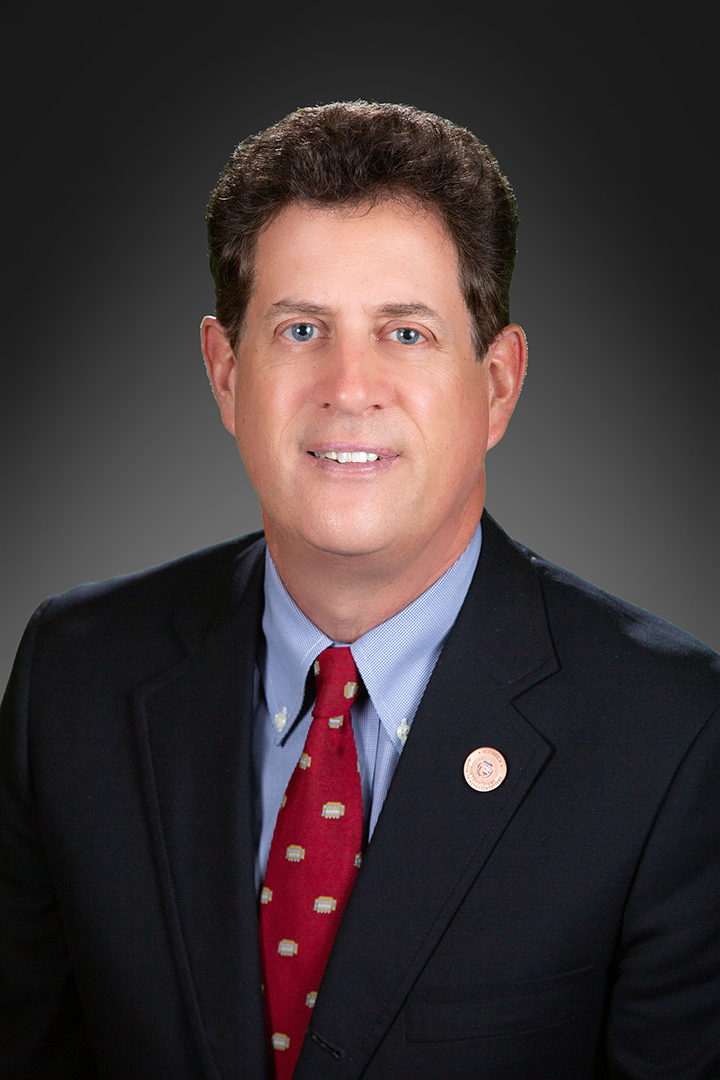
Rep. Chris Mathis
Sponsored bills
Maddy summaryThis is a commemorative resolution (HCR 2063), not a substantive bill. It honors Yvonne Glee Lime Fedderson, founder of Childhelp and a global humanitarian dedicated to child welfare, following her death on January 23, 2026. The resolution expresses the Arizona Legislature's sympathy to her family and admirers, and directs the Secretary of State to send copies of the resolution to her family and Childhelp. It has no policy provisions or impact on legislation.
Maddy summaryHB 2539 repeals three specific Arizona statutes related to wildfire planning and utility regulations. It removes requirements for wildfire mitigation planning (Title 30, chapter 7), utility-related provisions (Section 37-1311), and utility oversight rules (Title 40, chapter 8). This bill directly affects utility companies and local governments that previously had to follow these repealed rules for wildfire planning and operations. The change eliminates existing legal requirements without creating new policies.
Maddy summaryThis bill proposes amending Arizona's constitution to establish separate permanent funds for money derived from specific land grants, ensuring these funds are managed independently and invested according to strict rules. It mandates that funds be invested in safe securities (with limits on stock holdings), sets annual distribution rates (2.5% or 6.9% based on fiscal years), and requires any excess funds above 2.5% to support basic state aid for education. If fund values decline significantly, the legislature can temporarily reduce distributions to protect the principal, with reductions not affecting future calculations. The bill directly affects Arizona's state budgeting for education and land-related revenue, ensuring long-term fund stability while directing surplus funds to public education funding.
Maddy summaryHB 2540 repeals two sections of Arizona law: Title 30, Chapter 8 (covering public utilities) and Title 40, Chapter 3 (covering securities). This bill removes existing legal provisions without creating new requirements or affecting specific individuals or businesses. The repeal is purely procedural, eliminating outdated statutory references from Arizona Revised Statutes. No new policy changes or mechanisms are introduced.
Maddy summaryHB 2574 amends Arizona law to clarify the process for appealing traffic penalty judgments. It directly affects drivers who face traffic fines and wish to appeal court decisions. The bill requires courts to report stays (pauses) in enforcement to the state department, prevents the department from taking action during an appeal, and states that posting an appeal bond automatically pauses enforcement. It also allows superior court commissioners to handle these appeals, streamlining the process. The changes apply to all traffic penalty cases where a judgment is under appeal.
Maddy summaryThis resolution expresses the Arizona Legislature's sincere regret and deepest condolences regarding the death of former Senate Majority Leader Alfredo Gutierrez. It formally acknowledges his life of public service, highlighting his advocacy for civil rights, education, and immigrant communities, as well as his significant legislative achievements such as establishing the Arizona Department of Transportation and expanding Medicaid. The bill does not enact new laws or policies but serves as a commemorative gesture to honor his legacy and offer support to his surviving family members.
Maddy summaryThis is a ceremonial resolution (HCR 2064) expressing the Arizona Legislature's condolences upon the passing of former state legislator Barbara Leff. It honors her 1996-2006 service representing Paradise Valley, her work on HMO reform and economic development, and her contributions to voter information systems. The resolution extends sympathy to her surviving family members (husband, children, grandchildren) and acknowledges her community leadership. It has no policy impact or legislative effect beyond this expression of respect.
Maddy summaryHR 2006 is a ceremonial resolution passed by the Arizona House of Representatives honoring Yvonne Glee Lime Fedderson, who died on January 23, 2026. The resolution expresses the House's sympathy to her family and admirers while recognizing her founding role in Childhelp and her decades of work advancing child welfare programs, including establishing the first national child abuse hotline and advocacy centers. It directs the Secretary of State to transmit copies of the resolution to her family and Childhelp organization. As a non-binding commemorative measure, it does not create new laws or affect any policies.
Maddy summaryHB 2716 allows Arizona cities and towns to create ordinances requiring owners of residential or commercial properties vacant or abandoned for over 150 days to register the property, maintain it to safety standards (including securing structures, ensuring structural soundness, and maintaining utility connections for fire/security), and undergo inspections. Owners must provide registration details (including a local agent for emergencies), pay fees for registration and inspections, and maintain proof of insurance; failure to comply may result in fines, liens, or city-ordered repairs billed to the owner. The law defines "abandoned" through specific conditions like trash accumulation, lack of furnishings, or evidence of decay, and excludes unoccupied structures. It applies to properties meeting these criteria and ensures owners bear costs for maintenance, inspections, and city-ordered repairs, with cities collecting fees for public safety and enforcement.