Maddy summaryHB 4117 makes it a class 1 misdemeanor to knowingly disturb religious services through indecent behavior, profane language, or unnecessary noise near the worship space. It directly affects individuals who disrupt the order and solemnity of religious gatherings, whether inside the venue or nearby. The law specifically targets actions that disturb the "assemblage of persons who have met for religious worship," not general public conduct. This bill, which passed the Arizona House on February 26, 2026, creates a new criminal penalty for such disruptions.

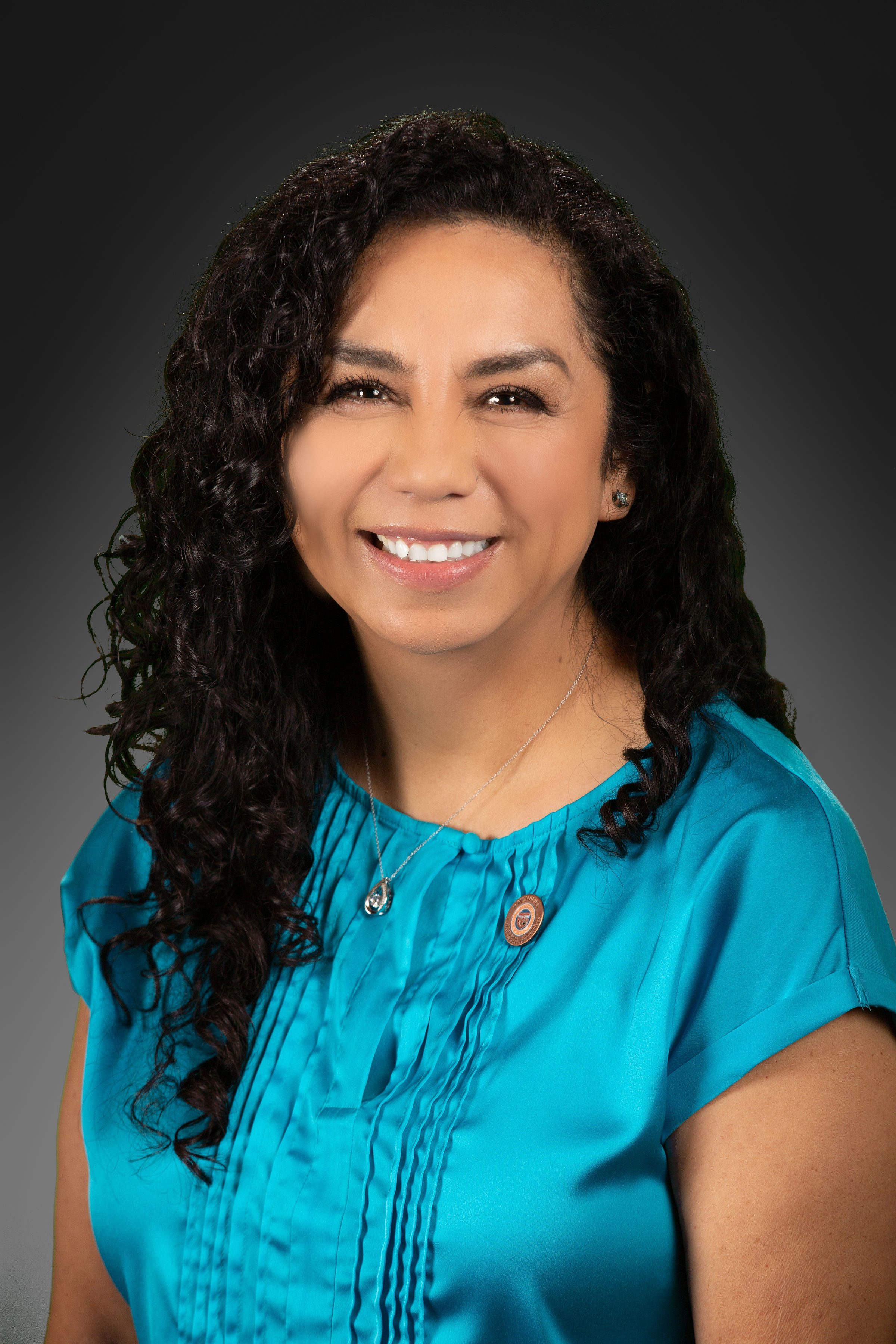
Rep. Teresa Martinez
Sponsored bills
Maddy summaryHB 2941 amends Arizona law to classify operating a motorcycle in violation of specific traffic rules (sections 28-903 B/C) as reckless driving. This directly affects motorcycle riders who commit such violations, increasing penalties for repeat offenses within 24 months. For second or subsequent violations, the law mandates a minimum 20-day jail sentence before eligibility for probation and imposes a one-year license suspension, with a restricted license option available after 45 days of suspension. The bill also requires judges to order license surrender and report convictions to the state department.
Maddy summaryHB 2960 establishes a grant program to fund specialized veterans' courts in Arizona counties and municipalities. It creates a "veterans' treatment court fund" using state appropriations, providing money to local governments to set up courts that address veterans' justice-involved behavior through individualized treatment plans for issues like PTSD, substance abuse, and traumatic brain injury. The program requires grantees to report annually on participant demographics, recidivism, treatment use, and program outcomes, with the Attorney General compiling statewide data and recommendations for improvement. This directly affects veterans involved in the criminal justice system by connecting them to targeted support services rather than standard court processing.
Maddy summaryHB 2114 creates a motorcycle safety fund by requiring $1 from each motorcycle registration fee to be deposited into it. The fund must be used for 75% on voluntary motorcycle safety education, training, and awareness programs, and 25% for scholarships to help rural or low-income residents access training. The bill also requires that motorcycles can only be registered if at least one owner holds a class M driver license (with a 30-day temporary registration exception for those enrolled in approved training programs). These provisions directly affect motorcycle owners, registration processes, and funding for safety initiatives.
Maddy summaryHB 4056 amends Arizona Revised Statutes § 13-116 to clarify that when an act violates multiple laws, sentences must run concurrently (served at the same time), not consecutively. It also states that a conviction or acquittal under one law bars prosecution for the same act under another law, aligning with constitutional protections against double jeopardy. This technical correction directly affects criminal defendants in Arizona who face charges under multiple statutes for the same conduct. The bill passed the Arizona House of Representatives on March 3, 2026, and was referred to the Senate.
Maddy summaryHB 2950 establishes a framework for Arizona municipalities and counties to create "tourism improvement areas" (TIAs) to fund tourism promotion. It requires a petition signed by lodging business owners representing at least 67% of rooms in the proposed area, including specific boundaries, assessment rates (based on property size or room count), and a detailed plan for how funds will be used. Lodging businesses within a TIA must pay an assessment on room rentals, which can be a fixed fee per night or a percentage of sales, with funds strictly limited to advertising, promotion, and business recruitment directly benefiting lodging businesses. The bill prohibits using these funds for physical infrastructure and sets a 30-day deadline to legally challenge the assessment. This directly affects hotels and resorts in designated areas by requiring them to pay a new, locally determined fee.
Maddy summaryThis bill requires Arizona's Department of Child Safety (DCS) to record all interviews with children during abuse or neglect investigations via audio or video, unless equipment fails or unforeseen circumstances prevent it. It mandates specific investigator training on child safety assessments, legal rights, and evidence-informed protocols, while banning covert voice stress analysis and limiting overt use to cases with informed consent. DCS must submit written investigation reports to case management systems within 45 days and to courts 48 hours before dependency hearings. These changes directly affect DCS investigators, children in abuse/neglect cases, and families involved in child welfare proceedings.
Maddy summaryHB 2417 allows courts to order drivers convicted of specific speeding offenses to install a speed-limiting device on their vehicle instead of facing license suspension. It applies to first-time excessive speeding convictions, drivers accumulating points requiring a one-year suspension, second speeding offenses within 24 months, and minors' first speeding offense. Drivers must pay for installation and maintenance, and device providers must electronically verify compliance (including no tampering) to the state. Failure to maintain the device results in license suspension and a class 1 misdemeanor charge.
Maddy summaryHB 2113 amends Arizona law to strengthen the role of the Director of Residential Utility Consumers. It requires the Director to intervene in public utility rate cases when proposed increases would raise residential customers' bills by 100% or more. The bill also mandates that the Director record all consumer contacts about service quality to identify broader issues, and refers consumers to the Corporation Commission for further assistance. These changes directly affect Arizona residential utility customers by giving the Director greater authority to challenge significant rate hikes.
Maddy summaryThis is a commemorative resolution (HCR 2063), not a substantive bill. It honors Yvonne Glee Lime Fedderson, founder of Childhelp and a global humanitarian dedicated to child welfare, following her death on January 23, 2026. The resolution expresses the Arizona Legislature's sympathy to her family and admirers, and directs the Secretary of State to send copies of the resolution to her family and Childhelp. It has no policy provisions or impact on legislation.