SB 1533 Arizona Senate · 57th Legislature - First Regular Session

personal information: confidentiality; judge's families

Arizona's SB 1533 allows certain individuals to request that their personal information - like residential addresses and property details - be hidden from public access in county property records. It directly affects public officials, peace officers (including their spouses and minor children), people under protection orders, and participants in Arizona’s address confidentiality program. To qualify, applicants must file an affidavit with a judge detailing safety concerns, and a judge may grant five years of restricted access if the request reduces a danger to life or safety. The bill streamlines the process for law enforcement personnel to submit collective requests through their agency heads. This policy change modifies how county recorders handle public access to property records for eligible individuals.
Bill status passed 3 of 5 stages cleared
Introduction
Feb 2025
Committee Review
Mar 2025
Senate Passage
Feb 2025
House Passage
Governor
Introduced Feb 10, 2025 Last action Mar 24, 2025
Maddy AI version diff · 1 comparison

What changed between versions

Introduced Version Senate Engrossed Version · 6 edits · Feb 27, 2025
MODERATE
This bill updates Arizona's confidentiality laws to better protect the personal information of public officials, peace officers, and other eligible individuals. It expands protections across multiple state statutes, clarifies eligibility criteria, and strengthens enforcement mechanisms for unauthorized disclosure of sensitive information.
Scope change
The bill's scope remains focused on records confidentiality but expands the list of protected individuals and clarifies procedures for requesting confidentiality across various government records systems.
ELIGIBILITY

Added 'justice' and 'hearing officer' to the list of eligible persons who can request confidentiality protections for their personal information.

REQUIREMENT

Updated affidavit filing procedures to allow peace officers and other eligible persons to submit requests through their commanding officers or agency heads rather than directly to the court.

DEFINITION

Added new definitions for 'justice', 'hearing officer', and 'law enforcement support staff member' to clarify who qualifies for confidentiality protections.

TIMELINE

Established specific timelines for court orders to take effect (within 10 days for county records, 120 days for voter records, 150 days for transportation records) and for removing restrictions after expiration.

ENFORCEMENT

Added criminal penalties for knowingly releasing protected personal information, including class 5 and class 6 felony charges depending on the circumstances.

TECHNICAL

Reorganized and renumbered sections of multiple statutes to create consistent confidentiality provisions across county recorder, assessor, treasurer, voter registration, and transportation department records.

Floor votes · Senate Feb 27, 2025

How they voted

290
Passed · 1 other
Total votes 30
Feb 27, 2025
D Democratic13
12 Yea 1
92% Yea
R Republican17
17 Yea
100% Yea
Vote distribution
All Yea All Nay Mixed No data
Full legislative history

Actions timeline

Total actions
9
Key actions
3
Committee
2
Mar 19, 2025
Lower · Passed
DP
lower
Feb 27, 2025
Upper · Passed
PASSED
upper
Feb 12, 2025
Upper · Passed
DP
upper
1 primary · 0 co-sponsors

Sponsors

Role
Legislator
Party
State
District
P
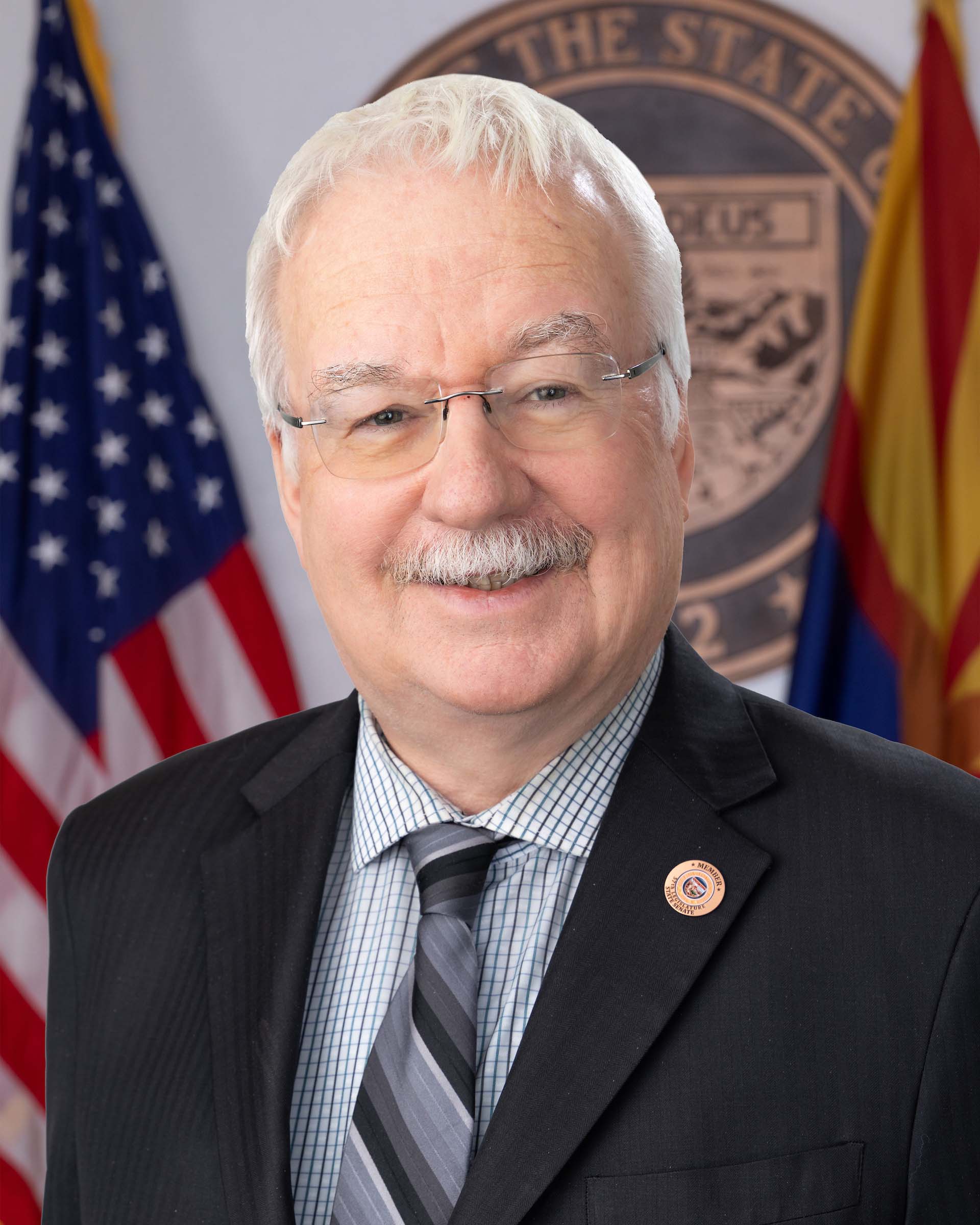
Photo of John Kavanagh
John Kavanagh
RRepublican
AZ
3