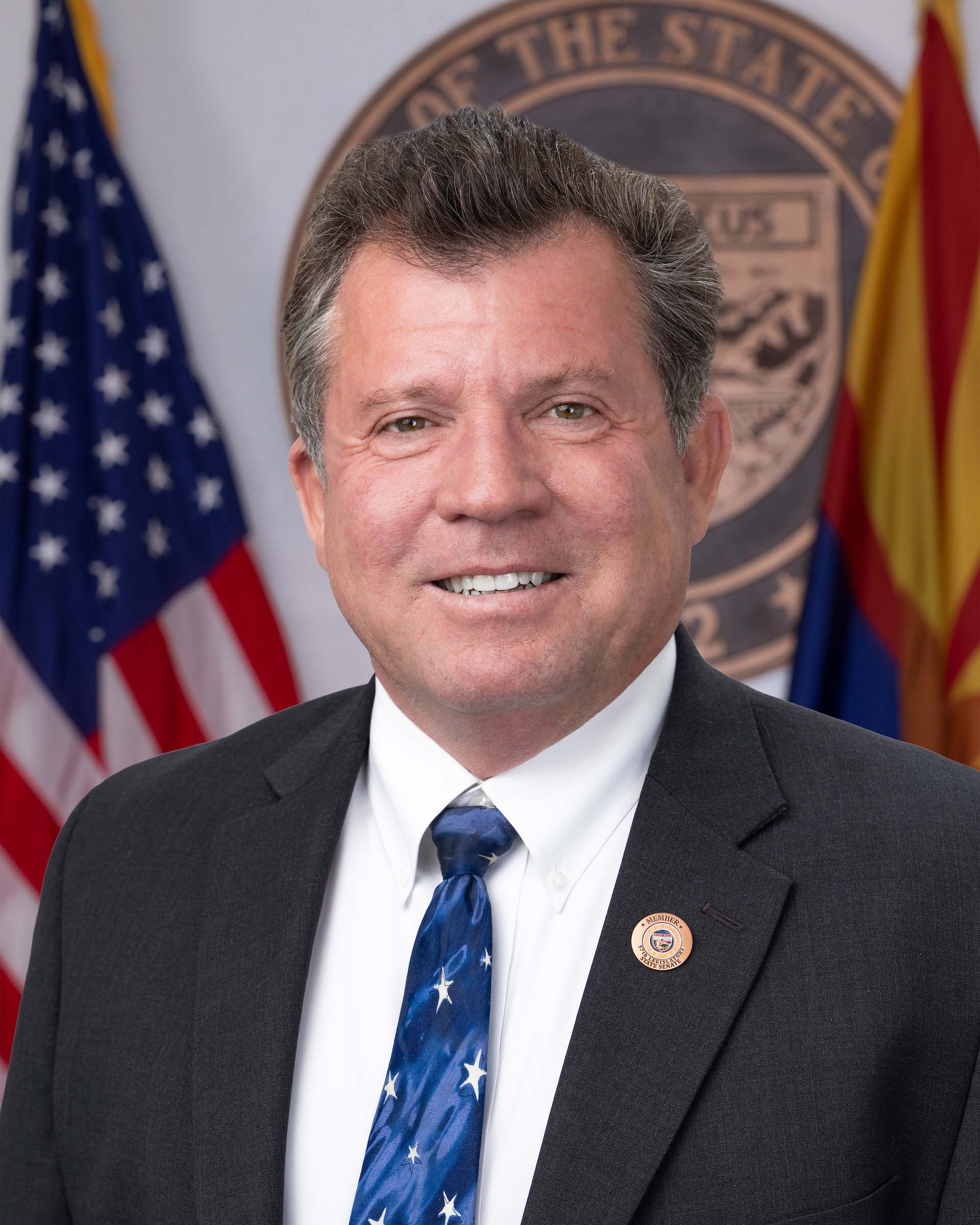
SB 1333 Arizona Senate · 57th Legislature - First Regular Session

congregate care; dependent children; placement

SB 1333 creates a "foster youth permanency pilot project team" to help Arizona children in foster care achieve permanent living arrangements before aging out of the system. The team reviews each child’s case, identifies barriers to permanency (like unmet needs or lack of family connections), and develops tailored action plans with input from the child, caregivers, and legal representatives. It directly affects youth at risk of leaving foster care without a permanent home, particularly those turning 18 or entering extended foster care. The team can access agency resources, contract with specialists (like family locators or legal experts), and must protect youth privacy while working toward permanency. The bill also updates foster home licensing rules but focuses primarily on this new support mechanism.
Bill status signed all 5 stages cleared
Introduction
Feb 2025
Committee Review
Feb 2025
Senate Passage
Apr 2025
House Passage
Apr 2025
Signed into Law
Apr 2025
Introduced Feb 3, 2025 Signed Apr 18, 2025
Maddy AI version diff · 3 comparisons

What changed between versions

Senate Engrossed Version Chaptered Version · 6 edits
MODERATE
This bill updates Arizona's child welfare laws to streamline foster care licensing and improve placement options for children with behavioral health needs. It removes the requirement for agencies to conduct fingerprint clearance card waivers for kinship caregivers, simplifies the criteria for provisional licenses, and expands the definition of licensed facilities to include behavioral health programs. Additionally, it adds new reporting requirements to track children denied placement in behavioral health facilities and clarifies the rules for denying such placements.
Scope change
The bill expands the scope of licensed facilities to include behavioral health facilities and programs, whereas previously only 'secure behavioral health residential facilities' were explicitly mentioned in certain sections.
REQUIREMENT

Removed the requirement for the Department of Child Safety to apply specific fingerprint clearance card waiver criteria for kinship foster care parents, simplifying the licensing process for relatives caring for children.

Revised the definition of 'congregate care' to clarify that it applies to agencies providing 24-hour care for more than one child, ensuring the definition aligns with current operational realities.

Mandated that behavioral health facilities denying placement of a foster child must document specific clinical reasons and notify the placement agency within 24 hours, ensuring timely communication and justification for denials.

ENFORCEMENT

Added new reporting requirements to track the number of children approved for placement in behavioral health facilities who are subsequently denied or refused placement, increasing transparency and accountability.

ELIGIBILITY

Expanded the types of facilities eligible to receive foster children to include behavioral health facilities and programs, not just secure behavioral health residential facilities, to increase placement options.

DEFINITION

Updated the definition of 'secure' in the context of behavioral health facilities to emphasize limiting egress in the least restrictive manner consistent with a court-ordered treatment plan.

Floor votes · Senate Mar 13, 2025 · House Apr 9, 2025

How they voted

280
Passed · 2 other
Total votes 30
Mar 13, 2025
D Democratic13
11 Yea 2
84% Yea
R Republican17
17 Yea
100% Yea
Vote distribution
All Yea All Nay Mixed No data
Full legislative history

Actions timeline

Total actions
15
Key actions
8
Committee
1
Amendments
3
Apr 18, 2025
Signed into law
Signed by Governor
executive
Apr 15, 2025
Upper · Passed
PASSED
upper
Apr 9, 2025
Lower · Passed
PASSED
lower
Apr 3, 2025
Lower · Passed
DPA
lower
Mar 24, 2025
Lower · Passed
DPA
lower
Mar 13, 2025
Upper · Passed
PASSED
upper
Mar 6, 2025
Upper · Passed
DPA
upper
Feb 19, 2025
Upper · Passed
DP
upper
1 primary · 4 co-sponsors

Sponsors