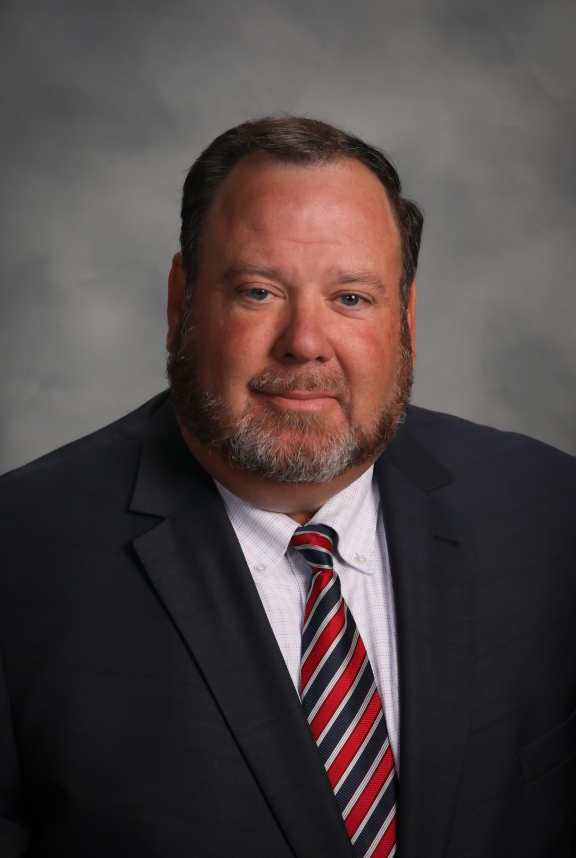
Photo of Bryan Brinyark
R Alabama House · District 16

Rep. Bryan Brinyark

Compare
Total votes
1,135
all sessions
Attendance
100%
2 missed
Higher than 98% of chamber peers
With party
99%
of cast votes
Higher than 93% of chamber peers
Bipartisan score
0%
crosses aisle rarely
Lower than 92% of chamber peers
Sponsored
16
bills & resolutions
Lower than 100% of chamber peers
Committees
4
assignments
16 bills and resolutions

Sponsored bills

Total
16
Primary
16
Co-sponsor
0
This page
16
matching current filters
Primary HB 92
Signed into law · Alabama House · Lead sponsor
Tuscaloosa County; full-time mayors authorized to participate in Employees' Retirement System of Alabama, constitutional amendment

Maddy summaryThis bill proposes a constitutional amendment to allow full-time mayors in Tuscaloosa County municipalities to join Alabama's Employees' Retirement System (ERS) under the same terms as other ERS participants. It directly affects mayors serving in Tuscaloosa County cities who are employed full-time in their mayoral roles. The key provision permits these mayors to participate in ERS, including purchasing service credit for prior service upon ratification. The amendment requires voter approval through a special election before becoming part of Alabama's constitution.

Signed into law Apr 8, 2026 0 co-sponsors
Primary HB 100
In committee · Alabama House · Lead sponsor
Alabama Justice Information Commission; collection, dissemination, and use of biometric identifiers by certain entities provided for; Alabama Background Check Service established, types, uses, and fees for certain background checks for noncriminal justice purposes authorized; Alabama Rap Back Program established, penalties provided for; existing law relating to release of criminal history information repealed

Maddy summaryHB 100 establishes the Alabama Background Check Service for non-criminal justice background checks (e.g., for employment or licensing) and creates the Alabama Rap Back Program, which automatically notifies employers if an individual's background changes. It sets annual fees up to $12 for participating entities like businesses and organizations using these services. The bill repeals existing laws governing the release of criminal history information and requires the Alabama Law Enforcement Agency (ALEA) to adopt rules for operating these programs. This affects entities seeking background checks for non-criminal purposes, streamlining access while adding fee structures and automated update mechanisms. The bill is currently pending committee review (as of January 13, 2026).

In committee Mar 17, 2026 0 co-sponsors
Primary HB 518
In committee · Alabama House · Lead sponsor
Courts; criminal procedure, electronic means authorized to swear warrants and citations in certain circumstances, law enforcement officers authorized to administer oaths in certain circumstances

Maddy summaryThis bill allows law enforcement officers to swear to traffic citations and misdemeanor citations using digital tools like video calls or phone calls instead of appearing in person before a judge. It also permits officers to administer oaths to colleagues for these documents under specific conditions. The changes apply to both traffic offenses and non-traffic misdemeanor violations covered by standard citation forms. The bill requires approved technology and maintains that physical presence before a judge is not necessary for these processes.

In committee Mar 11, 2026 0 co-sponsors
Primary HB 483
In committee · Alabama House · Lead sponsor
Unincorporated nonprofit associations; decentralized associations provided for

Maddy summaryHB 483 creates a new legal structure for "decentralized unincorporated nonprofit associations" in Alabama, allowing nonprofits to operate using blockchain technology and smart contracts for governance. It permits these associations to own property, engage in profit-making activities (with profits directed toward their nonprofit purpose), and pay reasonable compensation to members or administrators. The bill establishes rules for member voting rights, administrative duties, and dissolution procedures, while requiring all activities to align with a nonprofit purpose that doesn’t distribute profits to members. This directly affects nonprofits seeking to use digital tools for governance, such as those managing community networks or digital platforms under a shared nonprofit mission.

In committee Feb 25, 2026 0 co-sponsors
Primary HB 285
In committee · Alabama House · Lead sponsor
Coal-Impacted Communities Economic and Workforce Development Grant program established, new fund created, distribution of rent and royalties of federal coal lease sales

Maddy summaryHB 285 establishes a grant program to fund economic and workforce development initiatives in Alabama's coal-impacted communities using revenues from federal coal lease sales. The bill creates a dedicated "Renewing Coal-Impacted Communities Act Fund" in the state treasury, which will receive rent and royalty payments from federal coal leases starting January 1, 2027. Grants can support workforce training, infrastructure improvements, community development projects, and operations of the Alabama Surface Mining Commission. The program targets designated coal-impacted areas - including Fayette, Jefferson, Tuscaloosa, and Walker counties - and requires an advisory committee with local community representation to review applications and recommend funding.

In committee Feb 12, 2026 0 co-sponsors
Primary HB 304
In committee · Alabama House · Lead sponsor
Relating to the Advanced Technology and Data Exchange Fund; expenditure of monies from the fund, creation of additional advanced technology and data exchange funds

Maddy summaryHB 304 would amend Alabama law to allow the Advanced Technology and Data Exchange Fund to be used for the general operation of courts, expanding its current limited use beyond specific purposes like electronic filing. The bill also creates three new funds: one for the Supreme Court, one for the Court of Civil Appeals, and one for the Court of Criminal Appeals. Each fund will support technology upgrades, including electronic case filing, data sharing with agencies, and staff training to improve court efficiency. The bill is currently pending in the House Committee on Ways and Means.

In committee Feb 12, 2026 0 co-sponsors
Primary HB 305
In committee · Alabama House · Lead sponsor
Juries; special venire in capital felony cases allowed, voire dire procedures and alternate juror procedures further provided for, procedures when there are not enough qualified jurors present established

Maddy summaryHB 305 allows Alabama courts to use a special jury pool (a separate group of potential jurors) in capital felony trials, which was previously prohibited. The bill requires courts to follow specific steps during jury selection, including administering an oath to potential jurors, ensuring both the prosecution and defense can question them, and removing jurors for cause based on motion. It also permits courts to retain alternate jurors after the main jury begins deliberating and establishes clear procedures for when there aren’t enough qualified jurors present to form a jury. These changes apply directly to courts handling capital felony cases in Alabama.

In committee Feb 5, 2026 0 co-sponsors
Primary HB 210
Signed into law · Alabama House · Lead sponsor
Fayette County; senior property tax exemption authorized, constitutional amendment

Maddy summaryHB 210 proposes a constitutional amendment for Fayette County, Alabama, allowing residents aged 65 or older to claim a property tax exemption on their primary residence. To qualify, seniors must own a single-family home as their principal residence for at least five years prior to claiming the exemption, which freezes the property’s assessed value at the prior year’s level. The exemption requires written application to Fayette County’s Revenue Commissioner between October 1 and December 31, 2027, and remains in effect as long as the property continues as the owner’s primary residence. This change does not affect millage rates or other existing exemptions like the homestead exemption.

Signed into law Feb 3, 2026 0 co-sponsors
Primary HB 99
In committee · Alabama House · Lead sponsor
Guardianships, bill of rights for adults with guardians

Maddy summaryHB 99 establishes a "Guardianship Bill of Rights" for adults in Alabama under court-appointed guardianship. It directly affects adults with guardians by guaranteeing them specific rights: access to justice (including a lawyer who advocates for their choices and participation in court hearings), core human rights (dignity, freedom from abuse, privacy), and decision-making control (like involvement in care plans and managing personal property). Key provisions require guardians to respect the adult's preferences, allow participation in decisions, provide communication accommodations, and maintain confidentiality unless necessary for safety. The bill supplements existing laws and takes effect October 1, 2026.

In committee Jan 13, 2026 0 co-sponsors
Primary HB 512
Signed into law · Alabama House · Lead sponsor
Fayette County, sheriff's compensation further provided for

Maddy summaryHB 512 proposes changes to the compensation for the Sheriff of Fayette County. Effective October 1, 2025, the sheriff will continue to receive their current base annual salary in addition to a new $20,000 annual expense allowance. Beginning January 18, 2027, the sheriff's base annual salary will be set at $80,000, at which point the previous salary and expense allowance provisions will be voided.

Signed into law May 22, 2025 0 co-sponsors
Showing 1 to 10 of 16 bills