

Ethics, Certain research and development activities of public institutions of higher education not covered by ethics laws
SB 237 clarifies that Alabama's ethics laws do not restrict public universities from accepting grants, conducting research, collaborating with others, or developing intellectual property through technology transfer agreements. The bill directly affects public institutions of higher education and their staff by removing ambiguity that might have discouraged such activities under existing ethics rules. It specifies these exceptions apply only when activities follow the institution's own established policies. The law takes effect on June 1, 2026, and does not alter broader ethics requirements for public employees.
Bill status
passed
3 of 5 stages cleared
Introduction
Jan 2026
Committee Review
Mar 2026
Senate Passage
Mar 2026
House Passage
Governor
Introduced Jan 29, 2026
Last action Mar 17, 2026
Maddy AI version diff · 1 comparison
What changed between versions
Introduced
→
Engrossed
·
2 edits
·
Mar 10, 2026
MINOR
The bill was amended to clarify that public universities can establish separate entities under Title 10A to promote innovation and commercialization. Additionally, the language regarding who can engage in these activities was broadened from 'public servants' to include 'public officials and public employees.' These changes expand the bill's scope to allow for more flexible commercialization structures and ensure all relevant university staff are explicitly covered.
Scope change
The bill's scope expanded to explicitly allow the creation of new entities for commercialization and to include public employees alongside public officials in the scope of permitted activities.
SCOPE
Added the ability to establish one or more entities organized under Title 10A to promote innovation and commercialization.
ELIGIBILITY
Changed the term 'public servants' to 'public officials and public employees' to explicitly include all relevant staff in the activities allowed by the bill.
Floor votes
How they voted
This bill passed the Senate by voice vote (no roll call recorded).
Full legislative history
Actions timeline
Total actions
13
Key actions
6
Committee
4
Amendments
2
Mar 17, 2026
Lower · Passed
Reported Out of Committee Second House
lower
Mar 10, 2026
Lower · Passed
Pending Committee Action in Second House (Ethics and Campaign Finance)
lower
Mar 10, 2026
Upper · Passed
Motion to Read a Third Time and Pass as Amended - Adopted Roll Call 759
upper
Mar 10, 2026
Upper · Passed
Singleton motion to Adopt - Adopted Roll Call 758
upper
Mar 10, 2026
Introduced
Singleton 1st Amendment Offered
upper
Feb 25, 2026
Upper · Passed
Reported Out of Committee House of Origin
upper
Jan 29, 2026
Upper · Passed
Pending Committee Action in House of Origin (Judiciary)
upper
1 primary · 0 co-sponsors
Sponsors
Role
Legislator
Party
State
District
P
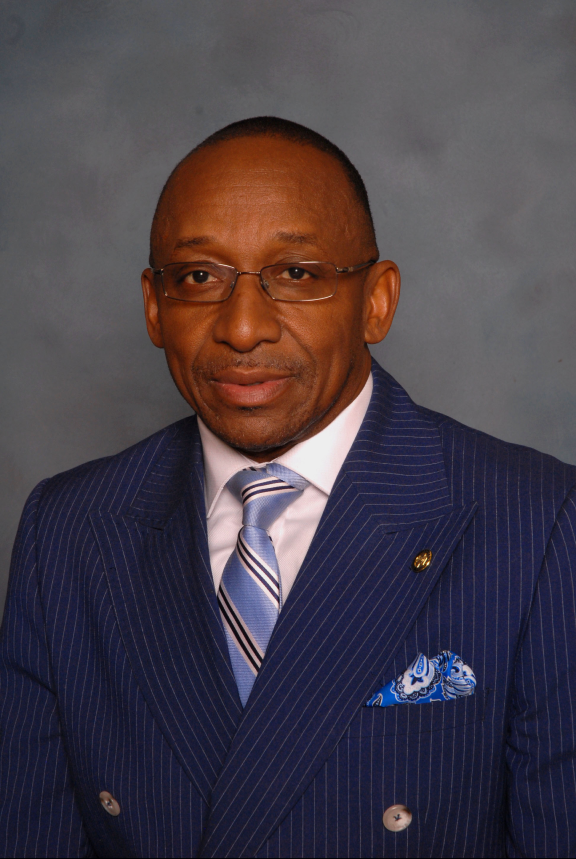
Bobby Singleton
DDemocratic
Ask Maddy
·
AI policy assistant
Ask Maddy about SB 237
Scope: AL
Hi! I can help you understand SB 237. What would you like to know?
Try one of these
i
Maddy answers using official bill text and legislative records. Always verify before sharing.
Sources cited inline