

Tax increment districts, Major 21st Century Manufacturing Zone allowed to be located within a tax increment district without regard to size of district and further provides for use of ad valorem tax revenues collected within a district
This bill modifies rules for tax increment districts in the state, allowing major 21st Century Manufacturing Zones to be located within these districts regardless of the district's size. It specifically expands the list of eligible industries to include ship building, medical, pharmaceutical, semiconductor, computer, and aviation sectors. The legislation also permits the use of ad valorem tax revenues collected within these districts to support the designated manufacturing zones. These changes aim to provide more flexibility in economic development efforts by broadening which industries can benefit from tax increment financing.
Bill status
signed
all 5 stages cleared
Introduction
Mar 2026
Committee Review
Apr 2026
House Passage
Mar 2026
Senate Passage
Apr 2026
Signed into Law
Apr 2026
Introduced Mar 17, 2026
Signed Apr 17, 2026
Maddy AI version diff · 2 comparisons
What changed between versions
Engrossed
→
Enrolled
·
4 edits
·
Apr 17, 2026
MODERATE
The bill was finalized as an enrolled version, incorporating several substantive changes to the definitions of a 'Major 21st Century Manufacturing Zone.' The most significant addition is a new category for 'predominantly open' areas that hinder economic growth, expanding eligibility beyond just blighted or distressed zones. Additionally, the definition of 'Local Finance Officer' was broadened to include agents responsible for revenue handling, and the definition of 'Project' was expanded to explicitly include efforts to prevent the spread of blight.
Scope change
The bill's scope was expanded to include 'predominantly open' areas as eligible zones for the Manufacturing Zone program, in addition to previously defined blighted or economically distressed areas.
DEFINITION
Added a new definition for 'predominantly open' areas, allowing zones to be designated based on obsolete platting or diversity of ownership that impedes economic growth, rather than just existing blight.
Expanded the definition of 'Local Finance Officer' to include agents responsible for revenue receipt and disbursement, broadening who can manage the program's finances.
Added a new definition for 'Project' that explicitly includes preventing the development or spread of blight, clarifying that proactive blight prevention counts as a qualifying project.
TECHNICAL
Corrected line breaks and formatting inconsistencies between the engrossed and enrolled versions to ensure the final legal text is clean and readable.
Floor votes
How they voted
This bill passed the Senate by voice vote (no roll call recorded).
Full legislative history
Actions timeline
Total actions
22
Key actions
8
Committee
4
Amendments
4
Apr 7, 2026
Upper · Passed
Motion to Read a Third Time and Pass - Adopted Roll Call 1176
upper
Apr 1, 2026
Upper · Passed
Reported Out of Committee Second House
upper
Mar 31, 2026
Upper · Passed
Pending Committee Action in Second House (Tourism)
upper
Mar 31, 2026
Lower · Passed
Motion to Read a Third Time and Pass as Amended - Adopted Roll Call 1080
lower
Mar 31, 2026
Lower · Passed
Motion to Adopt - Adopted Roll Call 1079
lower
Mar 31, 2026
Introduced
Pringle 1st Amendment Offered
lower
Mar 31, 2026
Lower · Passed
Motion to Adopt - Adopted Roll Call 1078
lower
Mar 31, 2026
Introduced
Economic Development and Tourism Engrossed Substitute Offered (Economic Development and Tourism)
lower
Mar 18, 2026
Lower · Passed
Reported Out of Committee House of Origin (Economic Development and Tourism)
lower
Mar 17, 2026
Lower · Passed
Pending Committee Action in House of Origin (Economic Development and Tourism)
lower
1 primary · 0 co-sponsors
Sponsors
Role
Legislator
Party
State
District
P
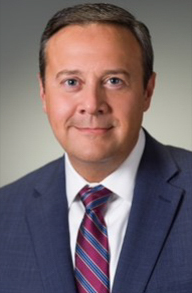
Andy Whitt
RRepublican
Ask Maddy
·
AI policy assistant
Ask Maddy about HB 626
Scope: AL
Hi! I can help you understand HB 626. What would you like to know?
Try one of these
i
Maddy answers using official bill text and legislative records. Always verify before sharing.
Sources cited inline