

Property Insurance and Energy Reduction Act; allow financing of projects through private funding
HB 163 allows Alabama counties and municipalities to partner with private companies to fund energy efficiency projects on properties. Property owners can voluntarily agree to pay for these projects through special assessments added to their property taxes, with local governments not guaranteeing repayment. The bill removes state oversight of these programs by repealing previous requirements about loss reserve funds and regulatory jurisdiction. It directly affects local governments, private financiers, and property owners who choose to participate in energy improvement programs.
Bill status
signed
all 5 stages cleared
Introduction
Jan 2026
Committee Review
Mar 2026
House Passage
Feb 2026
Senate Passage
Mar 2026
Signed into Law
Mar 2026
Introduced Jan 13, 2026
Signed Mar 17, 2026
Maddy AI version diff · 2 comparisons
What changed between versions
Engrossed
→
Enrolled
·
3 edits
·
Mar 17, 2026
MINOR
The bill was finalized for signature (Enrolled) after passing the House. The most significant substantive change is the addition of a clause stating that local governments are not required to guarantee repayment of private financing for energy projects. Additionally, the definition of eligible project costs was expanded to include feasibility studies, debt service reserves, and administrative expenses, broadening the scope of what can be financed.
Scope change
The bill's scope was expanded to include a wider range of project costs, such as feasibility studies and reserve funds, and clarified that local governments do not need to guarantee private loans.
DEFINITION
Added a new provision clarifying that local governments are not required to guarantee the repayment of private financing for qualified energy projects.
ELIGIBILITY
Expanded the definition of 'costs of a qualified project' to include feasibility studies, reserve funds for debt service or replacement, and administrative expenses.
TECHNICAL
Updated the bill title and formatting to reflect the final enrolled version for legislative signature.
Floor votes
How they voted
This bill passed the Senate by voice vote (no roll call recorded).
Full legislative history
Actions timeline
Total actions
20
Key actions
7
Committee
4
Amendments
2
Mar 5, 2026
Upper · Passed
Motion to Read a Third Time and Pass - Adopted Roll Call 723
upper
Mar 3, 2026
Upper · Passed
Reported Out of Committee Second House
upper
Feb 26, 2026
Upper · Passed
Pending Committee Action in Second House (County and Municipal Government)
upper
Feb 26, 2026
Lower · Passed
Motion to Read a Third Time and Pass as Amended - Adopted Roll Call 618
lower
Feb 26, 2026
Lower · Passed
Motion to Adopt - Adopted Roll Call 617
lower
Feb 26, 2026
Introduced
County and Municipal Government Engrossed Substitute Offered (County and Municipal Government)
lower
Feb 4, 2026
Lower · Passed
Reported Out of Committee House of Origin (County and Municipal Government)
lower
Jan 13, 2026
Lower · Passed
Pending Committee Action in House of Origin (County and Municipal Government)
lower
1 primary · 0 co-sponsors
Sponsors
Role
Legislator
Party
State
District
P
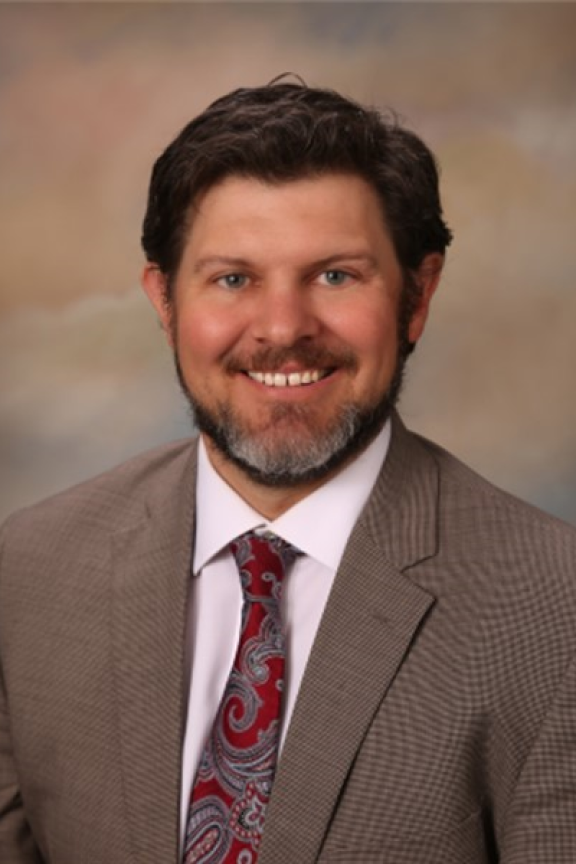
Troy Stubbs
RRepublican
Ask Maddy
·
AI policy assistant
Ask Maddy about HB 163
Scope: AL
Hi! I can help you understand HB 163. What would you like to know?
Try one of these
i
Maddy answers using official bill text and legislative records. Always verify before sharing.
Sources cited inline